
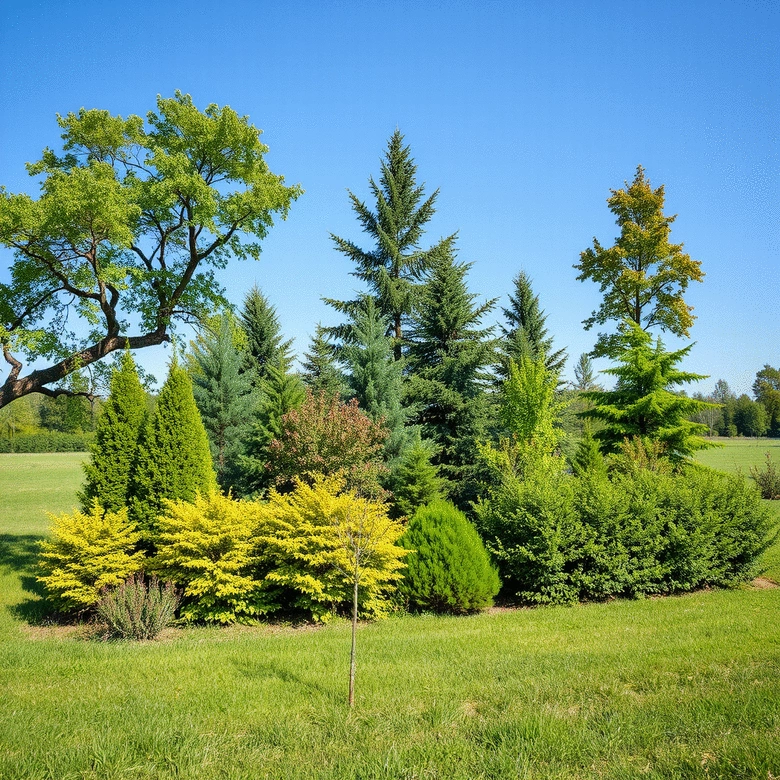
Trees and Shrubs for Windbreaks
Creating a serene outdoor space requires more than just attractive landscaping; it demands strategic planning, and one of the best methods is through the use of windbreaks. Did you know that properly designed windbreaks can enhance the health of your plants while also providing energy savings for your home?
What You Will Learn
- Windbreaks are barriers formed by trees and shrubs that protect landscapes and crops from harsh winds, promoting better growth and yields.
- Combining trees and shrubs in your windbreak design enhances its effectiveness, offering diverse benefits such as improved wind speed reduction and crop protection.
- Effective windbreaks preserve soil moisture, reducing the need for watering and contributing to energy savings by minimizing heating costs in winter.
- Biodiversity within windbreaks improves resilience against pests and creates a balanced ecosystem, enhancing overall landscape health.
- Choosing the right species—both native and non-native—tailored to your climate can maximize the benefits of your windbreaks.
- Incorporating diverse mixes of tree and shrub species can create stunning landscapes while providing essential habitat for wildlife and beneficial insects.
Benefits of Effective Windbreaks
Windbreaks made of trees and shrubs significantly enhance your outdoor space by providing shelter and improving growth conditions. Below are key benefits illustrated in a visual format. If you're looking for specific inspiration, explore our landscaping ideas for privacy screens for more design concepts.
Wind Speed Reduction
A multi-layered windbreak can effectively slow down wind speeds, creating calm zones for your plants and outdoor activities.
Enhanced Crop Protection
Different heights and densities can shield crops from windborne damage, ensuring better growth and yield.
Soil Moisture Preservation
By reducing wind exposure, windbreaks help retain moisture in the soil, essential for plant growth.
Energy Savings
Windbreaks can reduce heating costs in winter by minimizing the chilling effects of cold winds around buildings.
Understanding the Importance of Windbreaks: Trees and Shrubs
When I think about creating a comfortable outdoor space, the value of windbreaks made from trees and shrubs stands out. These living barriers play a significant role in protecting our homes, gardens, and outdoor areas from harsh winds. By understanding what windbreaks are and how they benefit us, we can make informed decisions for our landscape designs at Branch & Border.
Windbreaks, in simple terms, are rows of trees and shrubs strategically planted to reduce wind speed. They serve multiple purposes, from creating shelter for crops to enhancing the beauty of our outdoor spaces. As we explore more about windbreaks, consider how they can transform your property into a serene haven.
Defining Windbreaks and Their Purpose
Windbreaks can be defined as barriers formed by trees and shrubs that help shield areas from wind. Their primary purpose is to protect landscapes, crops, and even livestock from the damaging effects of strong winds. This protection not only enhances growth but also contributes to better yields in agricultural settings. For a deeper dive into effective choices, consider these trees for effective windbreaks.
At Branch & Border, we recognize that the right windbreak can make a significant difference in both aesthetics and functionality. Imagine walking through a space where the wind is gently deflected, creating a peaceful atmosphere that invites relaxation and enjoyment!
The Role of Shelterbelts in Agriculture and Landscaping
Shelterbelts are a specific type of windbreak that consists of multiple rows of trees and shrubs planted to protect agricultural land. They provide crucial benefits, such as reducing soil erosion, improving moisture retention, and offering shelter for wildlife. As a landscape designer, I’ve seen how incorporating shelterbelts not only enhances the beauty of a property but also promotes sustainability.
Integrating shelterbelts into your landscape can be a game-changer. They can help create a microclimate that encourages growth and productivity while adding visual interest. Think about the difference a well-placed row of trees can make—you'll be creating a lush environment that feels alive!
Benefits of Combining Trees and Shrubs for Effective Windbreaks
Combining both trees and shrubs in your windbreak design can lead to an even more effective solution. This mix enhances the overall performance of the windbreak, offering various advantages that single-species options may not provide. A diverse windbreak can tackle wind challenges while adding depth and texture to your landscape.
- Wind Speed Reduction: A multi-layered windbreak can effectively slow down wind speeds, creating calm zones for your plants and outdoor activities.
- Enhanced Crop Protection: Different heights and densities can shield crops from windborne damage, ensuring better growth and yield.
Reducing Wind Speed and Enhancing Crop Protection
The most significant benefit of combining trees and shrubs is the dramatic reduction in wind speed. As wind flows through these layered plants, it slows down, which protects delicate crops and enhances their chance of survival. This is essential for homeowners and farmers alike who strive for optimal growth.
In addition, a well-designed windbreak can significantly improve visibility and aesthetics. Imagine a beautiful line of green that not only looks good but also promotes the health of your garden or farm. It’s a win-win!
Soil Moisture Preservation and Energy Savings
Another remarkable advantage of effective windbreaks is their ability to preserve soil moisture. By reducing wind exposure, these living barriers help retain moisture in the soil, which is vital for plant growth. This factor can lead to lower watering needs, saving you both time and resources. You can also learn how windbreaks save on heating costs.
Moreover, windbreaks can contribute to energy savings by reducing heating costs in winter. By creating protected zones around buildings, they minimize the chilling effects of cold winds, leading to a more comfortable environment inside. Who doesn’t want to save on energy bills while enjoying a cozy home?
The Impact of Biodiversity on Windbreak Effectiveness
Biodiversity plays a vital role in the effectiveness of any windbreak. By incorporating a variety of species, you can enhance the resilience and adaptability of your windbreaks. This diversity not only improves the physical barrier against wind but also promotes a healthier ecosystem within your landscape.
At Branch & Border, I love to emphasize the importance of creating a space that supports both aesthetic value and ecological harmony. By choosing a mix of native and non-native plants, you can create a dynamic landscape that benefits everyone!
Enhancing Pest Management and Soil Health
Diverse windbreaks can contribute significantly to pest management and soil health. By attracting beneficial insects and creating habitats for wildlife, these barriers can naturally control pests while enriching the soil. This approach encourages a balanced ecosystem that thrives and promotes healthy growth.
Think about it: when your landscape is alive with various species, it creates a more sustainable environment. You'll not only enjoy the beauty but also feel proud of contributing to a healthier planet!
Creating Wildlife Corridors and Aesthetic Landscaping
A well-planned windbreak can serve as a corridor for wildlife, allowing birds and beneficial insects to move freely between habitats. This not only enhances biodiversity but also brings life and energy to your outdoor space. You might find yourself delighted by the sight of birds flitting among your trees and shrubs!
In addition, the aesthetic appeal of a diverse windbreak can transform an ordinary yard into a vibrant sanctuary. Selecting plants that bloom at different times and exhibit various textures can create a stunning landscape that captivates all who visit. It’s all about weaving beauty and functionality together in your outdoor environment!
Pro Tip
When planning your windbreak, consider layering your trees and shrubs. A mix of evergreens and deciduous plants will not only enhance protection against the wind but also provide visual interest throughout the seasons. For instance, evergreens like Arborvitae can offer year-round coverage, while flowering deciduous trees like Red Maple add vibrant colors in spring and fall. This layered approach creates a more resilient and aesthetically pleasing landscape!
Frequently Asked Questions About Windbreaks
Windbreaks are barriers formed by strategically planted trees and shrubs that reduce wind speed. They protect plants from harsh winds, leading to better growth, improved crop yields, and increased soil moisture retention in gardens.
Combining trees and shrubs creates a multi-layered barrier that is more effective at reducing wind speed and protecting crops than single-species windbreaks. This diversity also adds aesthetic appeal and texture to your landscape.
Yes, windbreaks can help reduce heating costs in winter by minimizing the chilling effects of cold winds around your home or other buildings, creating a more comfortable indoor environment.
Biodiversity enhances the resilience of windbreaks, improves pest management by attracting beneficial insects, enriches soil health, and creates habitats for wildlife, leading to a healthier and more balanced ecosystem.
Selecting the right species involves considering your climate and regional conditions. Native plants are often recommended due to their adaptability and lower maintenance needs, but a mix of native and non-native evergreens and deciduous varieties can offer diverse benefits.
Species Selection: Choosing the Right Trees and Shrubs
Selecting the right species of trees and shrubs for your windbreak is crucial for maximizing its effectiveness. At Branch & Border, we believe that understanding your climate and regional conditions can significantly influence your choices. The right mix can not only enhance your landscape but also provide essential protection against harsh winds.
When you're considering species, think about both native and non-native options. Native plants tend to be better adapted to local conditions, require less maintenance, and support local wildlife. Non-native species can add diversity and unique aesthetics but be cautious, as they might require more care and could potentially disrupt local ecosystems.
Recommended Species by Climate and Region
Different regions have unique climates that support various tree and shrub species. Understanding the specific needs of your area will guide you in making the best selections. Here are some recommended species tailored to different climates:
- Cold Climates: Spruce, Pine, and Juniper
- Temperate Regions: Maple, Oak, and Arborvitae
- Warm Climates: Crape Myrtle, Eastern Red Cedar, and Live Oak
Each of these species plays a unique role in creating a windbreak. For example, evergreens like the Arborvitae can effectively reduce wind speeds year-round, while deciduous trees like Maples offer beautiful foliage along with seasonal wind protection.
Native versus Non-native Species: A Comparative Overview
When deciding between native and non-native species, it's essential to weigh their benefits. Native species typically have lower water and maintenance requirements, making them cost-effective in the long run. In contrast, non-native species can introduce stunning colors and forms but may also demand more attention. To learn more about selecting appropriate plants, check out selecting plants for privacy screens.
- Benefits of Native Species:
- Lower maintenance
- Supports local wildlife
- Adapted to local soil and climate
- Benefits of Non-native Species:
- Unique aesthetics
- Potentially faster growth rates
- Wider variety of forms and colors
At Branch & Border, we always recommend considering native species first to promote a healthy, sustainable landscape that aligns with local ecosystems.
Key Species for Windbreaks: A Focus on Evergreen and Deciduous Varieties
Choosing the right species is crucial for establishing a robust windbreak. Both evergreen and deciduous trees have unique advantages that cater to different needs. Here are some of our top choices at Branch & Border:
- Evergreen Varieties:
- **Arborvitae:** Excellent for privacy and wind reduction
- **Eastern White Pine:** Tall trees that provide year-round coverage
- **Leyland Cypress:** Fast-growing and dense, perfect for quick results
- Deciduous Varieties:
- **Sugar Maple:** Beautiful fall colors and great wind protection
- **Red Oak:** Provides a sturdy barrier and supports wildlife
- **Black Cherry:** Offers aesthetic appeal and food for birds
Each of these species can be utilized effectively to create a windbreak that not only protects but also enhances the beauty of your outdoor space.
Profiles of Effective Species: Arborvitae, Juniper, and More
Let's take a closer look at a few effective species that are often recommended for windbreaks:
- Arborvitae: Known for its dense foliage, this evergreen is ideal for creating tall barriers that block wind while maintaining privacy.
- Juniper: This hardy shrub can thrive in various soils and is excellent for forming low, thick windbreaks.
- Pines: Various species of pines, such as Eastern White Pine, are robust and can grow tall, making them suitable for large windbreaks.
By incorporating these species into your landscape design, you can create effective windbreaks that provide lasting benefits!
Enhancing Biodiversity for Pest Resistance
Incorporating a mix of different species in your windbreak not only boosts aesthetic appeal but also enhances biodiversity, which can significantly improve pest resistance. A diverse planting can disrupt pest cycles and create a more balanced ecosystem. At Branch & Border, we often recommend combining various plant types to create a resilient landscape.
- Mixing Evergreens and Deciduous Trees: This diversity can attract beneficial insects and birds that help control pest populations.
- Using Companion Planting: Pairing specific plants can also deter pests naturally and promote healthy growth.
- Creating Layers: Different heights and densities can provide habitats for various wildlife species, enhancing overall biodiversity. For more ideas on effective plant combinations, see our guide on shrub combinations for garden privacy.
By planning your windbreak with diversity in mind, you can foster a healthier environment that protects not just your property but also the surrounding ecosystem.
Case Studies Highlighting Successful Species Mixes
Let’s explore a few successful examples of species mixes that have proven effective in creating windbreaks:
- Farm Case Study: A blend of Arborvitae, Red Oak, and Eastern White Pine has resulted in an effective windbreak that protects crops while providing habitat for wildlife.
- Urban Case Study: In a city park, a combination of Juniper, Sugar Maple, and Black Cherry has created a stunning landscape that offers both beauty and functional wind protection.
These case studies illustrate how thoughtful species selection can yield positive results for both aesthetics and practical benefits!
Recap of Key Points
Here is a quick recap of the important points discussed in the article:
- Definition and Purpose: Windbreaks are rows of trees and shrubs designed to reduce wind speed, protect landscapes, and enhance outdoor aesthetics.
- Shelterbelts: Multi-row windbreaks provide benefits like reducing soil erosion, improving moisture retention, and offering shelter for wildlife.
- Combining Species: Using both trees and shrubs in windbreaks enhances effectiveness by reducing wind speed, protecting crops, and contributing to better growth.
- Soil Moisture and Energy Savings: Effective windbreaks help preserve soil moisture and can lead to reduced heating costs in winter, promoting energy efficiency.
- Biodiversity Benefits: A diverse range of species improves windbreak effectiveness, pest management, and promotes a healthier ecosystem.
- Species Selection: Choosing the right native and non-native species based on regional climate is crucial for maximizing windbreak effectiveness.
- Successful Species Mixes: Case studies demonstrate that strategic combinations of different species can create effective and aesthetically pleasing windbreaks.