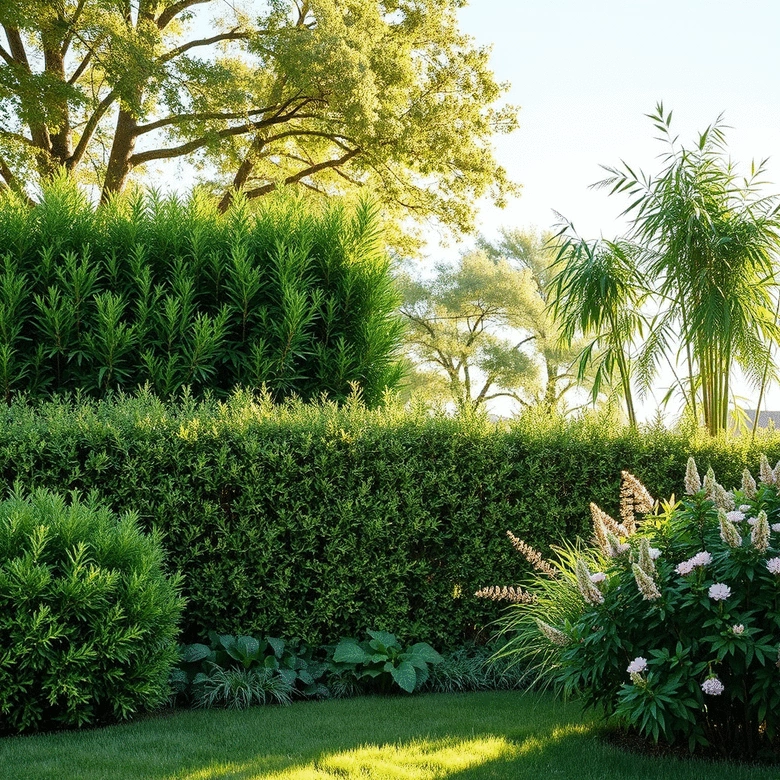
Planting Privacy Screens by Season
Did you know that the success of your planting project can hinge on the timing and choice of plants? Understanding when to plant and what to use is key to creating a thriving privacy screen in your garden. Let's explore essential insights that will help you make informed decisions for your outdoor space.
What You Will Learn
- The best planting seasons are spring after the last frost and fall before the ground freezes, ensuring healthy root growth.
- Regional climate variations, such as those in Cape Cod and Maryland, greatly affect the optimal planting times for privacy screens.
- Diversity in plant selection promotes resilience against pests and diseases, enhancing the overall health of your privacy screen.
- Understanding soil type and sunlight exposure is crucial for selecting the right plants, ensuring they thrive in your specific environment.
Optimal Planting Seasons for Privacy Screens
Understanding the best times for planting privacy screens is crucial for their establishment and success. Here’s a quick overview of optimal planting seasons. For more detailed information on selecting the right plants, check out our guide on selecting plants for privacy screens.
Spring Planting
After the last frost date, usually around April in many regions.
Fall Planting
6-8 weeks before the ground freezes, typically late September to early October.
Avoid Summer
Hot summer months can stress young plants.
Avoid Frozen Soil
Planting in frozen soil can hinder root growth.
Understanding Seasonal Timing for Planting Privacy Screens
Planting privacy screens can be a fulfilling project, but timing is everything! Understanding the right seasons helps ensure that your plants establish themselves and thrive. Generally, the best times to plant are in the spring, just after the last frost, and in the fall, just before the ground freezes. Avoid summer heat, as it can stress young plants, and don’t plant in frozen soil, as roots need the warmth to grow!
Identifying the Optimal Planting Seasons for Privacy Screens
When considering planting for privacy screens, I always suggest waiting until the spring thaw. Early spring is ideal because it gives plants a chance to settle in before the heat of summer. Similarly, fall planting is also beneficial, allowing roots to grow strong before winter. Keeping track of local frost dates can be crucial in ensuring success!
- Spring: After the last frost date, usually around April in many regions.
- Fall: 6-8 weeks before the ground freezes, typically late September to early October.
- Avoid: Hot summer months and frozen soil during winter.
By planting during these optimal windows, you set your privacy screens up for success, allowing them to flourish in their new environment. Remember, the right timing can make all the difference! For more insights into maintaining a living fence, explore our living fence care tips.
Regional Variations and Their Impact on Planting Timing
Different regions can have vastly different climates, which affect when you should plant your privacy screens. For instance, if you're in Cape Cod, August can be a great time for planting, owing to the mild summer. Conversely, if you're in Maryland, where the climate can swing from icy winters to hot summers, you'll need to be especially mindful of seasonality.
- Cape Cod: August planting works well for many varieties due to milder weather.
- Maryland: Plan for early spring or late fall to avoid temperature extremes.
- Midwestern states: Generally best to plant in May or September.
Understanding these regional nuances is vital for selecting the best planting times. At Branch & Border, I always encourage clients to consider their specific climate and adjust their planting calendars accordingly. This way, we can create beautiful and resilient outdoor spaces tailored to their unique environments!
Choosing the Right Plants for Effective Privacy Screens
Once you’ve nailed down the timing, the next step is choosing the right plants. Selecting plants that not only thrive in your climate but also provide the desired privacy is essential. It’s all about creating that perfect barrier while ensuring the plants are healthy and happy!
Pro Tip
When selecting plants for your privacy screen, consider incorporating a mix of evergreen and deciduous species. This combination not only provides year-round coverage but also adds visual interest with seasonal changes. For example, evergreens offer a consistent backdrop while deciduous plants can provide vibrant fall colors and flowers in spring, creating a dynamic and appealing landscape.
Choosing the Right Plants for Effective Privacy Screens
When it comes to creating a beautiful and functional privacy screen, the right plant selection is crucial. As someone who has spent over a decade working with trees and shrubs, I can tell you that having a diverse range of plants is essential for resilience. This diversity not only helps to ward off pests and diseases but also creates a more visually appealing landscape. Let's dive into how you can choose the best plants for your privacy screens! For ideas on landscaping, consider these landscaping ideas for privacy screens.
Diversity in Plant Selection: Mixed Plantings vs. Monoculture
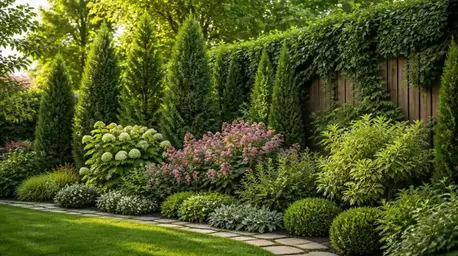
Choosing a mix of plants for your privacy screens can make a world of difference! While it might be tempting to go with a single species (known as monoculture) for uniformity, this can lead to vulnerabilities. A mixed planting approach helps ensure that if one plant faces a challenge—like a pest outbreak—others can still thrive.
- Enhanced Resilience: A variety of plants increases the chances of survival against diseases.
- Visual Interest: Different shapes, colors, and textures create a more dynamic landscape.
- Natural Habitat: Mixed plantings can attract beneficial wildlife, such as birds and pollinators.
By incorporating diverse plant species, you not only enhance the beauty of your outdoor space but also promote a healthy ecosystem. As always, I recommend evaluating your local environment and choosing species that thrive together.
Recommended Plants for Privacy Screens by Climate Zone
Finding the right plants for privacy screens can feel overwhelming, but it doesn’t have to be! Depending on your climate zone, different plants will flourish. Here’s a quick guide to help you select the best options:
| Climate Zone | Recommended Evergreens | Recommended Deciduous Plants | Native Options |
|---|---|---|---|
| Zone 5-6 | Pine, Arborvitae | Red Maple, Birch | Eastern Red Cedar |
| Zone 7-8 | Cypress, Spruce | Sweetgum, Oak | Southern Magnolia |
| Zone 9-10 | Live Oak, Loblolly Pine | Maple, Dogwood | Redbud |
These selections are not only suited to various climates but can also enhance your property’s beauty and privacy. Consider your local environment and think about plants that resonate with your personal style!
Factors Influencing Plant Selection: Soil Type and Sunlight Exposure
As you plan your privacy screen, don’t overlook the importance of soil type and sunlight exposure. Understanding these factors can lead to healthier, more vigorous plants. For example, some plants prefer well-draining soil, while others may thrive in more compact, clay-like conditions.
- Soil Type: Test your soil to determine pH and drainage capabilities.
- Sunlight Exposure: Observe how much sunlight your chosen planting area receives throughout the day.
- Watering Needs: Consider how much water the plants will need based on your climate.
By taking the time to assess these factors, you can select plants that will not only survive but thrive in your chosen environment. At Branch & Border, we emphasize this thoughtful approach to ensure your outdoor spaces are both functional and beautiful. Your landscape design should be a joy to maintain, not a chore! For more tips on enhancing your outdoor privacy, read about enhancing outdoor privacy tips.
Frequently Asked Questions (FAQs)
- When is the best time to plant a privacy screen?
The best times are early spring after the last frost and fall, about 6-8 weeks before the ground freezes. Avoid planting in hot summer months or frozen soil. - How do regional climates affect planting times?
Regional variations significantly impact optimal planting times. For example, Cape Cod might find August suitable, while Maryland requires early spring or late fall planting to avoid extreme temperatures. - Why is diversity important in plant selection for privacy screens?
Mixed plantings enhance resilience against pests and diseases, provide visual interest with varying shapes, colors, and textures, and can attract beneficial wildlife, creating a healthier ecosystem. - What factors should I consider when choosing plants for my privacy screen?
Key factors include soil type (pH and drainage), sunlight exposure throughout the day, and the watering needs of the plants based on your climate. - Can I use a single species for my privacy screen?
While possible, it's generally not recommended. Monoculture can lead to vulnerabilities, making your entire screen susceptible to a single pest or disease outbreak. Mixed plantings offer better resilience and visual appeal.
Recap of Key Points
Here is a quick recap of the important points discussed in the article:
- Optimal Planting Seasons: Plant in early spring after the last frost or in fall, 6-8 weeks before the ground freezes.
- Avoid Extreme Conditions: Steer clear of planting during hot summer months or in frozen soil.
- Regional Considerations: Tailor planting times based on your local climate, e.g., Cape Cod can plant in August, while Maryland should stick to spring or fall.
- Diverse Plant Selection: Use a mix of plants instead of a single species to enhance resilience and visual appeal.
- Climate Zone Awareness: Select plants suited to your climate zone for optimal growth and privacy.
- Soil and Sunlight Assessment: Test soil type and monitor sunlight exposure to choose appropriate plants for your landscape.