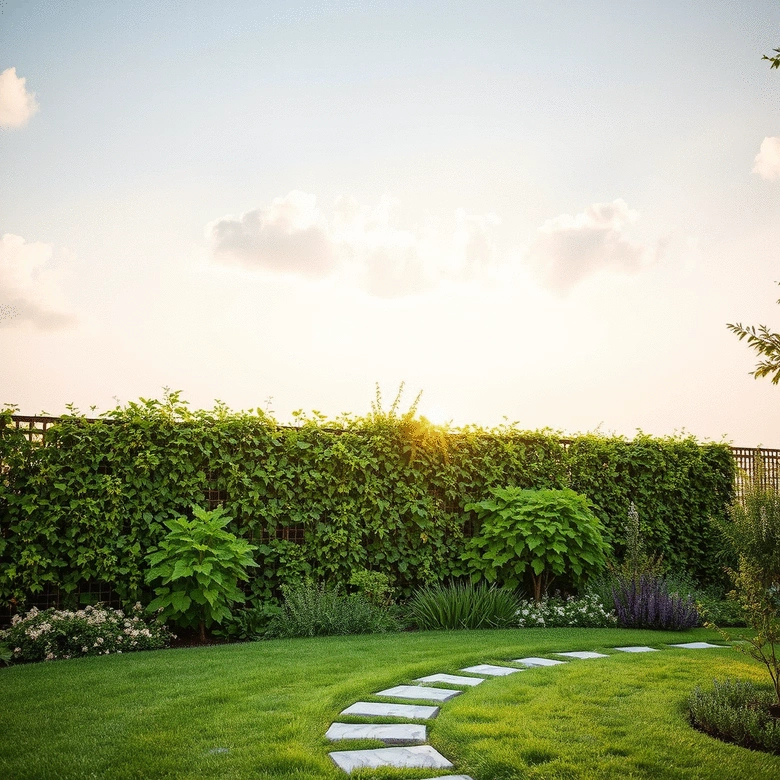
Living Fences for Sustainable Landscapes
Did you know that living fences not only enhance the beauty of your landscape but also contribute significantly to the environment? These green barriers are becoming increasingly popular as sustainable landscaping solutions. Let's explore the key takeaways from understanding living fences and their multifaceted benefits.
What You Will Learn
- Living fences provide a natural, eco-friendly alternative to traditional fencing, enhancing biodiversity and supporting local wildlife.
- Native plants are essential in creating resilient living fences that require less maintenance and are better suited to local ecosystems.
- Incorporating living fences into your landscaping helps improve air quality, reduce waste, and promote sustainable practices.
- Living fences can seamlessly integrate with other sustainable techniques like rain gardens and pollinator gardens, creating a cohesive ecosystem.
- Community gardening benefits from living fences by providing boundary definition, noise reduction, and educational opportunities about sustainability.
- Workshops and community engagement are effective strategies for encouraging the adoption of living fences in neighborhoods.
Benefits of Living Fences
Living fences offer numerous advantages for sustainable landscaping, enhancing both functionality and aesthetics. Below are the key benefits outlined for better understanding:
Reduce Waste
Living fences eliminate the need for traditional fencing materials that often end up in landfills.
Enhance Biodiversity
They offer habitats for birds, insects, and other wildlife, promoting a diverse ecosystem.
Improve Air Quality
Plants naturally filter pollutants, making the air around your home cleaner and fresher.
Provide Privacy
Living fences can create a natural barrier that enhances privacy in your outdoor space.
Understanding Sustainable Landscaping with Living Fences
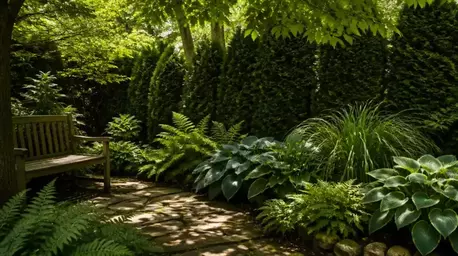
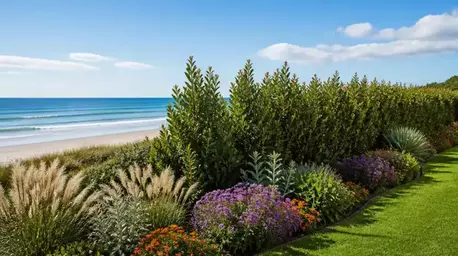
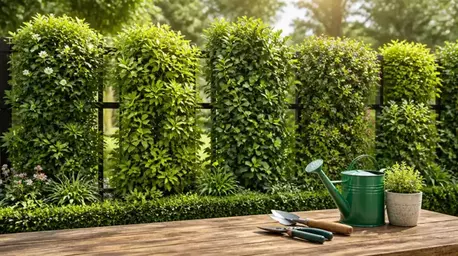
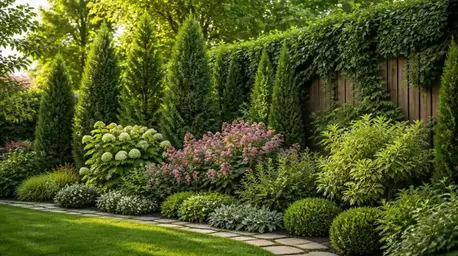
At Branch & Border, we embrace the beauty and functionality that living fences bring to sustainable landscaping. But what exactly is a living fence? In simple terms, a living fence is created using trees and shrubs planted closely together to form a natural barrier. These green walls serve not only as protective boundaries but also as vibrant ecosystems, enhancing the overall aesthetics of your outdoor space. For more creative ideas, explore living fence ideas for small gardens.
Living fences play a crucial role in sustainable landscaping by providing environmentally friendly alternatives to traditional fences. They contribute to biodiversity, improve air quality, and support local wildlife, making them a staple in our landscape designs. By integrating living fences into your property, you're not just enclosing a space; you're nurturing a thriving ecosystem!
Defining Living Fences
Living fences are more than just a pretty sight! They consist of various plant species, chosen for their hardiness and growth patterns, that work together to create a lush barrier. When planning your living fence, consider the size of the plants, their growth rate, and how they interact with each other in your specific environment.
These natural fences can be designed to suit various aesthetic preferences and functional needs. Whether you seek a rustic, wild look or a more structured, modern appearance, living fences are versatile enough to meet your vision. They can also provide essential benefits like shade, wind protection, and privacy.
The Importance of Eco-Friendly Fencing Solutions
In today's world, there's a growing movement towards eco-friendly alternatives for all aspects of our lives, including landscaping. Living fences are a perfect example of this shift, as they offer an opportunity to reduce our carbon footprint while beautifying our surroundings. By choosing plants over plastic or metal, we not only enhance our homes but also contribute positively to the environment. To learn more about selecting the right plants, read about best plants for living fences.
- Reduce Waste: Living fences eliminate the need for traditional fencing materials that often end up in landfills.
- Enhance Biodiversity: They offer habitats for birds, insects, and other wildlife, promoting a diverse ecosystem.
- Improve Air Quality: Plants naturally filter pollutants, making the air around your home cleaner and fresher.
At Branch & Border, we believe that every small step counts! By incorporating living fences into your landscaping, you're actively participating in a movement toward more sustainable and harmonious outdoor environments. These green barriers not only beautify your property but also serve as a testament to your commitment to eco-friendliness.
Native Plants in Living Fences
One of the most effective ways to ensure a successful living fence is by using native plants. These plants are well-adapted to local climate conditions and soil types, making them more resilient and easier to care for. By selecting native species, you can create a thriving living fence that requires less maintenance and is better suited to support local wildlife. For more information, check out native plants for living fences.
- Resilience: Native plants are naturally equipped to handle local pests and diseases.
- Water Efficiency: They typically require less water compared to non-native species, making them sustainable.
- Habitat Creation: Native plants provide food and shelter for local fauna, enhancing biodiversity.
By choosing native plants for your living fence, you're not just beautifying your space; you're actively contributing to the preservation of your local ecosystem. At Branch & Border, we love helping clients select the perfect native species to create stunning and sustainable living fences that enhance the beauty of their homes while fostering a connection to nature.
Exploring the Multifaceted Benefits of Living Fences
Living fences offer a plethora of benefits that go beyond aesthetics. From improving property value to enhancing soil health, these green barriers are a smart investment for any homeowner. Let’s dive deeper into the unique advantages that living fences bring!
Quick Summary
Here's a brief recap of the key points discussed so far:
- Definition: Living fences consist of closely planted trees and shrubs, serving as natural barriers that enhance aesthetics and biodiversity.
- Environmental Impact: They provide eco-friendly alternatives to traditional fencing, reduce waste, and improve air quality.
- Native Plants: Utilizing native species ensures resilience and supports local wildlife, making them ideal for living fences.
- Community Benefits: Living fences foster community connections and enhance shared garden spaces, promoting education and wildlife habitats.
Frequently Asked Questions About Living Fences
What is a living fence?
A living fence is a natural barrier created by planting trees and shrubs closely together. It serves as an eco-friendly alternative to traditional fences, offering aesthetic appeal, privacy, and environmental benefits.
What are the main benefits of living fences?
Living fences reduce waste by replacing artificial materials, enhance biodiversity by providing habitats for wildlife, improve air quality by filtering pollutants, and offer natural privacy and sound reduction for your space.
Why are native plants recommended for living fences?
Native plants are ideal because they are well-adapted to local climate conditions and soil types, making them more resilient, requiring less water and maintenance, and better supporting local wildlife and ecosystems.
How do living fences contribute to sustainable landscaping?
By integrating living fences, you promote sustainable practices such as reducing carbon footprint, fostering biodiversity, and improving air quality. They can also be combined with other eco-friendly elements like rain gardens and pollinator gardens.
Can living fences be used in community gardens?
Yes, living fences are beneficial for community gardens as they help define boundaries, reduce noise, create wildlife habitats, and provide educational opportunities about sustainable practices for community members.
Bringing It All Together: The Future of Sustainable Landscaping
As we look towards the future of sustainable landscaping, it's clear that living fences will play a vital role. They are not just beautiful; they can complement other eco-friendly practices to create a harmonious outdoor environment. Imagine how a living fence can seamlessly integrate with rain gardens and pollinator gardens, creating a cohesive ecosystem right in your backyard!
By selecting plants for your living fence that support local wildlife, you can enhance the health of your entire garden. Combining these elements not only improves aesthetics but also promotes biodiversity. This interconnected approach is essential for nurturing our environment and can inspire others to think sustainably.
Integrating Living Fences with Other Sustainable Practices
Living fences can serve as a foundation for various sustainable landscaping techniques. Here are some ways to integrate them:
- Rain Gardens: Position your living fence to redirect water into a rain garden, helping with drainage and reducing runoff.
- Pollinator Gardens: Plant flowering species alongside your living fence to attract bees and butterflies, vital for pollination.
- Native Plant Buffers: Surround your living fence with native plants that support local ecosystems and provide additional habitat.
- Composting Areas: Use the living fence to create a microclimate ideal for composting, helping to recycle nutrients in your garden.
At Branch & Border, I love seeing how these elements come together to form a thriving landscape. It’s about creating synergy in your garden that benefits both your property and the planet!
Community Gardening and Living Fences
Living fences also play a transformative role in community gardening. They can provide essential features that enhance shared garden spaces. Here’s how:
- Boundary Definition: Living fences can help mark garden boundaries while maintaining an inviting atmosphere.
- Noise Reduction: They act as natural sound barriers, making community spaces more pleasant.
- Wildlife Habitat: Encourage local wildlife to thrive, contributing to a healthy ecosystem.
- Education: Living fences offer a hands-on learning opportunity for community members, especially kids, about sustainable practices.
When communities embrace living fences in their gardens, they enhance the local ecosystem and build connections among neighbors. It's a win-win for both people and nature!
Encouraging Community Adoption of Living Fences
To promote the use of living fences in neighborhoods, we can take several steps. Here are some strategies:
- Workshops: Organize community workshops to teach residents about the benefits and maintenance of living fences.
- Incentives: Collaborate with local governments to provide incentives for installing living fences.
- Showcase Projects: Create demonstration gardens that highlight successful living fence installations.
- Social Media Campaigns: Use platforms to share success stories and tips on implementing living fences.
By sharing knowledge and resources, we can inspire more people to embrace sustainable landscaping solutions like living fences. Together, we can cultivate a greener future!
Taking the Next Steps Towards Your Sustainable Landscape
Key Takeaways on Living Fences
Living fences are an incredible addition to any landscape, offering numerous benefits from enhanced privacy to improved aesthetics. They support biodiversity and integrate beautifully with other sustainable practices. If you're considering a living fence, remember to think about your local environment, choose plants wisely, and create a space that is both functional and visually appealing. For tips on managing your living fence, consider these living fence care tips.
At Branch & Border, I believe that every garden can be a reflection of nature's beauty while serving practical purposes. Embracing living fences is just one step towards creating a sustainable landscape that benefits both you and the environment. Ready to start your journey?
Contact Information and Resources for Further Learning
If you're excited about the idea of living fences and want to learn more, feel free to reach out! Here are some great resources to kickstart your journey:
- Books on Sustainable Landscaping: Explore titles that cover living fences and their benefits.
- Local Nurseries: Consult with local experts who can advise on native plants suitable for your area.
- Online Workshops: Sign up for webinars that focus on sustainable gardening techniques.
- Branch & Border Blog: Stay tuned for more insights and tips on transforming your outdoor space!
Let’s work together to make our outdoor spaces not just beautiful but sustainable! I can't wait to see what you create! 🌿
Recap of Key Points
Here is a quick recap of the important points discussed in the article:
- Definition of Living Fences: Living fences are created using closely planted trees and shrubs that form natural barriers, enhancing both aesthetics and functionality in landscaping.
- Environmental Benefits: They contribute to biodiversity, improve air quality, and reduce waste by eliminating the need for traditional fencing materials.
- Use of Native Plants: Selecting native plants for living fences ensures resilience, water efficiency, and habitat creation for local wildlife.
- Integration with Sustainable Practices: Living fences can be integrated with rain gardens, pollinator gardens, and composting areas to create a cohesive ecosystem.
- Community Engagement: Living fences enhance community gardens by providing boundary definition, noise reduction, and educational opportunities.
- Encouraging Adoption: Workshops, incentives, and social media campaigns can help promote the use of living fences in neighborhoods.