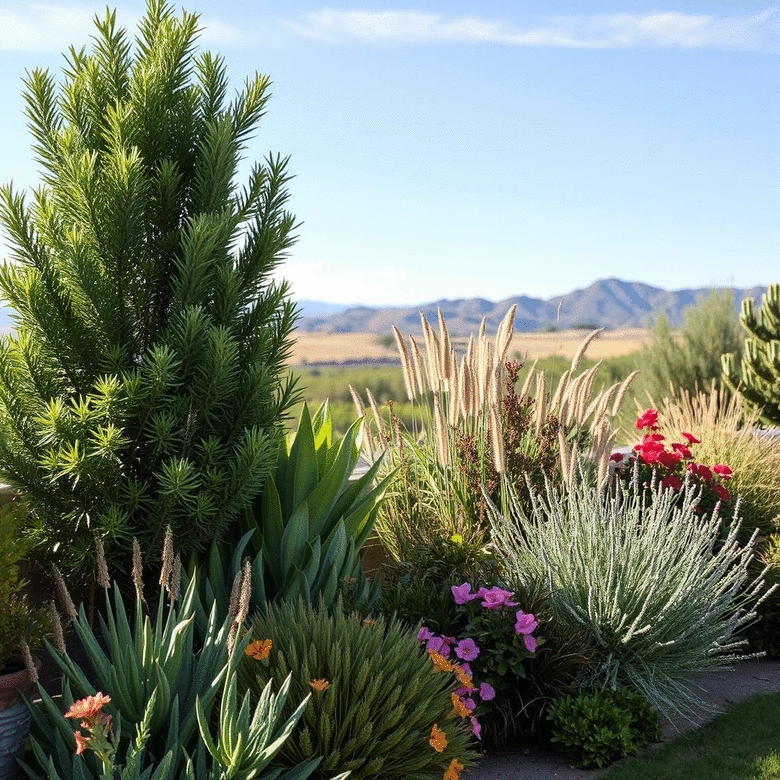
Drought-Resistant Plants for Living Fences
In an era where water conservation is paramount, the shift towards drought-resistant plants is not just a trend but a necessity for sustainable gardening. These plants can revitalize outdoor spaces while being environmentally responsible. Are you ready to embrace a greener future with your living fence?
What You Will Learn
- Water Conservation: Discover how drought-resistant plants can significantly reduce water usage and save on irrigation costs.
- Low Maintenance: Learn why these plants require less upkeep compared to traditional species, making your gardening efforts easier.
- Environmental Benefits: Understand how choosing native, drought-resistant plants supports local wildlife and promotes biodiversity.
- Living Fence Benefits: Explore the multifaceted advantages of living fences, including privacy, aesthetic appeal, and environmental contributions.
- Cost Estimates: Get insights on budgeting for your living fence project, including plant costs and potential labor expenses.
- Practical Planting Tips: Follow a step-by-step guide to effectively plant and care for your drought-tolerant privacy hedge.
Benefits of Drought-Resistant Plants for Living Fences
Drought-resistant plants offer several advantages, making them an ideal choice for creating living fences. They provide privacy benefits while being environmentally conscious. Below is a visual representation of their key benefits and cost considerations.
Water Conservation
Less need for irrigation, saving you money.
Low Maintenance
They generally require less care than traditional plants.
Environmental Benefits
Supports local wildlife and reduces carbon footprint.
Cost Estimates for Building a Living Fence
Materials: $50 to $200, Plants: $10 to $30 each, Labor: $50 to $100 per hour.
Understanding Drought-Resistant Plants for Living Fences
When thinking about enhancing your outdoor space, selecting the right plants is vital—especially in today's world where water conservation is crucial. That's why I emphasize using drought-resistant plants for creating living fences. These plants not only thrive with minimal water but also contribute to sustainable gardening practices that respect our environment.
Drought-resistant plants are perfect for reducing water consumption, making them an excellent choice for homeowners in areas prone to dry spells. As a landscape designer at Branch & Border, I’ve witnessed how these plants can transform a yard while promoting efficient water usage. Imagine a vibrant living fence that not only looks good but also helps conserve our precious resources!
Importance of Choosing Drought-Resistant Plants
Choosing drought-resistant plants goes beyond just saving water; it’s about building resilient gardens that adapt to changing climates. By selecting these varieties, you are less likely to face challenges during hot, dry weather. Plus, many drought-resistant plants are native species, which means they can better support local wildlife and ecosystems, just like with native plants for living fences.
- Water Conservation: Less need for irrigation, saving you money.
- Low Maintenance: They generally require less care than traditional plants.
- Environmental Benefits: Supports local wildlife and reduces carbon footprint.
These benefits align perfectly with our mission at Branch & Border to create sustainable and functional outdoor spaces. Let’s dive deeper into what a living fence is and how it can enhance your property.
Defining a Living Fence: What Is It?
A living fence is a natural boundary created by strategically planting trees and shrubs. Unlike traditional fences, living fences provide not only privacy but also beauty and environmental benefits. They can act as effective windbreaks and noise buffers, transforming your outdoor space into a serene retreat.
Living fences are versatile and can be tailored to suit your specific needs. For example, you might want a lush, dense barrier for privacy or a more open design that allows light and air to flow through. Here are some common uses for living fences:
- Privacy Screens: Block out neighbors and enjoy your space more.
- Windbreaks: Protect your yard from harsh winds.
- Aesthetic Appeal: Enhance the beauty of your landscaping.
In my experience, incorporating living fences can turn a simple yard into a vibrant ecosystem filled with life. This not only enhances the beauty of your home but also supports local wildlife and contributes to biodiversity. Now, let’s explore some of the top drought-resistant plants ideal for creating these living fences!
Top Drought-Resistant Plants Ideal for Living Fences
Choosing the right plants for your living fence can make all the difference, especially when it comes to drought resistance. Below, I’ve highlighted some fantastic options that will thrive in various conditions while fulfilling your design goals. Each of these plants can create a stunning backdrop, ensuring that your living fence is as beautiful as it is functional!
Pro Tip
Did you know? Incorporating companion planting can enhance the effectiveness of your drought-resistant living fence! For instance, pairing flowering plants with your shrubs can attract pollinators, improve soil health, and even deter pests. This not only boosts biodiversity but also ensures that your living fence remains vibrant and thriving over time.
Engaging FAQs About Drought-Resistant Living Fences
Frequently Asked Questions About Drought-Resistant Living Fences
- What are the primary benefits of using drought-resistant plants for a living fence?
- The primary benefits include significant water conservation, lower maintenance requirements compared to traditional plants, and positive environmental impacts such as supporting local wildlife and reducing your carbon footprint. These plants are also more resilient to dry conditions.
- How does a living fence differ from a traditional fence?
- Unlike traditional fences made of wood, metal, or other materials, a living fence is created from strategically planted trees and shrubs. It offers aesthetic appeal, environmental benefits, acts as a windbreak, and provides privacy, all while being a living, growing part of your landscape.
- What should I consider when choosing drought-resistant plants for my living fence?
- When choosing plants, consider your climate, desired aesthetic, the mature size of the plants, and their specific needs. It's also beneficial to select native species as they are often best suited to local conditions and support regional ecosystems. Ensure they align with your goals for privacy, wind protection, or visual appeal.
- What are the typical costs associated with building a living fence?
- Costs can vary, but generally include $50-$200 for materials like soil amendments and mulch, $10-$30 per plant (depending on type and size), and $50-$100 per hour for professional labor if you choose not to DIY. Investing in quality plants can lead to better establishment and less long-term maintenance.
- What are some key steps for planting a drought-tolerant privacy hedge?
- Key steps include selecting appropriate drought-resistant plants, preparing well-draining soil (amending with compost if necessary), ensuring proper spacing based on mature plant size, planting carefully by digging wide holes and backfilling, and deep watering initially, followed by weekly watering until established. Patience during the establishment phase is crucial for a successful hedge.
How to Plant a Drought-Tolerant Privacy Hedge
Planting a drought-tolerant privacy hedge is simpler than you might think! Here’s a step-by-step guide to help you create a lush, green barrier that conserves water:
- Choose Your Plants: Select drought-resistant plants that suit your climate and aesthetic preferences. Popular choices include selecting plants for privacy screens.
- Soil Preparation: Ensure your soil is well-draining. You can amend the soil with compost to enhance its structure and nutrients.
- Spacing: Position your plants according to their mature size. A good rule of thumb is to space them 2 to 4 feet apart, depending on the species.
- Planting: Dig holes that are twice the width of the root ball but not too deep. Place the plants in the holes and backfill with soil, ensuring the root collar is level with the ground.
- Watering: Water thoroughly after planting and continue with deep watering once a week until the plants are established.
Remember, patience is key! Watching your living fence grow over time will be rewarding. I often remind my clients at Branch & Border that a little care during the establishment phase leads to a thriving, sustainable hedge.
What Are the Cost Estimates for Building a Living Fence?
When considering the costs associated with building a living fence, it's essential to account for several factors. Here’s a breakdown of what to expect:
- Materials: Prices for soil amendments, mulch, and plant supports can range from $50 to $200, depending on the size of your project.
- Plants: Drought-resistant plants usually cost between $10 and $30 each. The total cost will depend on how many you need and the size of the plants.
- Labor: If you’re hiring a professional, expect to pay between $50 and $100 per hour. However, a DIY approach can save you money!
In my experience, investing in quality plants pays off in the long run, as they establish faster and require less maintenance. Just think about how beautiful your property will look with a thriving living fence!
Conclusion and Practical Tips for Implementing Living Fences
Summing Up the Benefits of Drought-Resistant Living Fences
As we’ve explored, using drought-resistant plants for your living fence not only promotes sustainability but also reduces ongoing maintenance needs. These plants are resilient and will thrive in various conditions while providing privacy, beauty, and even a source of food, depending on your choices! At Branch & Border, we truly believe in the power of nature to enhance your outdoor spaces, offering great living fence ideas.
Encouraging Action: Start Your Living Fence Project Today
Are you ready to transform your outdoor space with a living fence? Take the first step today! Gather your ideas, draw up a plan, and research plants that resonate with your vision. Remember, I’m here to help guide you through the process, so feel free to reach out. Let’s create a thriving, beautiful environment together!
Recap of Key Points
Here is a quick recap of the important points discussed in the article:
- Drought-Resistant Plants: Ideal for creating living fences that conserve water and require less maintenance.
- Environmental Benefits: Supports local wildlife and ecosystems while reducing your carbon footprint.
- Versatile Uses: Living fences can serve as privacy screens, windbreaks, and enhance the aesthetic appeal of your yard.
- Planting Guidelines: Proper soil preparation, spacing, and watering are crucial for establishing a successful living fence.
- Cost Considerations: Budget for plants, soil amendments, and potential labor if hiring professionals.
- Long-Term Rewards: Investing in quality drought-resistant plants leads to a thriving, sustainable hedge that enhances your property.