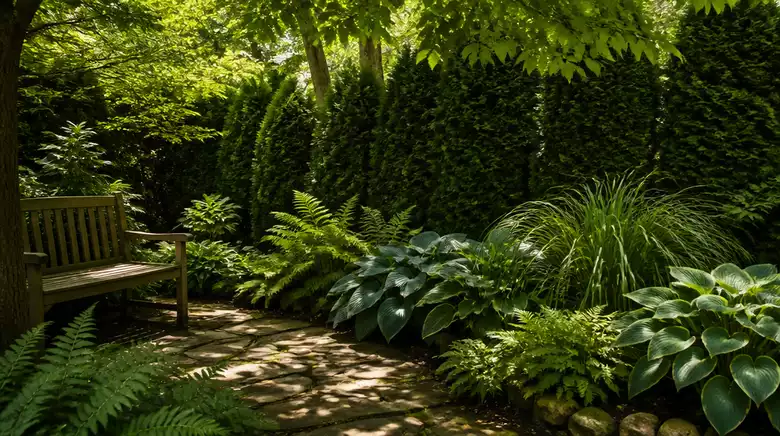
Shade-Loving Privacy Plants Guide
Creating a tranquil oasis in your backyard isn't just a dream; it's a possibility that can be achieved with the right knowledge and tools. Privacy plants serve not only as natural barriers but also enhance the beauty of your outdoor space. Let's dive into the essential points that will help you turn your yard into a serene getaway.
What You Will Learn
- The importance of privacy plants in creating a peaceful and cozy outdoor space for relaxation and socializing.
- Key strategies for selecting and arranging plants to maximize privacy while enhancing your garden's aesthetic appeal.
- How to identify your yard's sun exposure to choose the right plants that thrive in specific lighting conditions.
- Essential maintenance tips to keep your privacy plants healthy, including pruning techniques and seasonal care guidelines.
- Common mistakes to avoid when caring for privacy plants, ensuring they flourish and maintain their protective qualities.
- A variety of plant options suitable for shade, including evergreens and unique low-maintenance choices for year-round privacy.
Understanding Shade Conditions for Privacy Plants
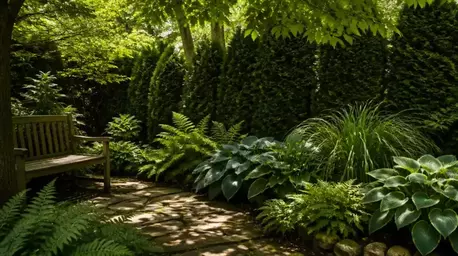
This visual illustrates the differences between full shade and partial shade conditions, essential for selecting the right privacy plants for your outdoor space. For more detailed information, consider exploring resources on selecting plants for privacy screens.
Full Shade
Areas that receive less than three hours of direct sunlight per day.
- Best for shade-tolerant plants.
- Creates a cool environment.
- Reduces the number of plant options.
Partial Shade
Areas that receive three to six hours of direct sunlight daily.
- Allows for a wider variety of plants.
- Promotes healthier growth with adequate light.
- Can support flowering plants with moderate sunlight.
Understanding the Role of Privacy Plants in Shade
The outdoor spaces we create in our backyards are often essential for our relaxation and enjoyment. Privacy plants play a significant role in achieving a sense of seclusion and tranquility. At Branch & Border, we believe that using the right plants can transform your yard into a personal sanctuary, where you can unwind away from the hustle and bustle of everyday life.
Imagine sipping your morning coffee surrounded by a lush, green wall that not only protects you from prying eyes but also enhances the beauty of your garden. This vision is attainable with the strategic use of privacy plants. They define boundaries while adding layers of texture and color to your landscape, making it feel complete.
The Importance of Privacy in Outdoor Spaces
When designing your backyard, privacy is more than just a luxury; it's a necessity. We all want a space to retreat to, where we can enjoy outdoor activities without feeling exposed. By incorporating privacy plants into your garden design, you can create a cozy atmosphere that invites relaxation and fosters meaningful connections with friends and family. This can be achieved through various methods, including the strategic use of living fences for privacy benefits.
Additionally, privacy plants can serve multiple purposes. Not only do they provide visual screening, but they also reduce noise from nearby roads or neighbors. They can act as windbreaks, helping to create a more comfortable outdoor environment. The benefits are numerous, making them an invaluable addition to any landscape.
Creating Secluded Areas in Your Backyard
To create those serene, secluded areas, consider the following tips:
- Choose the right plants that fit your yard's light conditions.
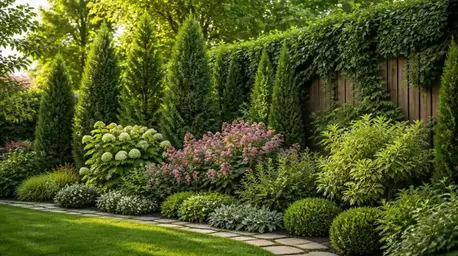
- Layer your plants for depth, combining taller shrubs with shorter ones.
- Utilize natural shapes and curves to soften the boundaries.
- Incorporate seating areas surrounded by plants for a cozy feel.
These strategies can help you craft intimate nooks within your yard that feel welcoming and private. Don't be afraid to experiment with different combinations of plants and layouts until you find the perfect fit!
Benefits of Using Plants for Privacy
Using plants for privacy offers a range of advantages:
- Natural Beauty: Plants add vibrant colors and textures to your landscape.
- Environmental Benefits: They improve air quality and provide habitat for wildlife.
- Sustainability: Unlike fences, living plants are renewable and can adapt over time.
- Noise Reduction: Dense plantings can significantly lower noise pollution.
At Branch & Border, we aim to show you how these benefits can enhance your outdoor living experience. From the calming sounds of rustling leaves to the delightful fragrances of blooming flowers, the right privacy plants can turn your yard into a peaceful hideaway.
Defining Shade Conditions for Plants
Before choosing the right privacy plants, it's essential to understand the shade conditions in your yard. Different plants require varying amounts of light, and knowing your yard's sun exposure will help you make informed decisions. This way, you can ensure that your chosen plants thrive while providing the privacy you desire. For further reading, consider our guide on trees for small yard privacy.
There are two primary categories to consider: full shade and partial shade. Full shade refers to areas that receive little to no direct sunlight, while partial shade gets a few hours of sun daily. Identifying these conditions will guide you in selecting the best options for your space.
Full Shade vs. Partial Shade: What's the Difference?
Understanding the distinction between full shade and partial shade is crucial:
- Full Shade: Areas that receive less than three hours of direct sunlight per day.
- Partial Shade: Areas that receive three to six hours of direct sunlight daily.
Different plants will thrive in these varying conditions, so it's important to assess your yard carefully to ensure you're making the best choices!
Identifying Your Yard's Sun Exposure
To figure out your yard's sun exposure, consider these steps:
- Observe your yard throughout the day and take note of sun patterns.
- Check for tall buildings or trees that may create shadows.
- Use a sunlight meter or smartphone app for more accurate readings.
This information will help you select privacy plants that not only meet your aesthetic desires but also thrive in your yard's unique conditions.
Pro Tip
Did you know? Selecting native plants for privacy not only enhances your landscape but also supports local wildlife. Native species are adapted to your region's conditions, making them easier to maintain and more resilient against pests and diseases. Consider incorporating native plants into your privacy design for a sustainable and beautiful outdoor space!
Maintaining Your Privacy Plants for Optimal Growth
To get the most out of your privacy plants, proper maintenance is key. Just like us, plants need a little care to thrive! At Branch & Border, I often tell my clients that regular attention can lead to a lush, vibrant outdoor space that provides the privacy and beauty they desire. This section will cover some essential tips for keeping your shade-loving plants healthy and happy.
Pruning and Care Tips for Shade Plants
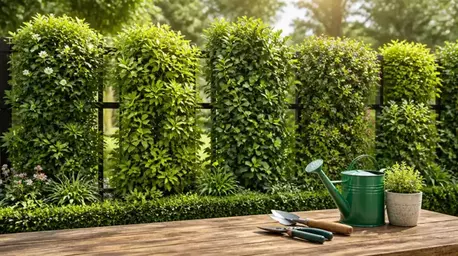
Pruning is an essential part of plant care that helps maintain shape and encourages growth. You can follow these tips to keep your shade plants looking their best:
- Timing is Everything: Prune in early spring before new growth begins for most shrubs.
- Use the Right Tools: Sharp shears or pruning saws will create clean cuts and minimize damage.
- Shape Wisely: Aim for a natural shape that enhances your plant's growth without over-trimming.
Additionally, regular watering is crucial, especially during dry spells. Plants in shaded areas may require less water, but it's essential to monitor soil moisture. Remember, a well-hydrated plant is a happy plant!
Common Maintenance Mistakes to Avoid
While taking care of your plants, it's easy to make some common mistakes that can hinder their growth. Here are a few to watch out for:
- Overwatering: Too much water can lead to root rot, especially in shade plants.
- Ignoring Pests: Keep an eye out for signs of pests and take action promptly.
- Neglecting Fertilizer: Use a balanced fertilizer during the growing season to provide essential nutrients.
By avoiding these pitfalls, you can help your plants flourish! At Branch & Border, I always emphasize the importance of observing your plants regularly to catch any issues early on.
Seasonal Care for Year-Round Privacy
Your privacy plants will benefit from seasonal care to keep them thriving throughout the year. Here are some seasonal tips to help guide you:
- Spring: Apply fertilizer and prune to encourage fresh growth.
- Summer: Monitor for pests and ensure adequate watering during dry spells.
- Fall: Prepare for winter by mulching and removing any dead leaves or debris.
- Winter: Protect sensitive plants from frost and check for any damage caused by snow or ice.
By following these seasonal care tips, you're setting your plants up for success! A little effort during each season goes a long way toward maintaining the privacy and beauty of your outdoor space. For more comprehensive guidance on year-round care, see our article on living fence care tips.
Managing Ferns and Other Ground Covers
Ferns and ground covers can add texture and depth to your shaded areas. Here's how to care for them effectively:
- Monitor Growth: Keep an eye on how quickly they spread and adjust spacing if they become overcrowded.
- Water Wisely: Most ferns prefer consistently moist soil but avoid waterlogging.
- Trim Regularly: Remove any dead or yellowing fronds to encourage new growth.
Caring for these plants can enhance the overall privacy structure in your garden while adding beautiful greenery!
Seasonal Insights on Hellebores and Bleeding Hearts
Plants like Hellebores and Bleeding Hearts offer stunning blooms in shaded areas. Here are some care tips:
- Spring: Clean up old leaves to make room for new growth.
- Summer: Keep the soil moist but avoid direct watering on the blooms.
- Fall: Fertilize lightly to prepare them for the colder months.
- Winter: Mulch around the base to protect the roots from freezing temperatures.
By following these insights, you'll enjoy the beauty of Hellebores and Bleeding Hearts while ensuring they offer the privacy you desire!
Final Thoughts on Privacy Plants for Shaded Areas
Choosing the right privacy plants for shaded areas can transform your outdoor space into a serene oasis. With the right care, your plants will not only provide privacy but also enhance the beauty of your landscape. Remember, at Branch & Border, we're here to help you every step of the way in creating a lush and inviting environment!
Recap of Key Plant Options for Shade
As you consider your plant options, keep in mind:
- Evergreens like Yew and Boxwood for year-round coverage.
- Deciduous plants such as Hydrangeas for seasonal color.
- Unique options like Aucuba for low-maintenance beauty.
By selecting the right mix, you can achieve a private retreat that feels like an extension of your home!
Encouraging Engagement and Sharing Your Experiences
I invite you to share your own experiences with privacy plants and the transformations you've made to your outdoor spaces! What plants have worked for you? Engaging with our community helps us all learn and grow together.
Invite Readers to Share Their Success Stories
Feel free to drop a comment below and let us know how your privacy plants have thrived! Your stories inspire others to create beautiful, private outdoor areas.
FAQs: Addressing Common Queries About Shade Privacy Plants
If you have questions about specific plants or care tips, don’t hesitate to ask! At Branch & Border, I'm dedicated to providing answers and helping you achieve your dream landscape. Together, we can explore the possibilities of creating your ideal shaded retreat!
Frequently Asked Questions
- What is the main benefit of using privacy plants in a backyard?
- Privacy plants create a sense of seclusion and tranquility, offering a personal sanctuary away from external disturbances. They also enhance the aesthetic appeal of your garden, provide noise reduction, and act as windbreaks.
- How do I determine if my yard has full shade or partial shade?
- Full shade areas receive less than three hours of direct sunlight daily, while partial shade areas receive three to six hours. Observe your yard throughout the day, note sun patterns, and check for shadows from buildings or trees. You can also use a sunlight meter for accuracy.
- What are some common mistakes to avoid when caring for privacy plants?
- Common mistakes include overwatering (which can lead to root rot), ignoring pests, and neglecting to fertilize during the growing season. Regular observation and timely intervention are crucial for healthy plants.
- Are native plants a good choice for privacy?
- Yes, native plants are an excellent choice for privacy. They are adapted to your region's conditions, making them easier to maintain, more resilient against pests and diseases, and supportive of local wildlife.
- How often should I prune shade plants?
- For most shrubs, it's best to prune in early spring before new growth begins. Regular, mindful pruning helps maintain shape, encourages healthy growth, and keeps your plants looking their best without over-trimming.
Recap of Key Points
Here is a quick recap of the important points discussed in the article:
- Privacy plants are essential for creating secluded, tranquil outdoor spaces that enhance relaxation.
- Choosing the right plants based on your yard's light conditions (full shade vs. partial shade) is crucial for optimal growth.
- Incorporate plants that serve multiple purposes, such as noise reduction and windbreaks, while adding beauty to your landscape.
- Regular maintenance, including proper pruning and seasonal care, is vital for keeping privacy plants healthy and vibrant.
- Avoid common mistakes like overwatering and neglecting pests to ensure your plants flourish.