Cost-Effectiveness
Layered planting can be more cost-effective over time compared to the installation of solid fencing.
What if the secret to a peaceful backyard lies not in the walls of a fence, but in the vibrant layers of nature? Layered planting is a transformative technique that enhances privacy while creating a beautiful outdoor sanctuary. Discover the art and science behind it!
Layered planting offers multiple advantages over traditional fencing solutions for enhancing outdoor privacy. Here are key comparisons:
Layered planting can be more cost-effective over time compared to the installation of solid fencing.
Plants add natural beauty and attract wildlife, enhancing your garden’s ecosystem.
Plants offer shelter and food to birds and beneficial insects, unlike traditional fencing.
Creating privacy in your backyard can be both an art and a science! One of the best methods I've found in my years with Branch & Border is layered planting. This technique not only boosts privacy but also adds depth and beauty to your outdoor space. Let’s dive into what layered planting is and how it can transform your backyard into a serene paradise!
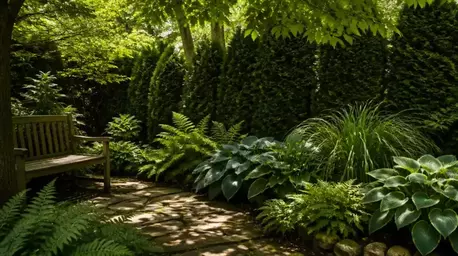
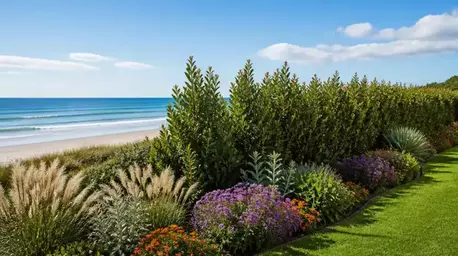
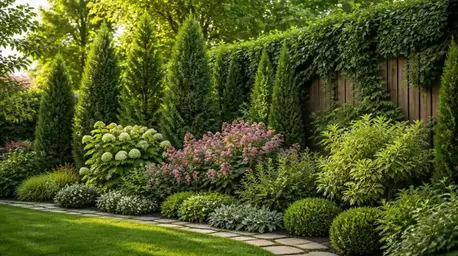
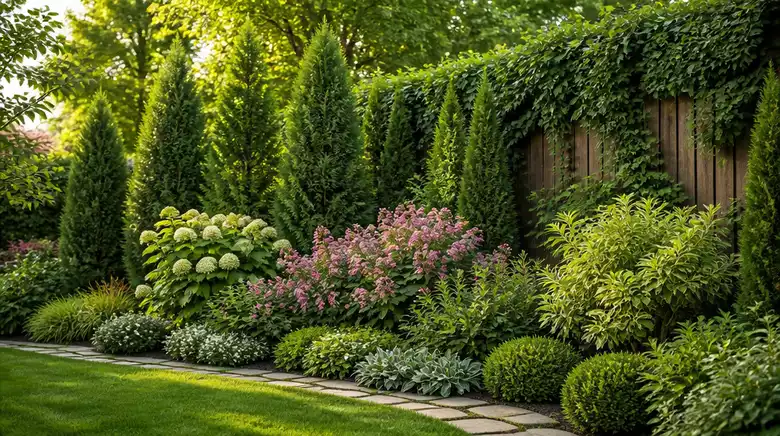
Layered planting involves arranging different types and heights of plants to create a natural barrier that enhances your backyard's privacy. Think of it as creating a visual tapestry with trees, shrubs, and flowers, where each layer plays a unique role. This method cultivates an inviting atmosphere while effectively blocking out unwanted views.
To visualize this concept, imagine a 3-layer cake. Each layer contributes to the overall structure and flavor, just like how the back, middle, and front layers of plants work together to form a cohesive privacy screen. At Branch & Border, we love to design these living screens that not only serve a purpose but also bring life to your space!
Layered planting offers a host of benefits for anyone looking to enhance their outdoor privacy. Here are some key advantages:
By implementing layered planting in your backyard, you not only gain privacy but also enhance the overall beauty of your space. It's a fantastic way to connect with nature while enjoying the comforts of home!
Why does layered planting work so effectively for privacy? The answer lies in the multi-layered screens that they create. When you combine tall trees, medium shrubs, and low-growing plants, you form a barrier that is visually striking and functionally robust. Each layer serves a specific purpose, from blocking sightlines to providing texture! For more ideas, explore landscaping ideas for privacy screens.
This strategic layering not only enhances privacy but also allows for better air circulation and sunlight penetration. This way, your plants can thrive while still providing the coverage you desire. It’s a win-win for both aesthetics and functionality!
In contrast to traditional fencing solutions, which can feel stark and confining, layered planting embraces the beauty of nature. Imagine walking into your backyard and being greeted by swathes of greenery instead of an imposing wall. By opting for this natural approach, you create a welcoming space that invites relaxation and joy.
Additionally, layered planting can be customized to reflect your personal style. Whether you prefer a rustic look with native plants or a modern vibe with structured evergreens, the options are endless!
When selecting plants for your layered privacy screen, it’s important to consider hedges and evergreen shrubs that provide the necessary coverage. Some popular choices include:
These plants not only provide excellent coverage but also contribute to the overall aesthetic of your landscape design. For more options, check out evergreens for all-season privacy fencing.
Don't forget to incorporate climbing plants and ornamental grasses into your design! These plants add texture and movement, bringing your layered planting to life. Here are a few great options:
By combining these elements, you create a layered privacy screen that is not only functional but also visually captivating. With careful plant selection, you’ll enjoy a beautiful backyard oasis that provides the privacy you need!
Did you know? Incorporating a variety of textured plants, such as evergreens, flowering shrubs, and ornamental grasses, not only enhances visual interest but also contributes to better sound dampening. This creates a peaceful retreat in your backyard, allowing you to unwind and enjoy your outdoor oasis without the distractions of noise from neighbors or traffic!
Once you've created your stunning layered planting design, the real journey begins! Regular maintenance is key to ensuring that your plants thrive and continue to provide the privacy and beauty you envisioned. At Branch & Border, I believe that a little care goes a long way in preserving the health of your landscape.
To keep your layered planting in tip-top shape, adhere to a routine that includes pruning, irrigation, and monitoring growth. This helps prevent overcrowding and allows each plant to flourish without competing for sunlight and nutrients. A consistent care schedule not only enhances the longevity of your plants but also keeps your yard looking fresh and vibrant!
Establishing a maintenance routine can seem daunting, but it doesn’t have to be! Here are some essential tips to follow:
By staying proactive with these practices, you can effectively manage the long-term growth and health of your plants. Remember, a well-maintained landscape not only looks great but also creates a welcoming atmosphere for you and your guests!
It's crucial to consider your yard’s unique environmental conditions when maintaining your layered planting. *Matching your plants to the right conditions can make all the difference!* Here’s what to keep in mind:
By understanding these environmental factors, you can ensure that your layered planting remains healthy and vibrant throughout the seasons. It’s all about finding the right balance for your unique landscape!
Layered planting isn’t just a beautiful addition to your backyard; it’s a smart choice that offers numerous benefits compared to traditional fencing solutions. From the aesthetics to wildlife considerations, there’s a lot to explore!
At Branch & Border, I often see homeowners torn between privacy fences and layered planting. If you're considering your options, here’s a quick comparison:
Making an informed decision means looking beyond aesthetics to consider how each option contributes to the overall health of your outdoor environment. So, whether you’re leaning towards creating a lush green wall or a traditional fence, understanding these benefits will help you achieve your ideal backyard sanctuary. For more insights on this, consider the benefits of living fences.
Designing your backyard for privacy involves more than just plants; it’s about creating a space that feels safe and inviting. Here are a few effective design principles to consider:
Your garden layout should work in harmony with your layered planting, maximizing the effectiveness of your design. Remember, the goal is to create a cohesive and personalized outdoor space that reflects your lifestyle!
Are you ready to take the next step in your backyard transformation? Engaging with your local nurseries will be a fantastic way to find the perfect plants for your layered design! They can help you select varieties that thrive in your area and fit your vision.
Additionally, there are plenty of resources available for further learning about privacy landscaping. *Don’t hesitate to reach out and ask questions—your journey toward a beautiful, private space is just beginning!* Let’s make your landscape dreams come true!
Here is a quick recap of the important points discussed in the article:
Celia Thorne is a passionate landscape designer with over a decade of experience in creating functional and aesthetically pleasing outdoor spaces. With a keen eye for detail and a deep understanding of horticulture, Celia specializes in the strategic use of trees and shrubs to enhance properties, providing clients with practical solutions for privacy, wind protection, and visual appeal. At Branch & Border, we believe in the power of nature to transform outdoor environments into harmonious spaces that offer privacy, protection, and aesthetic appeal.
At Branch & Border, we artfully blend the science of horticulture with innovative design to create living fences, privacy screens, and windbreaks. Our passion is transforming outdoor spaces into harmonious havens that offer both beauty and functionality.
Crafting Nature's Boundaries