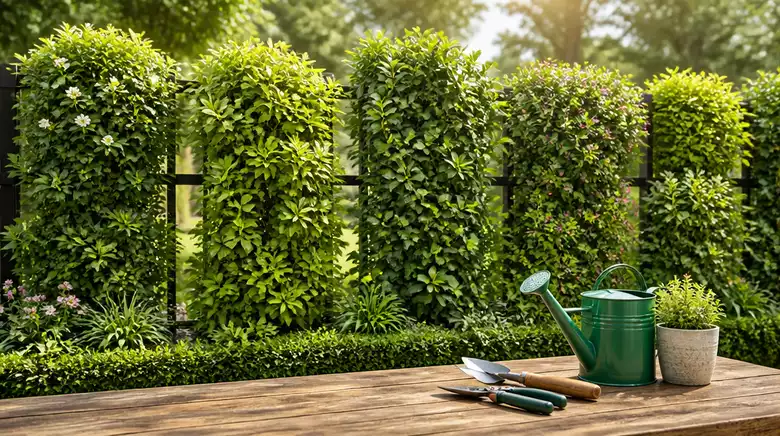
Inadequate Spacing
Leads to gaps between plants as they mature. Ensure appropriate spacing based on mature size.
As you nurture your outdoor space, have you ever noticed unsightly gaps in your living fence? These interruptions can detract from your landscape's overall beauty and functionality. Understanding the causes and solutions for these gaps is essential in maintaining a harmonious environment. Let’s explore the key insights you can glean from managing your living fence effectively.
Understanding the primary contributors to gaps in living fences can help you take proactive steps to maintain a cohesive look. For more strategies on maintaining a healthy and beautiful living fence, explore our guide on living fence care tips. Below are key factors along with strategies for addressing them:
Leads to gaps between plants as they mature. Ensure appropriate spacing based on mature size.
Can inhibit growth, leaving some areas bare. Regular pruning is essential to maintain health.
Some plants grow more vigorously than others, causing uneven coverage. Choose a mix for balance.
Regular maintenance and monitoring will help catch issues early to prevent gaps from becoming problematic.
Living fences, comprised of trees and shrubs, bring beauty and functionality to our outdoor spaces. However, gaps can become an unwelcome sight, disrupting the harmony we've worked to create. Understanding the underlying causes of these gaps is essential for effective management and restoration, ensuring that your living fence continues to enhance your property’s aesthetic appeal while providing much-needed privacy.
In my experience at Branch & Border, I often see gaps caused by a variety of factors. Identifying these common causes can help you take proactive steps to maintain a lush and cohesive living fence. Let's dive into the details so you can enjoy the full benefits of your green boundaries.
One of the primary contributors to gaps in living fences is plant spacing and growth patterns. When shrubs and trees are planted too far apart, it can lead to areas that feel sparse and uninviting. It's crucial to consider the mature size of each plant and to space them accordingly, ensuring they can grow together harmoniously. For more information on plant selection, explore our guide on best plants for living fences.
Another factor to consider is the thinning of hedges over time. As plants age, they may lose foliage due to disease, pests, or simply natural growth patterns. Regular maintenance and monitoring will help you catch these issues early, allowing you to take action before gaps become problematic.
Understanding the growth patterns of your chosen plants is vital for a successful living fence. For example, some shrubs will fill in quickly, while others might take longer to establish. This knowledge allows you to plan your living fence effectively, optimizing its full potential.
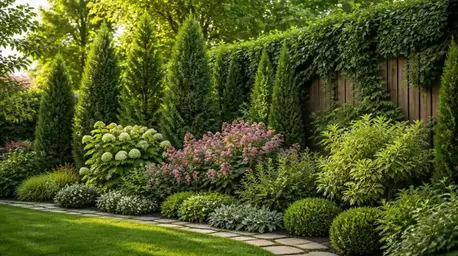
In my designs, I prioritize the strategic placement of plants to ensure a cohesive look. Branch & Border advocates for a mix of heights and textures, which not only adds visual interest but also helps in filling gaps as some plants mature faster than others.
Over time, even the most well-planned hedge can experience thinning. Factors like harsh weather conditions or pest infestations can lead to leaf loss and weaker branches. This thinning can create noticeable gaps that detract from the overall appearance of your living fence.
To combat this, periodic pruning and the introduction of new plants can rejuvenate your living fence and fill in these gaps. Keeping an eye on your plants’ health is essential for maintaining that lush, dense appearance.
Environmental factors play a crucial role in the health and growth of plants that make up a living fence. Climate, soil quality, and irrigation practices can all contribute to the formation of gaps. Understanding these influences will help you create a thriving living fence that stands the test of time.
As a landscape designer, I’ve learned that addressing environmental factors can make a significant difference. Let’s explore how climate and soil quality affect your plants and what you can do to ensure they flourish.
The climate in your area can have a profound impact on the growth of your living fence. Factors like temperature, sunlight, and wind exposure can either enhance or hinder plant health. It’s essential to choose plants suited for your local climate to ensure robust growth and prevent gaps. To learn more about selecting appropriate trees, consider our resource on trees for small yard privacy.
By selecting plants that thrive in your local climate, you set the stage for a healthy, dense living fence that minimizes gaps.
Soil quality and proper irrigation are vital for the success of any living fence. Poor soil can lead to stunted growth, while over or under-watering can create stress on plants, leading to bare spots. Regularly testing your soil and adjusting your watering practices can yield significant improvements.
To enhance soil quality, consider adding organic matter or mulch. Not only does this help retain moisture, but it also supports the overall health of your plants, making them less prone to gaps over time.
Incorporating native plants into your living fence design can significantly improve its resilience and reduce the likelihood of gaps. Native species are adapted to local conditions and often require less maintenance, thriving where non-native plants may struggle.
By choosing native plants, you not only enhance the beauty of your living fence but also support local wildlife, creating a vibrant ecosystem right in your backyard. It's a win-win for both you and the environment!
Native plants offer numerous benefits that can help fill gaps and strengthen your living fence:
Incorporating these plants into your living fence ensures that your design is not only beautiful but also sustainable.
When selecting plants for your living fence, consider those that provide erosion control and serve as a habitat for wildlife. Many native species possess deep root systems that help stabilize soil, preventing erosion while creating a lush, green barrier.
Additionally, you can create a welcoming environment for birds, butterflies, and other wildlife by choosing plants that offer food and shelter. It’s rewarding to watch your living fence come alive with activity, knowing you’ve created a thriving ecosystem!
Did you know? Regularly assessing your living fence for signs of stress or decline can prevent gaps before they form. Monitoring for pests, diseases, and environmental stresses early will allow you to take action swiftly, ensuring your fence remains lush and cohesive.
When it comes to addressing those pesky gaps in your living fence, there are several effective strategies to explore. Each approach varies in its sustainability and immediacy, but they all share the goal of enhancing your outdoor space. Let’s dive into some of the best methods I’ve found to help you enjoy a beautiful, cohesive living fence!
One of the most rewarding ways to fill gaps is through the use of plants. By selecting the right species, you can create a lush, inviting atmosphere that not only fills those gaps but also enhances privacy and beauty. It’s kind of like giving your living fence a makeover!
Choosing the right shrubs and vines can make all the difference in your living fence's appearance and functionality. Consider the climate zone you live in and pick plants that thrive in your specific conditions. This ensures they will flourish and fill the gaps effectively.
Additionally, incorporating ornamental grasses and flowering plants can add texture and color to your living fence. Mixing these elements introduces visual interest and supports local wildlife, creating a vibrant ecosystem right in your backyard! For further inspiration, consider colorful living fences with shrubs.
When selecting shrubs and vines, it’s crucial to consider your specific climate zone. Certain plants thrive in warmer conditions, while others prefer cooler climates. Here’s a quick guide to help you choose:
By choosing plants suitable for your climate, you ensure long-lasting beauty and functionality in your living fence.
For those who want an instant solution, evergreen and fast-growing plants can be your best friends! They fill gaps quickly and provide year-round coverage. Here are some recommendations:
These options not only fill gaps swiftly but also add a lush backdrop to your outdoor space.
Sometimes, you might need to look beyond plants to fill those gaps effectively. Incorporating physical barriers and fillers can provide immediate solutions while you wait for your plants to grow. They can create a clean, organized look while enhancing your living fence's functionality.
Using materials like soil, gravel, and mulch can cover gaps and prevent erosion, offering an instant fix. Meanwhile, structural enhancements like mesh, slats, or boards can provide durability and visual appeal. For more ideas on how to enhance your outdoor space, check out enhancing outdoor privacy tips. Here’s how you can use them:
Combining plant solutions with physical barriers not only fills gaps but also ensures your living fence remains strong and attractive over time.
Here is a quick recap of the important points discussed in the article:
Celia Thorne is a passionate landscape designer with over a decade of experience in creating functional and aesthetically pleasing outdoor spaces. With a keen eye for detail and a deep understanding of horticulture, Celia specializes in the strategic use of trees and shrubs to enhance properties, providing clients with practical solutions for privacy, wind protection, and visual appeal. At Branch & Border, we believe in the power of nature to transform outdoor environments into harmonious spaces that offer privacy, protection, and aesthetic appeal.
At Branch & Border, we artfully blend the science of horticulture with innovative design to create living fences, privacy screens, and windbreaks. Our passion is transforming outdoor spaces into harmonious havens that offer both beauty and functionality.
Crafting Nature's Boundaries