Environmental Impact
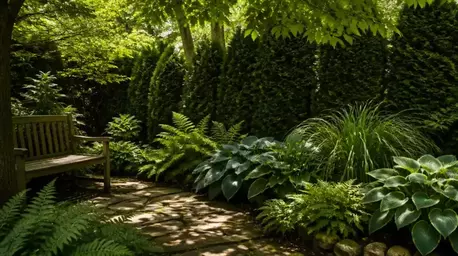
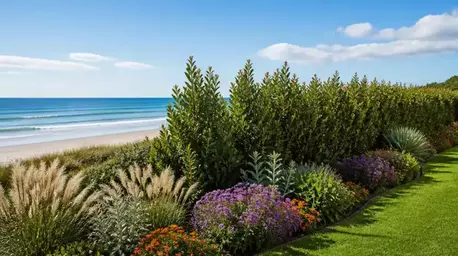
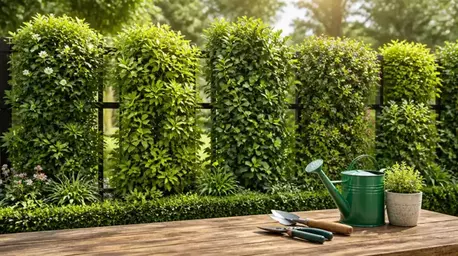
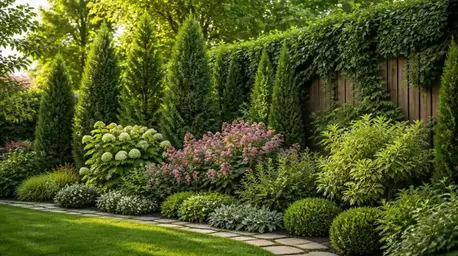
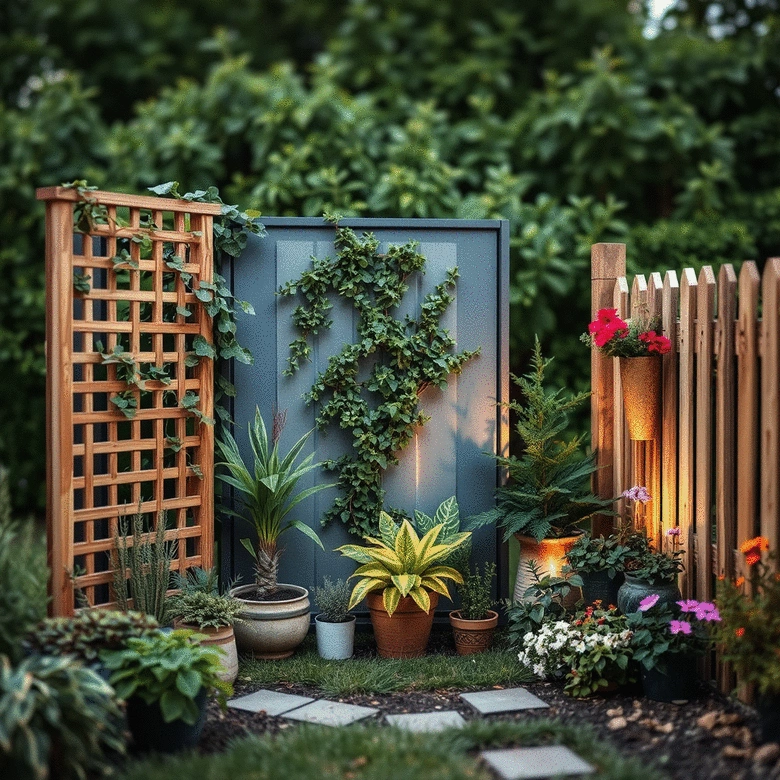
Trees and shrubs help purify the air, absorb carbon dioxide, and improve soil health.
Are you ready to transform your small garden into a vibrant, eco-friendly sanctuary? Living fences not only enhance your outdoor space but also play a crucial role in promoting biodiversity and sustainability. Here’s what you’ll discover about creating these natural barriers.
Living fences not only enhance privacy but also provide numerous eco-friendly advantages. Below is a visual summary of their key benefits.
Trees and shrubs help purify the air, absorb carbon dioxide, and improve soil health.
They offer natural habitat and food sources for birds, pollinators, and beneficial insects.
Living fences provide year-round beauty and can be designed to fit your personal style.
Once established, many plants require less care than traditional fencing materials.
As a landscape designer at Branch & Border, I often marvel at the beauty and functionality of living fences. They are not just a stunning way to create privacy; these natural barriers also offer numerous eco-friendly benefits. By incorporating trees and shrubs into your small garden, you can significantly enhance biodiversity and even contribute to carbon sequestration, helping combat climate change! For more insights into creating private spaces, check out our guide on landscaping ideas for privacy screens.
Moreover, living fences act as a habitat for local wildlife, providing shelter and sustenance for birds, insects, and other critters. Imagine watching butterflies flit through your yard or listening to birdsong, all thanks to your carefully chosen plants! It’s a win-win situation—your garden becomes a thriving ecosystem while offering you a lush, private retreat.
The allure of living fences goes beyond their aesthetic beauty. These natural barriers are crafted from a variety of plants and can be tailored to fit any garden size, especially small spaces. With unique designs, living fences can transform an ordinary yard into a secluded oasis, allowing you to enjoy the outdoors without feeling exposed to neighbors or passersby. For an in-depth comparison, read about living fences vs. traditional fencing.
To give you a clearer picture, here are some key benefits of living fences:
It's no secret that embracing nature in our gardens enhances our overall well-being. A living fence not only boosts the visual appeal of your property but also reinforces our connection to the environment, reminding us of the importance of sustainability.
When planning your living fence, think creatively! The integration of different plant species can create stunning visual effects that elevate the entire garden. Whether you prefer a rustic look with native plants or a more modern aesthetic with neatly trimmed shrubs, there are countless design possibilities to explore.
Here are some inspiring concepts to consider for your living fence:
By thoughtfully selecting and arranging your plants, you can create a living fence that serves as a beautiful backdrop for your outdoor activities. It's not just about privacy; it's about cultivating a serene atmosphere where you can unwind and connect with nature.
Here's a brief recap of the key points discussed so far:
One of the most exciting aspects of landscape design is witnessing the incredible transformations that can occur in small gardens with the implementation of a living fence. At Branch & Border, we take pride in showcasing our successful installations through visual documentation. These case studies not only highlight the aesthetic appeal of living fences but also demonstrate their functionality in providing privacy and enhancing outdoor spaces.
For instance, take a look at a recent project where we transformed a small, overlooked backyard into a lush haven. Before the installation, the area felt cramped and uninviting. After strategically placing a variety of trees and shrubs, the garden became a vibrant sanctuary filled with greenery and life. These visual transformations inspire potential clients, showing them the possibilities of what a well-planned living fence can achieve!
When considering a living fence, one important decision you'll face is whether to go the DIY route or hire a professional. As a landscape designer with years of experience, I can tell you that both options have their merits! DIY installations can be rewarding, allowing you to connect with your space and make personal choices. However, hiring a professional like those at Branch & Border can ensure the project is executed with precision and expertise. Consider exploring various shrub combinations for garden privacy to get started.
Here are some factors to consider when making your decision:
Vertical planters and container gardening are fantastic solutions for small spaces! They maximize your area while adding diversity to your garden. At Branch & Border, we love incorporating these techniques into our designs, as they allow for creative arrangements that enhance the visual appeal of living fences.
Here are some benefits of using vertical planters and containers:
Are you inspired to create your own living fence? The next steps are crucial for ensuring your project goes smoothly! Start by outlining your vision and gathering resources to guide you through the process. At Branch & Border, we love to help our clients plan their projects, and we encourage you to reach out for guidance.
Here are some valuable resources to help you get started on your living fence project:
Incorporating a living fence into your garden not only beautifies your space but also promotes sustainability. These eco-friendly designs offer numerous environmental benefits. They can help improve air quality, provide habitats for wildlife, and even sequester carbon!
By choosing to create a living fence, you’re making a conscious decision to enhance your outdoor environment while contributing positively to the planet. So why not start your journey today and join the movement towards more sustainable landscaping solutions?
As you embark on your living fence project, I invite you to share your experiences with others. Connecting with fellow garden enthusiasts can provide valuable insights, inspiration, and support. At Branch & Border, we love hearing stories from our clients about their gardening journeys!
Feel free to share photos of your living fences and engage in discussions about your challenges and successes. Together, we can foster a community dialogue around creating beautiful small garden solutions that everyone can enjoy!
Lastly, consider integrating edible plants and pollinator-friendly options into your living fence design. This not only enhances biodiversity but also makes your garden functional and unique! Imagine enjoying fresh herbs right from your backyard while attracting beneficial pollinators like bees and butterflies. For guidance on achieving your desired aesthetic, explore our article on designing your shrub living fence.
By choosing to mix aesthetics with functionality, you can create a living fence that is not only beautiful but also contributes to the health of your garden and the environment. Let’s embrace the possibilities together!
Here is a quick recap of the important points discussed in the article:
Celia Thorne is a passionate landscape designer with over a decade of experience in creating functional and aesthetically pleasing outdoor spaces. With a keen eye for detail and a deep understanding of horticulture, Celia specializes in the strategic use of trees and shrubs to enhance properties, providing clients with practical solutions for privacy, wind protection, and visual appeal. At Branch & Border, we believe in the power of nature to transform outdoor environments into harmonious spaces that offer privacy, protection, and aesthetic appeal.
At Branch & Border, we artfully blend the science of horticulture with innovative design to create living fences, privacy screens, and windbreaks. Our passion is transforming outdoor spaces into harmonious havens that offer both beauty and functionality.
Crafting Nature's Boundaries