Living Fences for Wind Protection
Did you know that choosing the right design elements can profoundly influence the effectiveness of a living fence? Understanding the dynamics of wind and plant selection is crucial in creating a resilient and beautiful outdoor space. This article delves into the intricacies of wind protection in living fence design, offering insights that are both practical and essential for landscape enthusiasts.
What You Will Learn
- Wind pressure significantly impacts the stability and longevity of living fences, requiring careful design consideration.
- Selecting the right plant species suited to your climate zone is crucial for effective windbreaks and visual appeal.
- A permeable fence design allows wind to flow through, reducing turbulence and minimizing pressure on plants.
- Regular maintenance, including watering, pruning, and soil quality management, is essential for sustaining a healthy living fence.
- Understanding wind dynamics helps in strategic placement and orientation of your living fence for optimal protection.
- Choosing between deciduous and evergreen plants depends on your goals for year-round coverage and seasonal beauty.
- Monitoring plant performance and making adjustments can enhance the overall effectiveness of your living fence against wind.
Understanding Wind Dynamics in Living Fence Design
Key factors that influence wind pressure and its impact on fencing structures are crucial for effective living fence design. For more detailed insights into creating robust living fences, explore our guide on designing your shrub living fence.
Wind Pressure Factors
- Wind Speed: Higher speeds increase pressure.
- Wind Direction: Influences fence placement.
- Surface Area: Larger areas face greater forces.
Wind Load Distribution
Wind loads are transmitted through the fence, significantly impacting plant choices:
- 1. Taller trees for wind protection.
- 2. Denser shrubs reduce turbulence.
Permeability Importance
A permeable fence allows wind flow, reducing pressure on plants.
Best Plant Choices
Consider native species that thrive in local conditions for effective windbreaks.
Understanding Wind Dynamics for Effective Living Fence Design
When it comes to creating a living fence, understanding wind dynamics is essential. Wind can significantly affect how well your fence performs, and it can influence the choice of plants and structures you select. As a landscape designer, I often emphasize the importance of incorporating wind protection into the design process, ensuring that outdoor spaces remain both functional and beautiful.
A key factor in effective living fence design is recognizing how wind pressure impacts the fencing structure. Wind pressure varies with speed and can exert significant force on your plants and any supporting structures. By understanding these dynamics, you can craft a living fence that not only enhances the beauty of your property but also stands resilient against nature's gusts!
The Impact of Wind Pressure on Fencing Structures
Wind pressure affects both the stability and longevity of a living fence. As wind flows over and around your fence, it creates zones of high and low pressure, which can lead to potential damage if not properly accounted for. Consider the following factors that demonstrate the impact of wind pressure:
- Wind Speed: Higher wind speeds increase pressure on plants and structures.
- Wind Direction: Understanding prevailing winds can help in strategic fence placement.
- Surface Area: Larger surface areas are subject to greater wind forces, requiring more robust design.
By taking these elements into account, I can help clients design living fences that withstand wind pressure while providing the intended benefits of privacy and aesthetic appeal. For more information on effective windbreaks, see our article on trees for effective windbreaks.
How Wind Load Distribution Affects Living Fences
Wind load distribution refers to how wind forces are transmitted through a fence structure. This is particularly important when considering the types of trees and shrubs to use in your living fence. Different plants will respond to wind in varying ways, affecting how effectively they can function as a windbreak.
For example, taller trees can provide significant wind protection but may require more support due to higher wind loads. On the other hand, denser shrubs can act as excellent barriers while minimizing wind turbulence. Understanding these dynamics allows me to recommend the best plant combinations to create an effective living fence!
The Importance of Fence Permeability to Reduce Wind Turbulence
Another crucial aspect of living fence design is permeability. A fence that is too solid may create turbulence, which can lead to increased pressure on the plants. Instead, a permeable fence allows wind to flow through while still providing the desired privacy and aesthetic. This balance is key for thriving plants and effective wind protection.
To achieve this permeability, consider incorporating a mix of plants with varying densities and heights. Some options include:
- Deciduous trees for seasonal coverage.
- Evergreen shrubs for year-round protection.
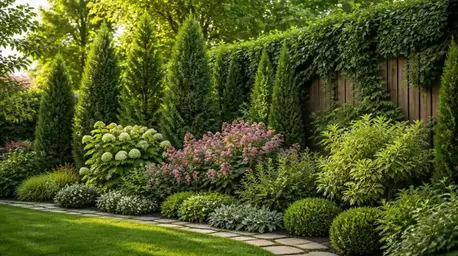
- Layered plantings to create a dynamic structure that encourages airflow.
By focusing on permeability, I help clients build stronger, more resilient living fences that not only contribute to their outdoor space but also withstand the challenges of nature!
Key Design Principles for a Living Fence That Provides Wind Protection
Designing a living fence that effectively shields against wind involves several key principles. From orientation and height to strategic spacing, each element plays a vital role in optimizing wind protection. I often guide clients through these considerations to create functional and visually appealing outdoor environments.
Understanding how these principles interact with wind dynamics can ensure that your living fence remains effective and enduring over time. Let's explore some of the best practices for designing your living fence!
Pro Tip
Did you know that incorporating a variety of plant heights and densities can enhance the windbreak effectiveness of your living fence? Mixing taller trees with shorter, denser shrubs creates a layered structure that not only helps to reduce wind speed but also promotes healthier plant growth by minimizing turbulence!
Planting a Living Fence: Species Selection and Maintenance
When it comes to creating a living fence, the choice of vegetation is crucial. Selecting the right plants not only enhances the aesthetic appeal but also ensures your windbreak is effective. At Branch & Border, we emphasize understanding your climate zone as a first step in choosing the best species. Each region has unique conditions, and certain plants thrive in specific areas while others struggle.
The decision between deciduous and evergreen plants often comes up. Deciduous plants lose their leaves in winter, which can be a disadvantage for winter windbreaks. On the other hand, evergreens maintain their foliage year-round, providing consistent wind protection. Consider your goals: if year-round coverage is essential, you might lean towards evergreens! However, a mix of both types can add diversity and visual interest. Delve deeper into maintaining your living fence with these living fence care tips.
Choosing the Right Vegetation for Your Climate Zone
Here are some factors to consider when selecting plants for your living fence:
- Climate Compatibility: Choose species that are native or well-adapted to your local climate.
- Wind Resistance: Select sturdy plants that can withstand strong gusts.
- Growth Rate: Fast-growing species can provide quicker results but may require more maintenance.
- Aesthetic Value: Consider flower color, foliage texture, and seasonal changes for visual appeal.
At Branch & Border, we often recommend several species based on regional considerations. For instance, in the Northeast, you might find Eastern Red Cedar or Arborvitae to be excellent choices, while the Southwest favors Texas Sage and Desert Willow.
Deciduous vs. Evergreen Plants: Which is Best for Windbreaks?
Deciding between these two classes of plants can feel daunting, but here’s a simple breakdown:
- Evergreen Plants: Provide year-round screening and continuous wind protection.
- Deciduous Plants: Offer beautiful seasonal changes and can allow sunlight in during winter.
Evaluating your priorities will guide your decision. If you desire ongoing privacy and shelter, evergreens are typically the way to go!
Recommended Plant Species Based on Regional Considerations
Here’s a quick list of some recommended species tailored for different climates:
- Northeast: Red Maple, Eastern White Pine, and Norway Spruce
- Southeast: Live Oak, Southern Magnolia, and Leyland Cypress
- Midwest: Black Walnut, Northern Red Oak, and Blue Spruce
- Southwest: Mesquite, Desert Willow, and Palo Verde
Native plants are another fantastic option! They’re adapted to local conditions and support local ecosystems. Choose plants that will thrive without extra watering or care, which aligns beautifully with our commitment to sustainability at Branch & Border. Learn more about native plants for living fences.
Maintenance Tips for Sustaining Your Living Fence
A living fence requires care to flourish, and maintaining it doesn’t have to be overwhelming. Here are some essential maintenance tips to keep your plants healthy and effective:
- Watering: Ensure young plants receive adequate moisture, especially during dry spells.
- Pruning: Regularly trim to promote healthy growth and desired shapes.
- Fertilizing: Use organic fertilizers to enrich the soil and support growth.
By following these simple guidelines, you can cultivate a vibrant and effective living fence that not only protects but also enhances your outdoor space. Monitoring your plants will help you adjust care as needed; it's all about finding the right balance!
Monitoring and Adjusting for Optimal Wind Protection
Keep an eye on how well your living fence performs against strong winds. If you notice any gaps in protection, consider adjusting plant height or spacing. Regular observation helps you assess whether your plants are thriving or require additional care.
Also, don't hesitate to experiment! Sometimes moving plants slightly or even adding new species can make a significant difference in wind protection effectiveness. This adaptability is one of the joys of working with living fences.
Soil Quality and Its Impact on Plant Growth
Good soil is the foundation of a healthy living fence. Test your soil to ensure it has the right pH and nutrients. You may need to amend it with compost or organic matter to improve its structure.
Healthy soil leads to healthy plants! At Branch & Border, we believe that nurturing your soil is just as important as nurturing your plants; they work hand-in-hand to create a thriving outdoor sanctuary.
Frequently Asked Questions (FAQs)
- Q: Why is understanding wind dynamics important for living fences?
- A: Understanding wind dynamics is crucial because wind pressure significantly impacts the stability and longevity of living fences, influencing plant selection and structural design for optimal performance and protection.
- Q: How does fence permeability help reduce wind turbulence?
- A: A permeable fence allows wind to flow through it rather than creating a solid barrier. This reduces turbulence and minimizes pressure on the plants, leading to a more stable and effective windbreak.
- Q: Should I choose deciduous or evergreen plants for a windbreak?
- A: The choice depends on your goals. Evergreen plants provide year-round screening and continuous wind protection, while deciduous plants offer seasonal beauty and allow more sunlight during winter. A mix of both can provide diversity and visual interest.
- Q: What factors should I consider when selecting plants for my living fence?
- A: Key factors include climate compatibility (native or adapted species), wind resistance, growth rate (fast-growing for quicker results), and aesthetic value (flower color, foliage texture, seasonal changes).
- Q: What are essential maintenance tips for a living fence?
- A: Essential maintenance includes adequate watering, regular pruning to promote healthy growth, and fertilizing with organic materials to enrich the soil. Monitoring plant performance and making adjustments as needed is also important.
Recap of Key Points
Here is a quick recap of the important points discussed in the article:
- Understand Wind Dynamics: Recognize how wind pressure affects the stability and longevity of your living fence.
- Wind Load Distribution: Consider how different plants respond to wind and choose species that can effectively function as a windbreak.
- Permeability is Key: Design a living fence with a mix of plant densities and heights to allow wind to flow through and reduce turbulence.
- Select Appropriate Vegetation: Choose plants that are climate-compatible, wind-resistant, and provide aesthetic value for your living fence.
- Maintenance Matters: Regular watering, pruning, and soil enrichment are essential for sustaining a healthy and effective living fence.
- Monitor and Adjust: Regularly observe your living fence's performance against strong winds and be open to making adjustments as needed.