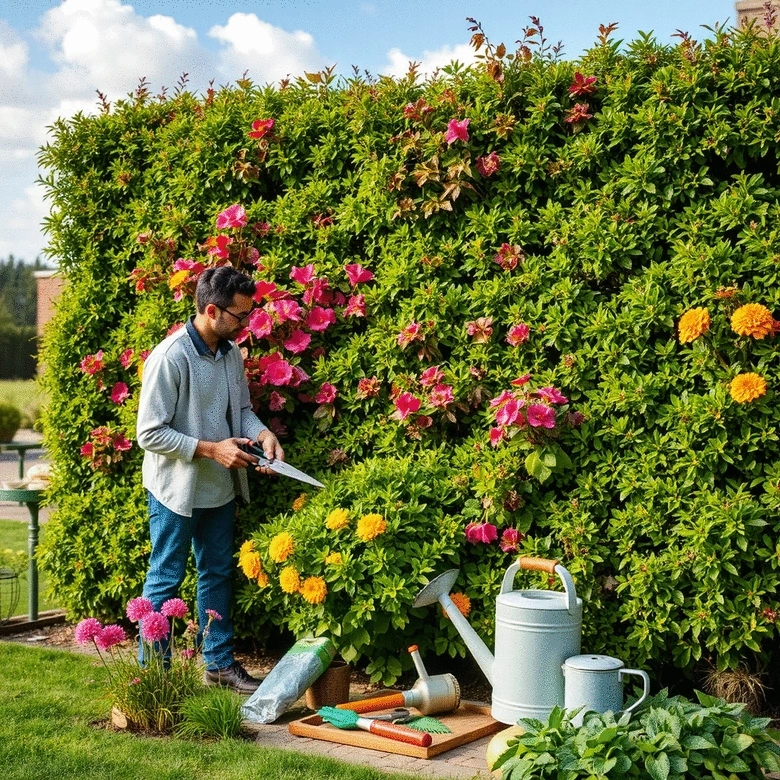
Seasonal Care for Fences and Shrubs
What if your garden could not only enhance the beauty of your property but also provide vital habitat for local wildlife? Living fences do just that! By understanding their seasonal care needs, you can create a thriving, eco-friendly landscape that changes with the seasons.
What You Will Learn
- Living fences serve multiple purposes, including privacy, aesthetics, and wildlife habitat, making them a versatile choice for property boundaries.
- Seasonal care is essential; understanding growth patterns helps optimize maintenance tasks, such as pruning in spring and preparing for dormancy in autumn.
- Climate plays a significant role in plant health; knowing your local conditions ensures you select the right shrubs for your living fence.
- Sustainable practices, such as using native plants and incorporating organic techniques, promote biodiversity and reduce maintenance efforts.
- Utilizing resources like online guides or hiring landscape professionals can enhance your gardening efforts and lead to better results.
- Engaging with local gardening communities provides support, shared knowledge, and inspiration for your landscaping projects.
Seasonal Care Strategies for Living Fences and Shrubs
Understanding the key seasonal strategies for maintaining your living fences and shrubs can enhance their growth and health throughout the year. Below are essential strategies categorized by season, displayed in a side-by-side layout for easy reference. For more detailed information on year-round upkeep, explore our living fence care tips.
Spring Care
- Pruning for shape and growth
- Fertilizing with balanced nutrients
Summer Care
- Monitoring for pests
- Consistent watering to prevent stress
Autumn Care
- Preparing plants for dormancy
- Cleaning up fallen debris
Winter Care
- Applying protective mulch
- Inspecting for winter damage
Essential Understanding of Seasonal Care for Living Fences and Shrubs
As a passionate landscape designer, I can tell you that seasonal care for living fences and shrubs is crucial for their health and beauty! Understanding the unique needs of these plants throughout the year helps ensure they thrive, offering both aesthetic appeal and practical benefits like privacy and wind protection. At Branch & Border, we believe that the more you know about your plants, the better equipped you'll be to care for them.
What Are Living Fences and Their Benefits?
Defining Living Fences and Shrubs
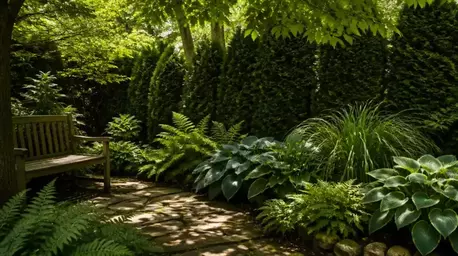
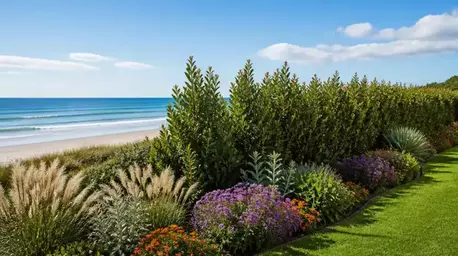
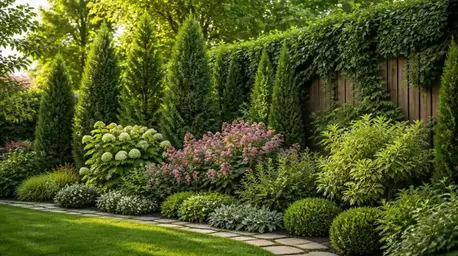
Living fences are natural barriers created using trees and shrubs instead of traditional fencing materials. They serve as functional and attractive boundaries for your property, often blending seamlessly with the surrounding landscape. These green walls not only define space but also provide essential privacy and habitat for wildlife.
In contrast to wooden or metal fences, living fences offer the added benefit of growing and changing with the seasons. They can be tailored to suit your specific needs and preferences, making them an appealing option for homeowners looking to enhance their outdoor space!
Advantages of Using Living Fences for Privacy and Aesthetics
There are several advantages to incorporating living fences into your landscape design:
- Privacy: Dense shrubs can effectively obscure views from neighbors and passersby.
- Aesthetics: They offer a natural beauty that adds color and texture to your yard.
- Wildlife Habitat: Living fences can attract birds, butterflies, and beneficial insects, enhancing biodiversity.
- Windbreak: They act as natural barriers against wind, making your outdoor space more comfortable.
At Branch & Border, we love to see how living fences can transform spaces into beautiful sanctuaries, making outdoor areas feel more inviting and harmonious with nature. If you haven't considered a living fence yet, now might be the perfect time to explore the possibilities! Learn more about the privacy benefits of living fences.
Seasonal Changes and Their Impact on Shrub Care
Recognizing Seasonal Growth Patterns in Living Fences
Understanding the seasonal growth patterns of your living fence is key to effective care. In spring, many shrubs experience a burst of growth, making it an ideal time for pruning and shaping. Conversely, as autumn approaches, many plants will start to prepare for dormancy, requiring different maintenance strategies.
By recognizing these patterns, you can maximize the health and beauty of your living fences. This proactive approach allows you to give them the tailored care they need throughout the year for optimal growth!
Understanding Regional Climate Effects on Plant Health
Different regions experience varying climates, and these conditions have a significant impact on the health of your shrubs. For instance, areas with harsh winters may require extra protection for sensitive plants, while more temperate climates might allow for a broader selection of species.
Understanding your local climate will help you make informed decisions about the best types of shrubs for your living fence. This knowledge is essential for creating a thriving landscape that looks stunning and functions well in your environment.
Climate Considerations for Optimal Care
When planning your living fence, consider the following climate factors:
- Temperature: Be aware of the temperature extremes in your area.
- Precipitation: Understand how much rainfall your region typically receives.
- Sunlight: Know how much sunlight your plants will get throughout the day.
- Soil Type: Different plants thrive in different soil conditions, so choose accordingly!
By keeping these climate considerations in mind, you can ensure your living fence flourishes all year long, reflecting the beauty of nature while providing the privacy and protection you desire! For plant ideas well-suited to various climates, consider exploring the best plants for living fences.
Pro Tip
To significantly enhance the health of your living fences, consider incorporating companion planting. Pairing certain shrubs with flowers or herbs can naturally deter pests while promoting growth. For instance, planting marigolds alongside your shrubs can repel unwanted insects and attract beneficial pollinators. This holistic approach not only fosters a harmonious ecosystem but also reduces the need for chemical interventions!
Consolidating Your Knowledge on Seasonal Care for Living Fences and Shrubs
As we reflect on the year, it’s essential to consolidate our understanding of seasonal care for living fences and shrubs. Each season brings unique challenges and rewards that require different strategies. By revisiting the care essentials for winter, spring, summer, and autumn, we can ensure our living fences thrive throughout the year. This comprehensive approach not only enhances the beauty of your property but also supports the health of your plants!
When it comes to maintaining your living fences, effective plant selection and ongoing maintenance are crucial. Choosing the right shrubs that are suited to your local climate helps to bolster their resilience against seasonal changes. Regular checks and care can prevent potential issues, ensuring your living fences remain lush, vibrant, and functional.
- Review winter protection methods.
- Implement spring pruning and watering techniques.
- Monitor for pests during the summer months.
- Prepare for winter dormancy in the autumn.
Encouraging Sustainable Practices in Your Gardening Routine
Integrating sustainable practices into your gardening routine offers numerous benefits, not just for your plants but for the environment as well. At Branch & Border, I advocate for the use of local and native plants because they adapt better to the local climate, require less maintenance, and provide habitat for wildlife. Embracing these practices promotes biodiversity, enhancing the overall health of your garden!
Long-term planning is equally important when it comes to seasonal care for living fences. By understanding how each season impacts your plants, you can create a thriving ecosystem that flourishes year after year. Whether you're starting a new project or maintaining existing ones, thinking ahead can make all the difference. For more insights on integrating sustainable choices, learn about native plants for living fences.
- Choose native plants for easier care.
- Develop a seasonal plan to guide your gardening efforts.
- Incorporate organic gardening techniques for healthier soil.
Taking Action: Enhancing Your Living Fences and Shrubs
Utilizing Resources and Tools for Optimal Growth
Having the right resources and tools can greatly enhance the health of your living fences. I often recommend utilizing guides and infographics that outline effective care techniques. These resources can serve as quick references, helping you stay on track with your seasonal maintenance.
If you find yourself needing expert advice or advanced techniques, don't hesitate to consider hiring professionals. A landscape designer can offer tailored solutions that align with your vision, ensuring that your outdoor space is both functional and beautiful. Plus, these experts can save you time and effort, freeing you to enjoy your living fences!
- Find online guides and infographics for plant care.
- Consider hiring a landscape expert for personalized guidance.
- Invest in essential garden tools, like pruning shears and soil testers.
Engaging with Your Community for Better Gardening Practices
One of the most rewarding aspects of gardening is sharing experiences and learning from others. Engaging with your community can provide valuable insights and foster a sense of belonging. You can connect with fellow gardening enthusiasts through local clubs or social media groups dedicated to landscape design and care!
By exchanging tips and stories, you not only enhance your own knowledge but also contribute to a supportive environment where everyone can thrive. Don't forget to share your successes and challenges; you might inspire someone else to take their gardening efforts to the next level! Consider joining a local gardening club to get started with community gardening resources.
- Join local gardening clubs for community support.
- Share your gardening journey on social media.
- Participate in community gardening events.
Recap of Key Points
Here is a quick recap of the important points discussed in the article:
- Understanding Living Fences: Living fences provide privacy, aesthetics, wildlife habitat, and wind protection, making them an appealing option for landscape design.
- Seasonal Care: Recognizing seasonal growth patterns is essential, with specific care techniques needed for spring pruning, summer pest monitoring, autumn preparation, and winter protection.
- Climate Considerations: Choose shrubs based on your regional climate, including factors such as temperature, precipitation, sunlight, and soil type for optimal growth.
- Sustainable Practices: Incorporate native plants and organic gardening techniques to promote biodiversity and reduce maintenance efforts.
- Utilizing Resources: Leverage guides, professional advice, and essential tools to enhance the care of your living fences.
- Community Engagement: Connect with local gardening clubs and share your experiences to foster a supportive gardening community.
Frequently Asked Questions (FAQs)
- What are living fences, and what benefits do they offer?
- Living fences are natural barriers made from trees and shrubs. They provide privacy, enhance aesthetics, offer wildlife habitat, act as windbreaks, and contribute to biodiversity, growing and changing with the seasons.
- Why is seasonal care important for living fences?
- Seasonal care is crucial because plants have different needs throughout the year. Understanding these seasonal growth patterns—like spring growth spurts, summer pest monitoring, preparing for autumn dormancy, and winter protection—ensures optimal health and beauty for your living fences.
- How does climate impact the choice and care of living fences?
- Regional climate significantly affects plant health. Factors like temperature extremes, precipitation levels, sunlight exposure, and soil type dictate which plant species will thrive in your area. Choosing plants suited to your local climate reduces maintenance and improves their resilience.
- What sustainable practices can I incorporate into my living fence gardening?
- Sustainable practices include choosing native plants, which adapt better to local conditions and require less maintenance, and incorporating organic gardening techniques. These methods promote biodiversity, reduce the need for chemical interventions, and create a healthier ecosystem.
- Where can I find resources for maintaining my living fence?
- You can find resources such as online guides, infographics, and expert advice from landscape designers. Engaging with local gardening communities, clubs, or social media groups also provides valuable insights and support.