
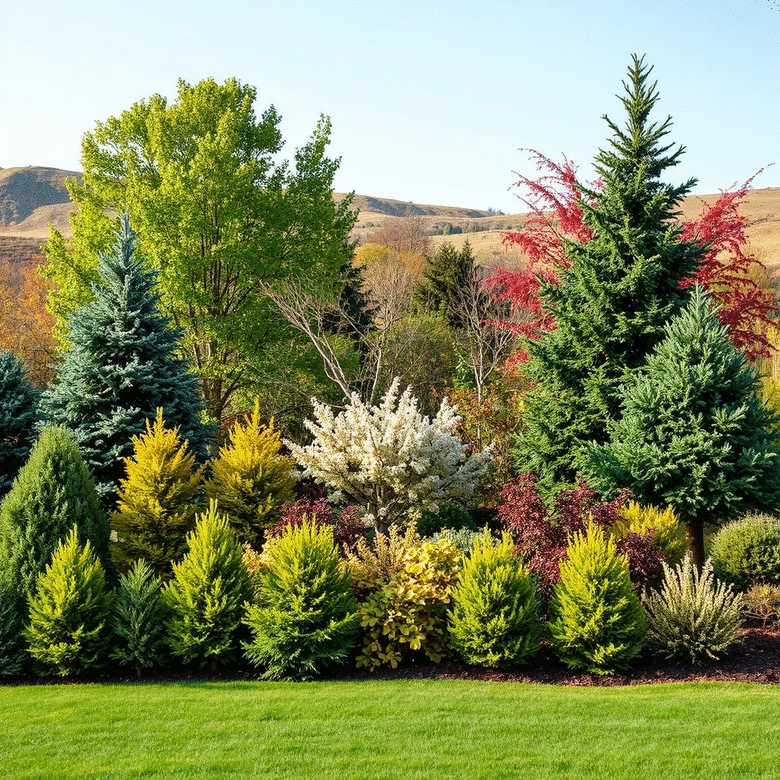
Spring Planting
Ideal from March to May when the soil is warmer, promoting root growth.
In the world of landscaping and agriculture, one often overlooked aspect can significantly enhance both productivity and aesthetics: windbreaks. These living barriers provide essential protection against harsh winds, improve biodiversity, and contribute to energy savings. Understanding how to effectively establish windbreaks while considering seasonal factors is crucial for success. Let’s explore some key insights that can help you on this journey!
Understanding seasonal factors is crucial for effective windbreak establishment. Below are key planting times and considerations that impact growth.
Ideal from March to May when the soil is warmer, promoting root growth.
Best from September to November, allowing plants to establish before winter dormancy.
Focus on protecting plants from harsh elements during frost and snow.
Choose species based on your climate zone for optimal growth and resilience.
When it comes to creating a thriving outdoor space, understanding seasonal factors is crucial, especially when planting windbreaks. These living barriers made of trees and shrubs can protect your property from harsh winds, reduce erosion, and enhance the overall aesthetics of your landscape. At Branch & Border, I’ve seen firsthand how a well-designed windbreak can transform an outdoor area into a peaceful haven. Let’s dive deeper into what makes windbreaks vital for agricultural and landscaping success!
So, what exactly is a windbreak? A windbreak is a row of trees or shrubs planted to reduce wind speed and protect crops or structures. They serve multiple purposes, such as providing privacy, improving microclimates, and enhancing biodiversity. Without these natural barriers, strong winds can wreak havoc, damaging plants and diminishing soil health.
Planting windbreaks isn’t just about agriculture; they also play a significant role in everyday landscaping. By creating a buffer zone, they help shield homes from harsh weather, contributing to energy savings in the long run. Imagine walking through your garden, feeling the gentle rustle of leaves instead of the harsh gusts of wind—now that’s the beauty of a well-placed windbreak!
When establishing windbreaks, it’s essential to consider the seasons. Different times of the year impact how trees and shrubs grow, and knowing when to plant can make a significant difference. For instance, spring is often ideal for planting because the soil is warmer, promoting root development. However, fall can also be advantageous, allowing plants to establish themselves before winter.
As I often tell my clients, understanding the local climate is key! Factors like temperature, moisture, and sunlight availability vary throughout the year and affect your plant choices. Seasonal considerations ensure your windbreak will thrive, providing the protection and beauty you desire. For more on this, consider exploring trees and shrubs for windbreaks to find the best options for your region.
Each climate zone has its unique characteristics that influence the success of windbreaks. For example, areas with cold winters may require hardier species that can withstand frost, while regions with milder climates might allow for a broader selection of plants. Understanding your climate zone will guide you in choosing the right species for planting.
At Branch & Border, I often recommend assessing your climate zone before making any decisions. This way, you can select trees and shrubs that not only survive but thrive in your specific environment. Remember, a well-chosen windbreak can offer a beautiful, functional layer to your landscape, adapting beautifully to the changing seasons!
Here's a brief recap of the key points discussed so far:
As we wrap up our discussion on effective windbreak establishment, it’s crucial to revisit the main points we've covered. Understanding seasonal factors is key for not just planting but ensuring that your windbreak thrives long-term. Whether it's timing your planting, selecting the right species, or preparing your site, each element plays a vital role in creating a successful and functional windbreak.
In summary, here are some of the essential seasonal considerations for planting windbreaks:
In my experience with Branch & Border, I've seen a few common mistakes that can easily be avoided when planning your windbreak. Being mindful of these pitfalls will save you time, effort, and resources down the line! Here are some mistakes to watch out for:
By steering clear of these mistakes, you'll set yourself up for success and enjoy the many benefits a well-planned windbreak can offer.
Now that you have a solid understanding of seasonal factors for windbreak establishment, the next step is to put this knowledge into action! Don't hesitate to start your windbreak project—let's make your outdoor space both beautiful and functional.
One of the best resources I recommend is a seasonal planting calendar. This tool helps you track the ideal times to plant, prune, and maintain your windbreak. Knowing these timelines can significantly improve your chances of success!
Don't forget to tap into local resources for selecting species suited to your specific area. Local nurseries and extension offices can provide excellent guidance on what works best in your climate. Plus, they can help you assess your site conditions, ensuring you make informed choices! For specific ideas, consider exploring native plants for windbreaks and privacy.
For a deeper dive into best practices, I strongly recommend consulting the USDA guidelines. These resources can offer comprehensive insights into proper planting techniques, species recommendations, and more. Plus, they emphasize sustainable practices that align with our mission at Branch & Border. Remember, a well-planned windbreak can also contribute to energy savings by shielding your home from harsh winds.
As you embark on your windbreak project, remember that I’m here to support you every step of the way. Together, we can transform your outdoor space into a thriving environment that offers both beauty and functionality!
Here is a quick recap of the important points discussed in the article:
Celia Thorne is a passionate landscape designer with over a decade of experience in creating functional and aesthetically pleasing outdoor spaces. With a keen eye for detail and a deep understanding of horticulture, Celia specializes in the strategic use of trees and shrubs to enhance properties, providing clients with practical solutions for privacy, wind protection, and visual appeal. At Branch & Border, we believe in the power of nature to transform outdoor environments into harmonious spaces that offer privacy, protection, and aesthetic appeal.
At Branch & Border, we artfully blend the science of horticulture with innovative design to create living fences, privacy screens, and windbreaks. Our passion is transforming outdoor spaces into harmonious havens that offer both beauty and functionality.
Crafting Nature's Boundaries