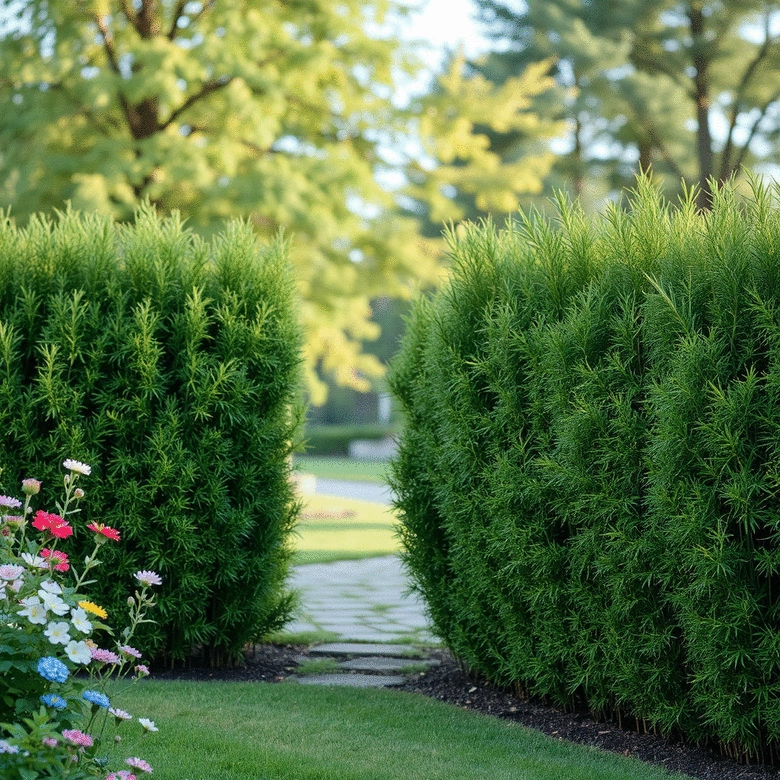
Living Fences
- Noise Reduction: 5-10 dB
- Aesthetic Appeal: High
- Environmental Benefits: Yes
Are you tired of the constant noise pollution disrupting your peace and tranquility at home? Living fences offer a beautiful and effective solution to this pervasive problem. By utilizing the natural properties of plants, you can create an oasis of calm right in your backyard!
The effectiveness of living fences in noise reduction compared to traditional barriers highlights the key advantages of natural solutions.
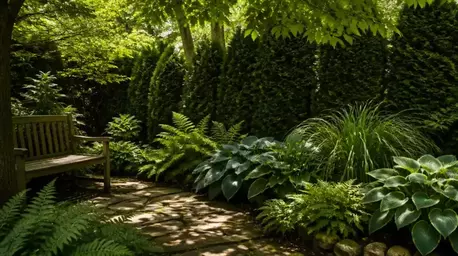
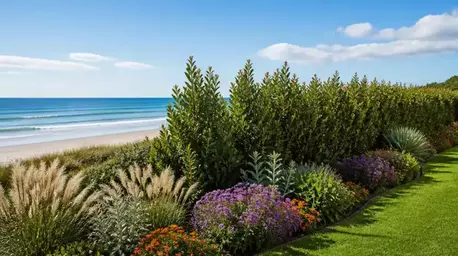
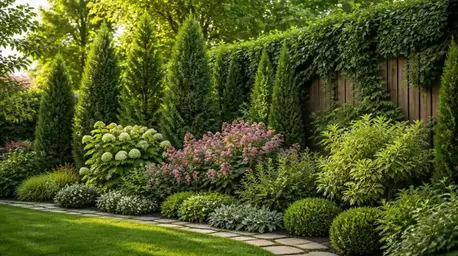
Living fences are not just beautiful borders for your yard; they can also serve as effective noise barriers. By utilizing the natural properties of trees and shrubs, these green walls have the ability to absorb and deflect sound, making your outdoor space more peaceful. Imagine sitting in your garden, free from the distractions of street noise, thanks to a well-planned living fence!
Essentially, living fences work by breaking up sound waves. When sound travels, it can bounce off hard surfaces, increasing noise levels. However, the foliage and uneven surfaces of plants help to disrupt those waves, creating a quieter environment. This is crucial for urban dwellers or anyone who lives near busy roads, where noise pollution can become overwhelming.
One of the most fascinating aspects of living fences is their ability to reduce noise levels effectively. Studies show that the right combination of height, density, and plant types can significantly lower sound levels entering your property. For instance, a dense hedge can block out more sound than a sparse one. It’s all about creating a barrier that effectively interrupts those pesky noise waves!
Here are some key ways that living fences contribute to noise reduction:
When comparing living fences to traditional noise barriers, like vinyl and composite fences, it’s essential to consider their acoustic performance. Living fences can provide a more natural aesthetic while still achieving impressive noise reduction levels. For example, a well-planted living fence can reduce noise by an average of 5 to 10 dB, depending on the plant selection and density.
In contrast, synthetic barriers may offer some noise reduction, but they often lack the aesthetic appeal of living fences. They can also be less effective in the long run due to wear and tear. Here’s how the two compare:
| Feature | Living Fences | Traditional Barriers |
|---|---|---|
| Noise Reduction (dB) | 5-10 | 3-7 |
| Aesthetic Appeal | High | Low |
| Environmental Benefits | Yes | No |
To maximize the noise-reducing capabilities of your living fence, certain factors come into play. Here are the critical elements to keep in mind:
By thoughtfully selecting your plants and considering their arrangement, you can create a living fence that not only enhances your outdoor space but also provides a quieter, more enjoyable environment.
Choosing the right plants is crucial for achieving optimal sound attenuation. Some plants are particularly well-suited for this purpose. Consider the following acoustic plants for your living fence:
These selections not only contribute to noise reduction but also add beauty and interest to your landscape. At Branch & Border, I recommend incorporating a mix of these plants for a living fence that looks and performs beautifully!
Living fences can be particularly effective in urban environments where noise pollution is a constant challenge. By employing specific design strategies, you can create an effective barrier against the hustle and bustle of city life. Here are some essential tips:
With these strategies, you can design a living fence that not only looks fantastic but also effectively mitigates urban noise pollution!
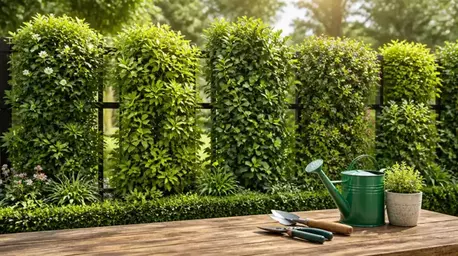
Dense foliage is key to maximizing the soundproofing capabilities of living fences. An effective approach is to create green walls, which are vertical gardens of plants that can act as powerful noise barriers. These walls can be developed using a variety of plants, ensuring a rich tapestry of textures and colors.
Benefits of creating green walls include:
In conclusion, investing in dense foliage and green walls can lead to a more serene and visually appealing outdoor environment. At Branch & Border, I’m passionate about helping clients create these beautiful, functional spaces!
Here's a brief recap of the key points discussed so far:
When it comes to enhancing your outdoor space, living fences stand out as effective noise barriers. Not only do they serve a practical purpose in blocking sound, but they also bring a touch of nature to your property! As we've explored, living fences provide numerous benefits, including noise reduction, environmental advantages, and aesthetic appeal.
To recap the *key points*: living fences are not only effective in sound absorption but also contribute positively to biodiversity and air quality. They are often more cost-effective over time compared to traditional barriers, making them a smart investment for homeowners. Choosing the right materials and plants is crucial, especially when considering height, density, and local climate. For homeowners interested in privacy, consider exploring the privacy benefits of living fences.
As we consider our landscaping options, it’s essential to prioritize *sustainable solutions*. Living fences naturally align with this goal, providing a way to reduce noise pollution while promoting the health of our environment. By choosing plants native to your region, you can ensure that your living fence thrives while supporting local wildlife.
At Branch & Border, we believe that every outdoor space can be transformed into a haven of beauty and functionality. By selecting living fences over synthetic alternatives, you’re not just improving your property; you’re making a positive impact on the planet!
I invite you to dive deeper into the world of living fences and explore the many possibilities they offer! Whether you’re a DIY enthusiast or looking for professional insight, engaging with local landscaping experts can provide valuable guidance tailored to your specific needs. For more information on plant care, check out our guide on living fence care tips.
Feel free to share your experiences with living fences, or ask questions about the best plants for your project! At Branch & Border, we love hearing from fellow landscape enthusiasts and helping you create a harmonious outdoor environment. Together, let’s transform our spaces into green sanctuaries that benefit both us and the planet.
Here is a quick recap of the important points discussed in the article:
Celia Thorne is a passionate landscape designer with over a decade of experience in creating functional and aesthetically pleasing outdoor spaces. With a keen eye for detail and a deep understanding of horticulture, Celia specializes in the strategic use of trees and shrubs to enhance properties, providing clients with practical solutions for privacy, wind protection, and visual appeal. At Branch & Border, we believe in the power of nature to transform outdoor environments into harmonious spaces that offer privacy, protection, and aesthetic appeal.
At Branch & Border, we artfully blend the science of horticulture with innovative design to create living fences, privacy screens, and windbreaks. Our passion is transforming outdoor spaces into harmonious havens that offer both beauty and functionality.
Crafting Nature's Boundaries