
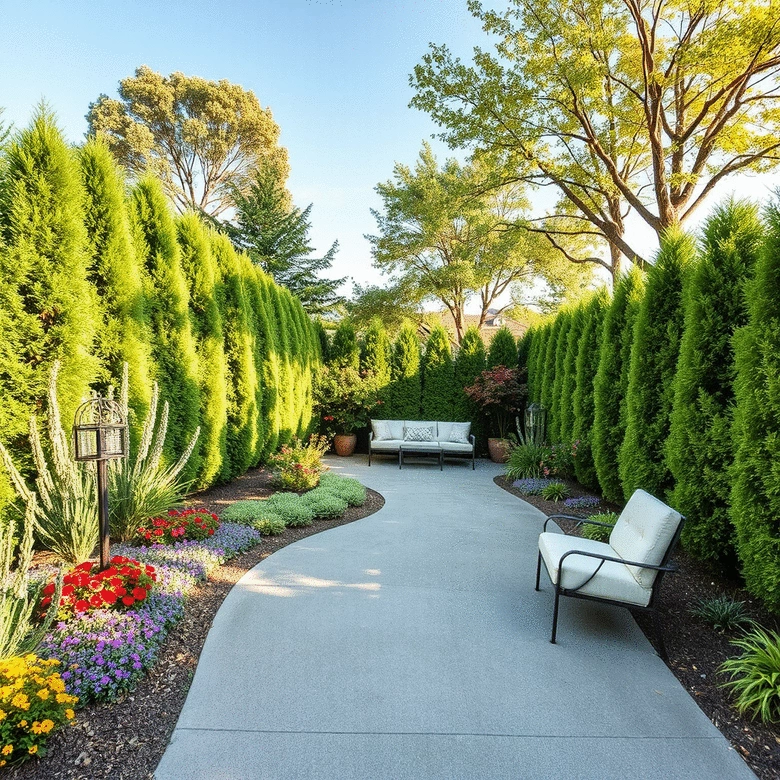
Urban Residence
Noise level reduced from 75 decibels to 50 decibels using a mix of evergreens and dense hedging.
In today's fast-paced world, noise pollution is an often-overlooked aspect of landscape design that can dramatically alter our outdoor experiences. With the right strategies, you can transform your noisy surroundings into a peaceful oasis. This article delves into how sound barriers, created with natural elements, can enhance both the aesthetic and functional qualities of your landscape.
Measurable results demonstrate the effectiveness of landscape design in reducing noise pollution. Whether you're in a bustling urban area or a serene rural setting, noise pollution can significantly affect your outdoor experience. At Branch & Border, I believe that incorporating natural elements as sound barriers enhances not only the beauty of your landscape but also its functionality. For more insights on enhancing privacy, consider exploring landscaping ideas for privacy screens.
Noise level reduced from 75 decibels to 50 decibels using a mix of evergreens and dense hedging.
Implemented layered plantings that reduced background noise by over 30%, creating a peaceful relaxation area.
Clients reported enhanced privacy and a buffer against neighborhood sounds, significantly improving outdoor experience.
As a landscape designer, I often encounter the question: why is a sound barrier important in landscape design? Whether you're in a bustling urban area or a serene rural setting, noise pollution can significantly affect your outdoor experience. At Branch & Border, I believe that incorporating natural elements as sound barriers enhances not only the beauty of your landscape but also its functionality.
Noise pollution is more than just an annoyance; it can lead to stress, disrupted sleep, and a general decrease in quality of life. Imagine sipping your morning coffee in a peaceful garden, away from the clamor of traffic or loud neighbors. This vision can become a reality by using thoughtful landscape design to create an effective sound barrier.
No matter where you live, noise pollution can have a dramatic impact on your daily life. In urban areas, the constant sounds of traffic, construction, and bustling activity can detract from your outdoor enjoyment. Meanwhile, rural areas may also face challenges from nearby highways or farms, where machinery creates unwanted noise.
Studies show that exposure to high levels of noise can lead to health issues, including anxiety and cardiovascular problems. Thus, implementing sound barriers in your landscape design is not just a stylistic choice; it's an essential step towards fostering a healthier, more serene environment. For more information on creating natural barriers, take a look at these best plants for living fences.
Creating a sound barrier with trees and shrubs offers numerous benefits beyond noise reduction. Firstly, it enhances privacy, allowing you to enjoy your outdoor space without unwanted interruptions. Secondly, it adds aesthetic value, transforming your property into a more inviting and tranquil environment.
Additionally, natural sound barriers can provide ecological benefits. They support local wildlife, improve air quality, and contribute to the overall biodiversity of your landscape. By focusing on the strategic use of trees and shrubs, Branch & Border aims to create living boundaries that serve multiple purposes, making your space both beautiful and functional.
Here's a brief recap of the key points discussed so far:
Seeing how landscape design can effectively reduce noise pollution is truly inspiring! At Branch & Border, I've had the pleasure of working on numerous projects that showcase the power of plants as natural sound barriers. For instance, a residential project in an urban environment demonstrated how the right mix of trees and shrubs could significantly diminish noise from nearby traffic. The results were remarkable, creating a peaceful oasis out of an otherwise noisy setting.
Here are some measurable noise reduction outcomes from specific projects:
Combining different elements can yield impressive results in noise reduction. One of the most effective strategies I've seen involves integrating acoustic panels into the landscape design. These panels can be cleverly disguised with climbing plants, providing both functionality and aesthetics.
Water features also play a significant role. The gentle sound of flowing water can mask unwanted noise, creating a tranquil atmosphere. Here are some ways to incorporate these elements:
Creating a sound barrier is just the beginning; maintaining it is crucial for long-term effectiveness. Regular upkeep ensures that both plants and structural elements continue to perform their noise-reduction roles. I've found that clients often overlook the importance of this aspect, but it's vital!
To keep your sound barrier in peak condition, consider these maintenance tips:
It's essential to implement strategies that support the longevity of your sound barrier. By combining proactive care with thoughtful design, you can ensure that your outdoor space remains a haven of peace. Here are some best practices I've found helpful:
While plant-based solutions are essential, combining them with structural noise control methods can yield the best results. At Branch & Border, I often advise clients to think outside the box and explore innovative approaches. Integrating landscape solutions with modern noise control technologies, such as sound barriers or specialized acoustic materials, can create a comprehensive strategy for noise reduction. For ideas on dense plantings that also serve as effective windbreaks, read our article on building dense shrub windbreaks.
Ultimately, achieving peaceful outdoor spaces requires a mix of creativity, nature, and technology. The journey doesn’t have to be complicated; it can be a collaborative effort to design an outdoor environment that invites tranquility. By taking these steps, you can transform your landscape into a serene sanctuary that not only looks beautiful but also contributes to your peace of mind! For further insights into creating natural privacy, explore the benefits of privacy benefits of living fences.
Here is a quick recap of the important points discussed in the article:
A1: Natural sound barriers offer numerous benefits including noise reduction, enhanced privacy, improved aesthetic value, support for local wildlife, and better air quality. They transform outdoor spaces into more inviting and functional areas.
A2: The level of noise reduction varies depending on the design and elements used. Real-world examples show reductions from 75 decibels to 50 decibels in urban settings, and over 30% reduction in background noise in community parks, demonstrating significant improvements.
A3: Yes, water features can play a significant role in masking unwanted noise. The gentle, consistent sound of flowing water can create a tranquil atmosphere, making other intrusive noises less noticeable.
A4: Regular maintenance is crucial for the long-term effectiveness of sound barriers. This includes pruning plants to ensure density, inspecting and replacing worn structural elements like acoustic panels, and maintaining water features to ensure they function properly and remain clean.
A5: To ensure longevity, choose native plants suited to your climate, use mulch to retain moisture and suppress weeds, and use decorative rocks or pebbles at the base of structures to prevent erosion. Combining plant-based solutions with modern noise control technologies can also enhance overall effectiveness.
Celia Thorne is a passionate landscape designer with over a decade of experience in creating functional and aesthetically pleasing outdoor spaces. With a keen eye for detail and a deep understanding of horticulture, Celia specializes in the strategic use of trees and shrubs to enhance properties, providing clients with practical solutions for privacy, wind protection, and visual appeal. At Branch & Border, we believe in the power of nature to transform outdoor environments into harmonious spaces that offer privacy, protection, and aesthetic appeal.
At Branch & Border, we artfully blend the science of horticulture with innovative design to create living fences, privacy screens, and windbreaks. Our passion is transforming outdoor spaces into harmonious havens that offer both beauty and functionality.
Crafting Nature's Boundaries