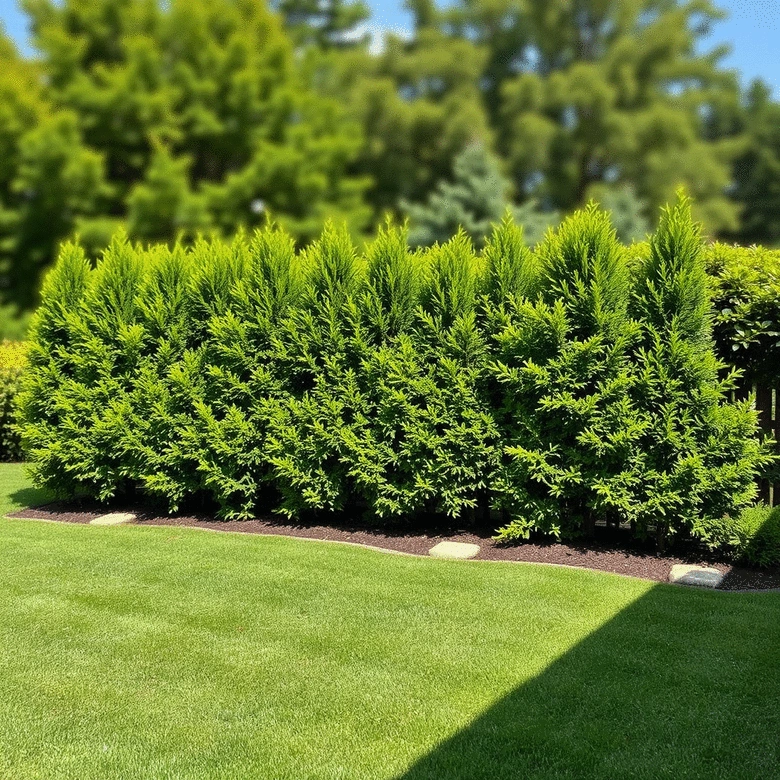
Aesthetics
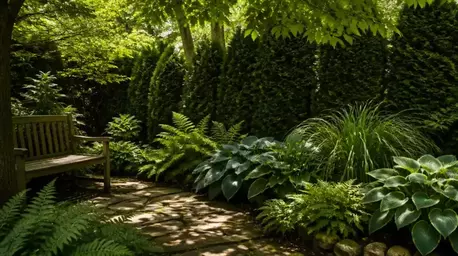
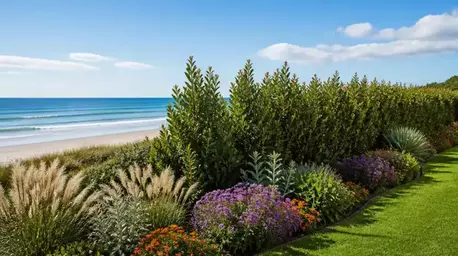
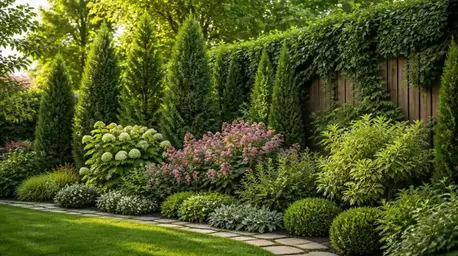
Living fences provide a natural beauty that changes with the seasons, enhancing the overall landscape.
Have you ever considered how a simple addition to your yard could transform your outdoor experience? A living fence not only enhances your privacy but also invites nature into your life in a way that's both beautiful and sustainable.
Explore the unique advantages of living fences over traditional wood fences in terms of aesthetics, privacy, and environmental benefits.
Living fences provide a natural beauty that changes with the seasons, enhancing the overall landscape.
With proper care, living fences can offer more effective privacy screening compared to wood fences.
Trees and shrubs improve air quality and provide habitats for wildlife, contributing to biodiversity.
Living fences typically require regular upkeep, while wood fences may need replacement over time.
Creating a living fence isn't just about aesthetics; it's a transformational approach to enhancing privacy in your outdoor space. At Branch & Border, we believe that a living fence can redefine not only the look of your yard but also how you experience it. Imagine stepping into your backyard and being enveloped by a lush wall of greenery that not only beautifies your environment but also acts as a natural barrier between you and the outside world.
Living fences consist of strategically placed trees and shrubs that grow together to form a dense and vibrant privacy screen. Unlike traditional fences, they offer a natural look that blends seamlessly with the landscape. When properly designed and maintained, a living fence can provide year-round privacy, protection from wind, and even habitat for local wildlife, enhancing the overall biodiversity of your garden.
A living fence can take many forms, depending on the types of plants you choose. The most common types include:
Each type of living fence brings unique characteristics, such as height, growth rate, and texture. Choosing the right combination of plants can create a beautiful tapestry that not only provides privacy but also enhances the aesthetic appeal of your outdoor space. I often encourage my clients to think about their specific needs and preferences when designing their living fences.
Why choose a living fence over traditional wooden or vinyl fences? Here are some compelling reasons:
At Branch & Border, I have seen firsthand how these benefits transform outdoor spaces. They not only create a private sanctuary but also invite nature back into our lives, making our homes feel more connected to the environment around us. Investing in a living fence is an investment in both beauty and sustainability!
Did you know? Incorporating a variety of plant species in your living fence not only enhances its aesthetic appeal but also improves its resilience against pests and diseases. Consider mixing flowering plants, evergreens, and deciduous shrubs to create a vibrant and dynamic privacy screen that attracts pollinators and provides seasonal interest!
Creating a living fence is just the beginning! To maintain its beauty and effectiveness, regular upkeep is essential. Think of it as nurturing a relationship; the more you put in, the more you get out. Regular maintenance not only ensures an inviting appearance but also guarantees that your living fence continues to provide the privacy and protection you desire.
In this section, I'll share some essential annual maintenance checklists and a seasonal calendar to help you keep your living fence thriving. Following these guidelines will keep your plants healthy and your outdoor space looking its best!
Creating a checklist for your annual maintenance will make it easier to stay on top of everything your living fence needs. Here's a handy list of tasks to consider:
By keeping this checklist handy, you can ensure that your living fence remains a stunning feature of your property for years to come. Don't hesitate to reach out to us at Branch & Border if you ever need guidance or assistance!
Understanding the seasonal needs of your plants is key to their long-term health. Here's a quick seasonal calendar to guide you through the year:
By aligning your care routine with the seasons, you'll help your living fence flourish while also enhancing your outdoor experience!
Evaluating how well your living fence is doing its job in terms of privacy is essential. As a landscape designer, I believe it’s important to keep track of height and density over time. This ensures that your fence provides the privacy you intended while also enhancing the beauty of your space.
In this section, I’ll share some methods for measuring privacy effectiveness and compare living fences to traditional wood fences.
Keeping an eye on your living fence's height and density will help you understand how well it’s working for your privacy needs. Here are a few simple ways to assess these metrics:
These quick assessments will help you make informed decisions about trimming or adding more plants to enhance the privacy of your outdoor space.
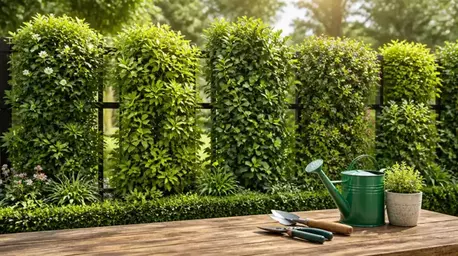
When evaluating your living fence’s effectiveness, consider using tools to make your assessment easier. Here are some helpful tools to have on hand:
By utilizing these tools, you can actively engage with your living fence and ensure it meets your privacy expectations! You can also explore our guide on choosing living fence height wisely to help with your planning.
While wood fences have long been a popular choice, living fences offer unique advantages that are hard to overlook. Here’s a quick comparison of the two:
Choosing a living fence can enhance your outdoor experience while also benefiting the environment—a win-win scenario!
Maintaining your living fence can be a rewarding journey, and I love sharing resources that make it easier! Visual aids, interactive tools, and community engagement can enhance your understanding and enjoyment.
Let’s explore some valuable resources that can assist you in caring for your living fence.
Visual aids are a fantastic way to understand complex concepts. Infographics and diagrams can help clarify:
At Branch & Border, we’re excited to create and share these tools with our community!
Interactive tools can make your living fence journey even more manageable. Consider using:
These resources can empower you to take action and make informed decisions about your living fence!
Investing in a living fence is not just about aesthetics; it’s about creating a sustainable, beautiful environment that enhances your lifestyle. With proper care and maintenance, your living fence can provide lasting privacy, protection, and joy!
As you embark on your living fence journey, remember that I'm here to help you every step of the way. Let’s cultivate your outdoor sanctuary together!
The long-term benefits of a living fence are immense, from improved air quality to increased property value. Plus, it connects us with nature, creating a space for relaxation and enjoyment. Embrace the beauty of your living fence, and watch as it transforms your outdoor space over the years. For more detailed information on care, explore our living fence care tips.
If you’re ready to enhance your property with a living fence, let’s get started! Contact us at Branch & Border for personalized advice, plant selections, and design ideas that align with your vision. Together, we can create a stunning outdoor space that offers privacy, beauty, and sustainability!
Here is a quick recap of the important points discussed in the article:
Celia Thorne is a passionate landscape designer with over a decade of experience in creating functional and aesthetically pleasing outdoor spaces. With a keen eye for detail and a deep understanding of horticulture, Celia specializes in the strategic use of trees and shrubs to enhance properties, providing clients with practical solutions for privacy, wind protection, and visual appeal. At Branch & Border, we believe in the power of nature to transform outdoor environments into harmonious spaces that offer privacy, protection, and aesthetic appeal.
At Branch & Border, we artfully blend the science of horticulture with innovative design to create living fences, privacy screens, and windbreaks. Our passion is transforming outdoor spaces into harmonious havens that offer both beauty and functionality.
Crafting Nature's Boundaries