
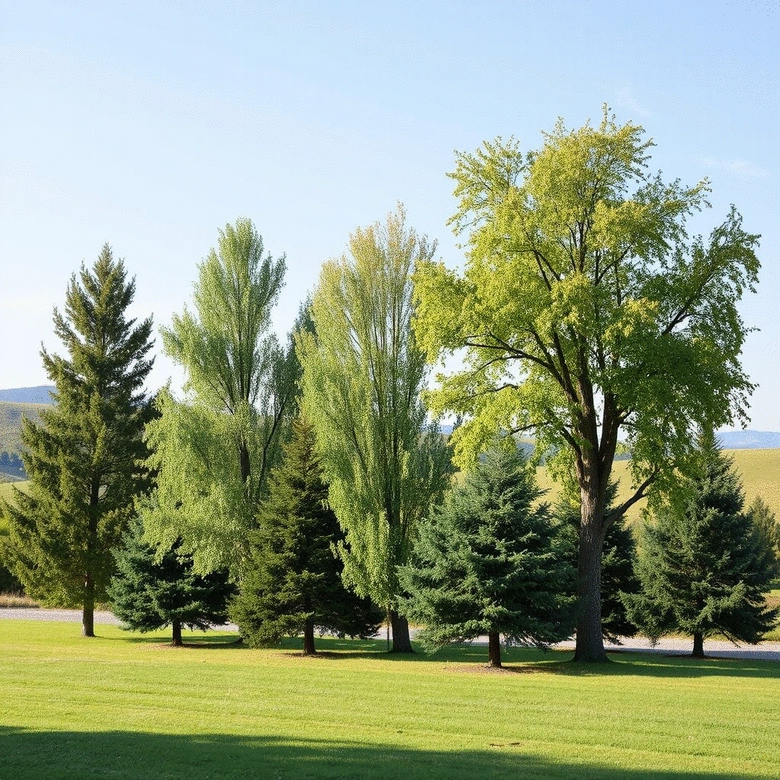
Best Fast-Growing Windbreak Trees
What if your backyard could be transformed into a peaceful haven, shielded from harsh winds and enhanced by the beauty of nature? This is the promise of effective windbreaks, which serve not only to protect your property but also to foster biodiversity and energy efficiency. Let’s delve into the essentials of fast-growing trees for windbreaks, and how they can elevate your outdoor experience.
What You Will Learn
- Windbreaks play a crucial role in landscape management, protecting against wind damage and reducing soil erosion.
- Fast-growing trees offer immediate coverage and adapt well to changing environmental conditions, enhancing both functionality and aesthetics.
- Incorporating native species in your windbreak increases resilience and supports local ecosystems, while reducing maintenance needs.
- Utilizing visual aids like planting diagrams and growth progression charts can improve planning and maintenance for effective windbreaks.
- Sustainable practices in windbreak planting contribute to environmental health and provide energy savings by reducing heating and cooling costs.
- Exploring local tree alternatives can yield effective windbreak solutions, enhancing biodiversity and the overall health of your landscape.
Growth Timelines and Benefits of Fast-Growing Trees for Windbreaks
Tracking growth and understanding the benefits of fast-growing trees can significantly enhance your windbreak strategy. Below are the key points represented visually. For more information on creating effective barriers, consider exploring privileges and benefits of living fences.
Key Growth Stages
- Month 1: Initial planting
- Month 3: First signs of growth
- Month 6: Establishing root systems
- Year 1: Reaching optimal height for wind resistance
Benefits of Fast-Growing Trees
- Immediate coverage and protection
- Adapts to environmental changes
- Enhances landscape aesthetics
- Supports wildlife habitats
Windbreak Implementation Tips
- Use native tree species for better adaptation
- Consider spacing for optimal growth
- Monitor health indicators for early intervention
- Utilize seasonal maintenance schedules
Energy Savings Potential
- Reduce heating costs in winter
- Keep living spaces cooler in summer
- Contribute to environmental sustainability
Understanding the Importance of Fast-Growing Trees for Windbreaks
When it comes to landscape management, the significance of windbreaks cannot be overstated. At Branch & Border, I often emphasize how these natural barriers play a crucial role in protecting outdoor spaces from the harsh effects of wind. Not only do they offer privacy, but they also help in reducing soil erosion and creating a more comfortable microclimate. Imagine enjoying your backyard without the relentless gusts disrupting your peace!
Windbreaks can be made up of various plant materials, including trees, shrubs, and even grasses. Their strategic placement can shield your property from wind, making it easier to maintain gardens or outdoor activities. Moreover, they can act as a habitat for wildlife, enriching your landscape with biodiversity. By carefully selecting the right plants, you can create a thriving ecosystem while enhancing the beauty of your outdoor haven.
The Role of Windbreaks in Landscape Management
Windbreaks are more than just a decorative feature; they serve essential functions in landscape management. They can protect buildings, crops, and even livestock from damaging winds. This is particularly important in areas prone to strong gusts that can uproot plants or damage structures. By understanding how to implement effective windbreaks, homeowners can significantly improve their property’s resilience. To learn more about effective windbreaks, read our guide on trees for effective windbreaks.
Additionally, well-planned windbreaks can aid in energy conservation. By slowing down wind around your home, they can help reduce heating costs in the winter and keep your living spaces cooler in the summer. This not only benefits your wallet but also contributes to environmental sustainability. It's a win-win situation!
- Protects against wind damage
- Reduces soil erosion
- Creates wildlife habitats
- Enhances energy efficiency
Benefits of Choosing Fast-Growing Trees for Wind Protection
Opting for fast-growing trees in your windbreak design can provide immediate benefits. These trees establish quickly, filling in gaps and providing coverage much sooner than slower-growing options. This can be particularly advantageous if you need to shield your property from wind in a short time frame. I’ve seen many clients at Branch & Border delighted by the swift transformation of their landscapes! For more insights on this topic, check out our article on how windbreaks save on heating costs.
Fast-growing trees are also great for adapting to changing environmental conditions. They can help form strong barriers that withstand the test of time and changing weather patterns. Furthermore, these trees not only provide wind protection but can also enhance the aesthetic appeal of your landscape. With a variety of colors, textures, and shapes, you can design a beautiful and functional living screen!
- Immediate coverage and protection
- Adapts to environmental changes
- Enhances landscape aesthetics
- Supports wildlife habitats
Interactive Poll: Your Windbreak Experience
Have you ever implemented a windbreak in your landscape? We'd love to hear about your experience!
Frequently Asked Questions About Fast-Growing Trees for Windbreaks
Q1: What are the primary benefits of installing a windbreak?
A1: Windbreaks primarily protect against wind damage, reduce soil erosion, create a more comfortable microclimate, and enhance privacy. They can also support local wildlife and contribute to energy efficiency by reducing heating and cooling costs.
Q2: Why should I choose fast-growing trees for my windbreak?
A2: Fast-growing trees provide immediate coverage and protection much sooner than slower-growing options. They adapt quickly to environmental changes and can rapidly enhance the aesthetic appeal and functionality of your landscape.
Q3: How do windbreaks contribute to energy savings?
A3: By slowing down wind around your home, windbreaks can reduce the impact of cold drafts in winter, thereby lowering heating costs. In summer, they can provide shade and reduce wind penetration, helping to keep living spaces cooler and decrease air conditioning usage.
Q4: What role do native species play in windbreaks?
A4: Native species are generally better adapted to local climates, requiring less water and fertilization. They support local ecosystems, promote biodiversity, and increase the overall resilience and sustainability of your windbreak.
Q5: What resources are available for planning and implementing a windbreak?
A5: Visual aids like planting diagrams and growth progression charts are highly recommended. Additionally, local horticultural societies, online gardening forums, reputable gardening websites, and local nurseries can provide valuable guidance tailored to your specific region and needs.
Visual Aids and Resources for Successful Windbreak Implementation
When it comes to establishing effective windbreaks, visual aids can make a world of difference! At Branch & Border, I often recommend using diagrams and progression charts to guide the planting process. These tools not only help you visualize the layout but also ensure that you're making informed decisions about spacing and species selection.
For instance, a well-designed diagram can show you how to position your trees for optimal growth. It can illustrate the ideal distances between rows and plants, enabling you to create a robust barrier against winds. Additionally, growth timelines can keep you motivated by illustrating how quickly your windbreak will develop over time!
- Planting diagrams for ideal spacing
- Growth progression charts for tracking development
- Seasonal maintenance schedules for continued health
Growth Timelines and Progression Charts
As you embark on your windbreak project, tracking growth over time is essential! Progression charts can help you monitor the health and development of your trees. It’s rewarding to see how rapidly some species thrive, and these charts can serve as a motivational tool throughout the process.
These visuals can also spotlight critical growth milestones, like the first signs of foliage or when trees reach their optimal height for wind resistance. Keeping this information on hand allows you to celebrate small victories and make necessary adjustments as your windbreak matures.
- Monthly growth assessments and tracking
- Identifying key growth stages for fast-growing trees
- Monitoring health indicators for early intervention
Exploring Native Species Options for Windbreaks
Using native species in your windbreak can significantly enhance its effectiveness and resilience. At Branch & Border, I’ve found that native trees are often better adapted to local climates, which means they tend to thrive with minimal intervention. This can save you time and resources while providing optimal wind protection!
Incorporating native trees not only supports local ecosystems but also cultivates a sense of place. It’s a beautiful way to tie your landscape to the environment around you. By choosing trees that naturally belong in your area, you promote biodiversity and create a more sustainable landscape.
Benefits of Using Native Trees in Windbreak Establishment
Why should you consider native trees for your windbreak? Here are some compelling reasons:
- Better adaptability to local weather conditions
- Support for native wildlife habitats
- Reduced need for watering and fertilization
- Enhanced aesthetic appeal within the local landscape
Highlighting Local Alternatives to Popular Species
While popular fast-growing trees like Leyland Cypress have their merits, there are local alternatives that can be just as effective! Let’s explore some of these options that I often recommend:
Examining the Role of Species like American Sycamore and River Birch
Both the American Sycamore and River Birch are excellent choices for windbreaks. They grow quickly and can provide substantial coverage against winds. Plus, their unique bark and leaves add an interesting visual element to your landscape!
Promoting Trees such as Quaking Aspen and Black Locust for Biodiversity
Then there’s the Quaking Aspen, known for its stunning fall color and ability to thrive in various soil types. The Black Locust, on the other hand, is a fast-growing tree that also offers nitrogen-fixing capabilities, improving soil health in the process. Incorporating these native species promotes biodiversity while enhancing the overall health of your landscape. For more information on using native plants for windbreaks and privacy, visit this helpful guide: Native Plants for Windbreaks and Privacy.
Encouraging Sustainable Practices in Windbreak Planting
At Branch & Border, we believe in the long-term health of our landscapes. That's why promoting sustainable practices in windbreak planting is so important! Choosing the right trees and maintaining them properly can contribute significantly to environmental health.
Environmental Impact Considerations
When planting a windbreak, consider how your choices will affect the environment. Sustainable practices, such as using native species and minimizing chemical treatments, can greatly reduce your ecological footprint. It’s all about making choices that benefit both your property and the larger community.
Energy Savings and Wildlife Habitat Contributions
Creating a windbreak isn’t just about aesthetics; it can lead to energy savings by reducing heating and cooling costs throughout the year. Additionally, a well-planned windbreak can provide vital habitats for local wildlife, creating a thriving ecosystem right in your backyard!
Conclusion and Next Steps for Aspiring Windbreak Planters
As we wrap up, I hope you’re feeling inspired to start your own windbreak journey! Remember, fast-growing trees not only shield your property from wind but also enhance its beauty and sustainability. If you're eager to learn more, I encourage you to explore resources at your local extension service or reputable gardening websites. To deepen your understanding of effective landscaping, explore landscaping ideas for privacy screens.
Summarizing Key Takeaways on Fast-Growing Trees
To recap, selecting the right fast-growing trees and incorporating native species can enhance your windbreak’s effectiveness. With the proper planning and care, your landscape will flourish, providing both beauty and protection for years to come!
Resources for Further Reading and Planting Guidance
For further guidance, I recommend consulting resources such as local horticultural societies, online gardening forums, or even visiting your local nursery. They can provide you with valuable insights tailored to your region and specific needs.
Recap of Key Points
Here is a quick recap of the important points discussed in the article:
- Windbreaks are essential for protecting landscapes from wind damage, reducing soil erosion, and enhancing energy efficiency.
- Fast-growing trees provide immediate coverage and adaptability to changing environmental conditions, enhancing both protection and aesthetics.
- Utilizing visual aids, such as diagrams and growth charts, can improve the planning and implementation of windbreaks.
- Incorporating native species in windbreak design supports local ecosystems, reduces maintenance needs, and promotes biodiversity.
- Sustainable practices in planting and maintaining windbreaks contribute to environmental health and energy savings.