
Energy Efficiency
- Lower heating costs in winter
- Maintain cooler temperatures in summer
- Reduce energy consumption
Did you know that a well-designed windbreak can enhance both your garden's aesthetics and energy efficiency? By strategically incorporating natural barriers, you can create a more comfortable outdoor space while benefiting the environment. Discover the numerous advantages of windbreaks and how they can transform your residential garden into a thriving ecosystem!
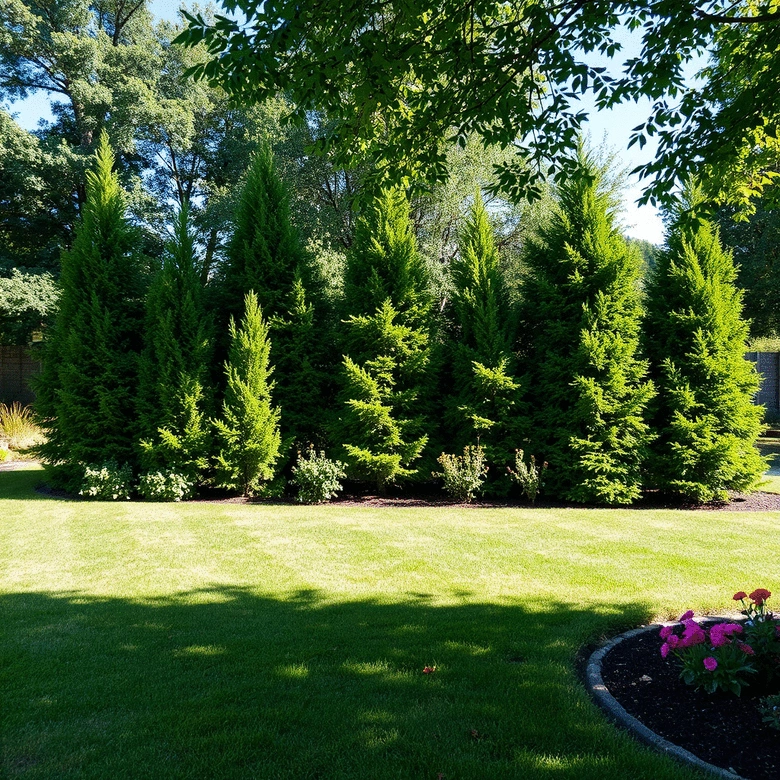
Windbreaks significantly enhance energy efficiency, create microclimates, and support wildlife. Below is a visual representation of their multifaceted benefits and design principles.
When it comes to landscaping, the strategic use of windscreens can significantly enhance your garden's overall functionality and charm. At Branch & Border, I have witnessed the remarkable transformation that windbreaks can bring to residential gardens. Not only do they provide much-needed shelter from gusty winds, but they also create cozy microclimates that can make your outdoor spaces more enjoyable all year round! To learn more about selecting the right plants for your needs, explore our guide on trees for small yard privacy.
Windbreaks serve as natural barriers, effectively reducing wind speed and protecting your plants. This protection can lead to improved energy efficiency within your home. With the right design, you can create a warm pocket in your garden that's perfect for growing delicate flowers or even productive vegetable patches. Imagine how much more comfortable it would be to enjoy your outdoor space without the chill of the wind!
One of the most compelling benefits of windbreaks is their role in enhancing energy efficiency. By blocking harsh winds, they help reduce heating costs during colder months and keep your home cooler in the summer, especially if you plant them strategically around your property. This can lead to noticeable savings on your energy bills!
Moreover, creating a microclimate can have a profound impact on your gardening experience. A well-placed windbreak can provide the ideal conditions for your plants by ensuring they receive the right amount of sunlight and protection from harsh weather. So, if you find yourself dreaming of a lush, thriving garden, investing in a windbreak might be the perfect solution! For effective plant choices, consider these trees for effective windbreaks.
Windbreaks also play a crucial role in fostering *wildlife habitats*. They provide shelter and food for a variety of birds and beneficial insects, contributing to a healthier ecosystem in your garden. As a landscape designer, I love to see how these green barriers attract pollinators, benefiting not just your plants but also the surrounding environment.
Alongside supporting wildlife, windbreaks are essential for **erosion control**. They help anchor the soil, preventing it from washing away during heavy rains or windy conditions. By integrating windbreaks into your landscape design, you can ensure that your garden remains stable and healthy, paving the way for lush plant growth.
The environmental benefits of incorporating windbreaks into your landscape design can't be overstated. They contribute to *sustainability* by reducing the need for additional heating and cooling in your home. By creating a shield from wind, you not only protect your garden but also help conserve energy, reducing your carbon footprint.
At Branch & Border, my goal is to inspire homeowners to embrace these sustainable practices. By recognizing the value of windbreaks in landscape design, we can work together to create beautiful and functional outdoor spaces that benefit both our homes and the environment. So, are you ready to experience the multitude of benefits that windbreaks can offer your garden?
Here's a brief recap of the key points discussed so far:
Designing an effective windbreak is crucial for maximizing the benefits it provides to your garden. When I work with clients at Branch & Border, I emphasize the importance of understanding your specific site conditions. This means assessing elements like soil type, existing vegetation, and, most importantly, the prevailing wind direction. By taking these factors into account, you can strategically place your windbreak for optimal efficiency! Consider exploring designing your shrub living fence for more tailored solutions.
The goal is to create a barrier that not only protects your garden from harsh winds but also enhances its overall health and aesthetic appeal. There are several principles to keep in mind when designing your windbreak, ensuring it serves its purpose effectively. Let’s explore these principles together and set you up for success!
To start your windbreak design, take a close look at your garden's layout. Here are a few tips to analyze site conditions:
Understanding these elements will help you pinpoint the best location for your windbreak. For instance, if the wind predominantly comes from the northwest, consider placing taller trees or shrubs in that direction to deflect the wind effectively.
One of the most effective strategies for windbreak design is layering. By combining different types of plants, you can create a robust barrier that not only shields your garden but also adds visual interest.
This layering effect creates a multi-dimensional barrier that maximizes protection and enhances the aesthetic appeal of your garden. It's a fantastic way to ensure that your windbreak serves multiple purposes!
The wind shadow effect is a fascinating phenomenon that occurs behind any structure or plant. Essentially, the wind shadow is the area where the wind flow is reduced due to the presence of a barrier. Understanding this can help you realize just how effective your windbreak can be!
When designing your windbreak, consider planting taller trees or structures at the forefront, as they will create a more significant wind shadow for the plants behind them. This principle is essential for maximizing the benefits your garden receives from wind protection.
Choosing the right height and density for your windbreak plants is crucial. Generally, taller trees should be planted in the back, with shorter shrubs in the front. This setup allows for a natural flow of height and space within your garden.
Here’s a simple guideline to follow:
This arrangement not only creates depth but also ensures that every plant receives adequate sunlight while providing comprehensive wind protection. For more ideas on how to create dense barriers, check out building dense shrub windbreaks.
Your windbreak's success relies heavily on selecting the right plants for your specific soil conditions. This is where a thorough site analysis comes into play. Start by checking your soil type—whether it’s sandy, clay, or loamy—and its health status.
Here are a few tips to evaluate your soil:
Armed with this information, you can choose plants that are not only suitable for your windbreak but also thrive in your garden environment. This thoughtful approach is what I strive for at Branch & Border—to create harmonious outdoor spaces that celebrate nature!
Here is a quick recap of the important points discussed in the article:
Celia Thorne is a passionate landscape designer with over a decade of experience in creating functional and aesthetically pleasing outdoor spaces. With a keen eye for detail and a deep understanding of horticulture, Celia specializes in the strategic use of trees and shrubs to enhance properties, providing clients with practical solutions for privacy, wind protection, and visual appeal. At Branch & Border, we believe in the power of nature to transform outdoor environments into harmonious spaces that offer privacy, protection, and aesthetic appeal.
At Branch & Border, we artfully blend the science of horticulture with innovative design to create living fences, privacy screens, and windbreaks. Our passion is transforming outdoor spaces into harmonious havens that offer both beauty and functionality.
Crafting Nature's Boundaries