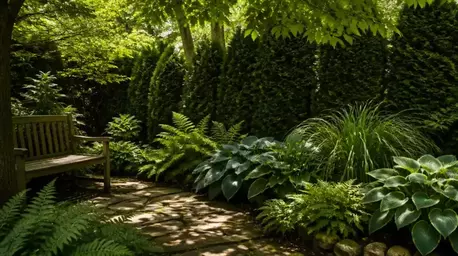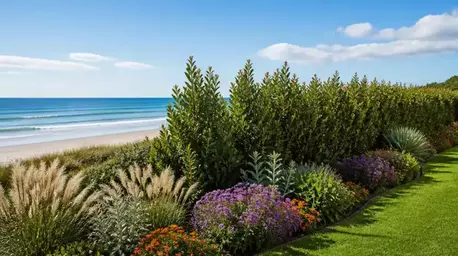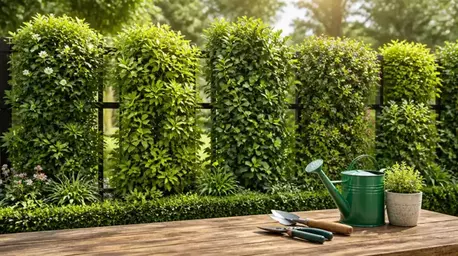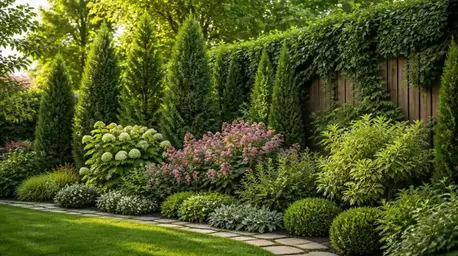
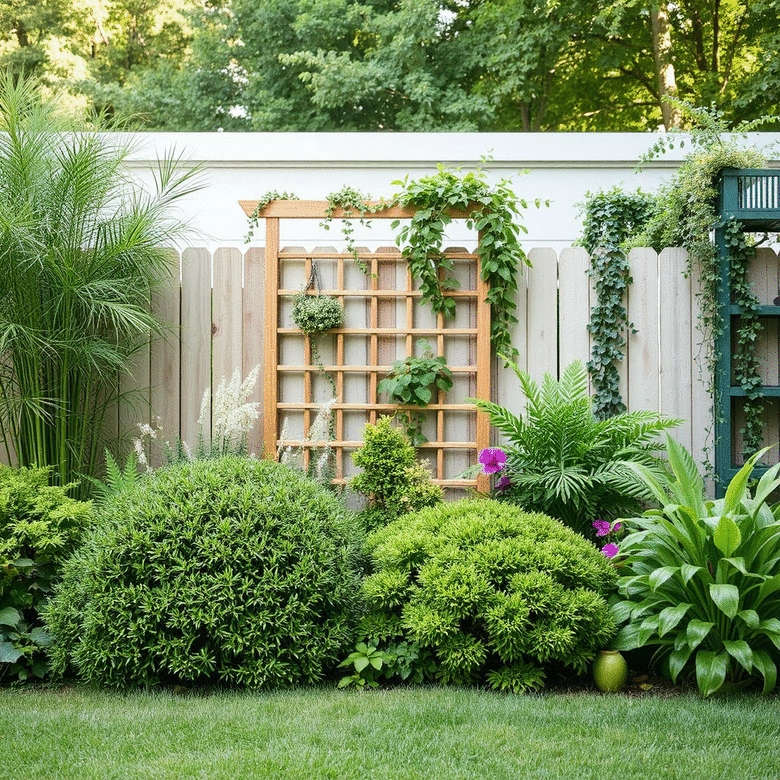
Budget Living Fence Ideas
Did you know that a well-designed living fence can enhance not just your privacy but also your property value and the local ecosystem? Discover how these eco-friendly alternatives can transform your outdoor space while promoting sustainability.
What You Will Learn
- A living fence serves as a natural barrier, providing privacy, security, and beauty while promoting biodiversity.
- Choosing native plants for your living fence not only enriches your landscape but also supports local ecosystems and improves air quality.
- Understanding local zoning laws and regulations is crucial in ensuring compliance and avoiding disputes with neighbors when installing a living fence.
- Safety considerations are important; select non-toxic and sturdy plants to create a family-friendly environment for pets and children.
- Investing in a living fence can increase your property value, lower energy costs, and enhance outdoor enjoyment through increased privacy and aesthetics.
Benefits of Living Fences for Privacy and Aesthetics
The following highlights the key benefits of living fences that enhance both privacy and visual appeal. For more detailed information on maximizing privacy, explore the privacy benefits of living fences.
Natural Beauty
Living fences provide vibrant colors and textures, transforming your outdoor space into a lush retreat.
Improved Privacy
Dense plantings block sightlines, allowing you to enjoy your backyard without feeling exposed.
Wind Protection
A well-placed living fence can act as a windbreak, making your outdoor area more comfortable during breezy days.
Wildlife Habitat
Living fences support local flora and fauna, attracting birds, butterflies, and beneficial insects.
Understanding Budget-Friendly Living Fences for Privacy
When it comes to creating privacy around your home, a living fence can be a stunning and eco-friendly solution. At Branch & Border, we believe that living fences offer much more than just greenery; they enhance outdoor aesthetics while serving practical purposes. Imagine stepping into your backyard and feeling enveloped by nature—this is the beauty that a well-planned living fence can bring!
What is a Living Fence and Its Benefits?
A living fence is essentially a boundary created from plants, often including trees and shrubs, designed to provide privacy, security, and beauty. These natural barriers are not only functional but also promote biodiversity in your outdoor space. Plus, unlike traditional fences, living fences can change with the seasons, offering a dynamic visual experience throughout the year!
Defining Living Fences as Eco-friendly Alternatives
Living fences stand out as eco-friendly alternatives to conventional fencing materials like wood or metal. They contribute to a healthier environment by improving air quality, supporting wildlife habitats, and absorbing carbon dioxide. Furthermore, selecting native plants for your living fence aligns perfectly with sustainable practices, promoting local ecosystems while beautifying your property. Consider exploring native plants for living fences to discover ideal species for your region.
Benefits of Living Fences for Privacy and Aesthetics
Aside from offering privacy, living fences enhance the aesthetic appeal of your landscape. Consider these benefits:
- Natural Beauty: Living fences can provide vibrant colors and textures, transforming your outdoor space into a lush retreat.
- Improved Privacy: Dense plantings can block sightlines, allowing you to enjoy your backyard without feeling exposed.
- Wind Protection: A well-placed living fence can act as a windbreak, making your outdoor area more comfortable during breezy days.
- Wildlife Habitat: These fences can support local flora and fauna, attracting birds, butterflies, and beneficial insects.
At Branch & Border, we’re passionate about helping you choose the right plants and designs that fit your budget and vision. With living fences, you can create a space that feels both private and open, merging functionality with beauty!
Choosing the Right Plants for Your Living Fence
Once you've decided to embrace a living fence, the next step is selecting the right plants. This choice can significantly impact the effectiveness and aesthetics of your fence. Let’s explore some fast-growing options that can provide quick results without breaking the bank!
Pro Tip
When planning your living fence, consider incorporating a mix of plant heights and textures. This not only enhances visual interest but also creates a more effective privacy barrier. For optimal results, choose a combination of evergreen and deciduous plants, ensuring year-round coverage and a dynamic landscape that changes with the seasons! You can find more ideas for shrub combinations for garden privacy to inspire your design.
Addressing Common Concerns and FAQs about Living Fences
When it comes to designing a living fence, many questions and concerns arise, especially regarding legalities and safety. As a passionate landscape designer at Branch & Border, I often hear from clients who want to ensure their projects are compliant with local regulations and safe for their families. Understanding these factors can help you confidently embark on your living fence journey.
One common area of concern is whether the plants you choose will adhere to local zoning laws. It’s crucial to check with your local government or zoning board to confirm the regulations surrounding height restrictions, plant species, and maintenance requirements. This knowledge can save you time and prevent potential disputes with neighbors.
Frequently Asked Questions about Living Fences
- Q: What is a living fence?
- A: A living fence is a natural barrier created from plants, such as trees and shrubs, designed to provide privacy, security, and aesthetic appeal to your outdoor space. They are eco-friendly alternatives to traditional fences.
- Q: What are the main benefits of installing a living fence?
- A: Living fences offer numerous benefits, including enhanced natural beauty, improved privacy, wind protection, and the creation of wildlife habitats. They also contribute to better air quality and support local ecosystems.
- Q: How do I choose the right plants for my living fence?
- A: When selecting plants, consider fast-growing options for quick results, and ideally, choose native species to support local ecosystems. It's also important to ensure plants are non-toxic, sturdy, and comply with local zoning laws.
- Q: Are there any legal considerations for living fences?
- A: Yes, it's crucial to check local zoning laws and regulations regarding height restrictions, acceptable plant species, and setback requirements from property lines. Discussing plans with neighbors can also prevent disputes.
- Q: How can I ensure my living fence is safe for pets and children?
- A: Prioritize non-toxic plants to avoid health risks, and select sturdy species that can withstand playful activity. For added security, you might consider incorporating thorny plants or dense foliage to deter trespassers.
- Q: Can a living fence increase my property value?
- A: Absolutely! A well-designed living fence can significantly increase property value by enhancing curb appeal, providing attractive natural features, lowering energy costs (through wind protection), and increasing outdoor enjoyment due to added privacy and beauty.
Legal and Zoning Considerations for Living Fences
Every municipality has its own set of rules when it comes to landscaping, especially for living fences. Understanding these regulations is essential for both aesthetics and compliance. Here are a few points to consider:
- Check local zoning laws for height restrictions on privacy screens.
- Research any limitations on plant species, especially invasive types.
- Inquire about setback requirements from property lines.
It’s also wise to discuss your plans with neighbors before you start planting. Open communication can help prevent misunderstandings and promote a positive neighborhood atmosphere. For specific guidance on plant selection, refer to resources on best plants for living fences.
Safety Considerations for Pets and Children with Living Fences
As a pet owner and parent, safety is always a top priority! When choosing plants for your living fence, consider how they will affect your family. You want to create a beautiful space that also protects your loved ones. Here are some guidelines:
- Select non-toxic plants to avoid any health risks for pets and children.
- Ensure the plants are sturdy enough to withstand playful pets or curious kids.
- Consider thorny plants or dense foliage for added safety against trespassers.
By following these safety tips, you can cultivate a family-friendly environment while enjoying the many benefits of a living fence.
Evaluating the Long-Term Value of a Living Fence
A living fence is not just a charming addition to your landscape; it can also significantly impact your property value! As I guide clients through their landscape design projects at Branch & Border, we often discuss how these natural barriers can enhance both privacy and curb appeal.
Investing in a living fence may seem daunting at first, but it’s essential to evaluate its return on investment (ROI). A well-designed living fence can:
- Increase property value by providing attractive features.
- Lower energy costs by acting as a windbreak.
- Enhance outdoor enjoyment with added privacy and beauty.
By assessing these potential benefits, you can make an informed decision about incorporating a living fence into your landscape. For more details on how these natural barriers can enhance your property, consider this resource on living fences for sustainable landscapes.
Wrapping Up: Your Living Fence Journey
As we wrap up our exploration of living fences, remember that this project can bring lasting beauty and functionality to your property. From understanding legal considerations to ensuring family safety and evaluating long-term value, each step is crucial in creating a successful living fence. I encourage you to take the leap and start envisioning how a living fence can enhance your outdoor space!
So, why wait? Let’s embark on this budget-friendly living fence journey together at Branch & Border. I’m excited to see how you transform your outdoor space into a harmonious blend of nature and privacy!
Recap of Key Points
Here is a quick recap of the important points discussed in the article:
- Living Fences Defined: A living fence is a natural barrier made from plants, providing privacy, security, and beauty.
- Eco-Friendly Alternative: Living fences improve air quality, support wildlife, and promote sustainable practices by using native plants.
- Benefits of Living Fences: They enhance aesthetics, provide improved privacy, act as windbreaks, and create habitats for local wildlife.
- Plant Selection: Choose fast-growing, non-toxic plants that comply with local zoning laws and are safe for pets and children.
- Legal Considerations: Always check local regulations regarding height restrictions, plant species, and property setbacks before planting.
- Safety First: Ensure the chosen plants are non-toxic and sturdy, and consider prickly varieties for added security.
- Long-Term Value: A living fence can increase property value, lower energy costs, and enhance outdoor enjoyment.