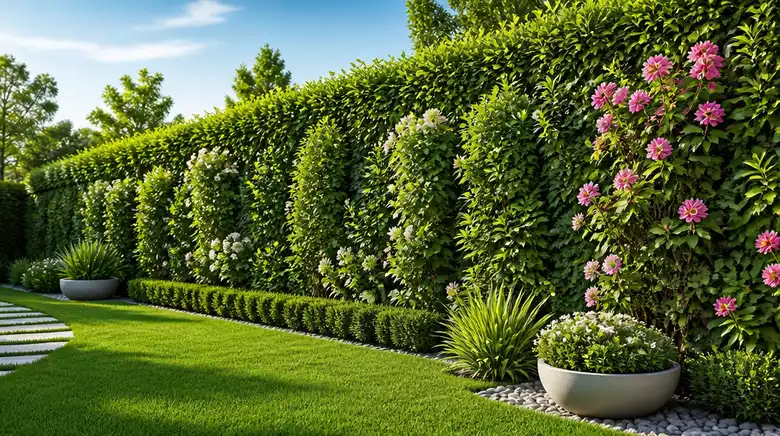
Enhance Your Yard with Living Fences
Transforming your outdoor space can be an exciting venture. With living fences, you can enhance not only the beauty of your yard but also its functionality. These natural boundaries serve multiple purposes, from providing privacy to supporting local wildlife. Ready to learn how to create your own living fence?
What You Will Learn
- Living fences offer practical benefits, including privacy, noise reduction, and aesthetic appeal, making them a versatile addition to any yard.
- Proper planning is crucial; consider factors like yard size and existing plants to choose the right approach for your landscape.
- Climate compatibility is key when selecting plants; ensure the chosen species thrive in your local conditions for long-lasting beauty.
- Creative design ideas, such as using varied heights and textures, can transform a living fence into a stunning focal point in your garden.
- Local regulations regarding plant types and heights should be checked before implementing a living fence to avoid future complications.
- Regular maintenance is essential for the longevity of your living fence, helping it to flourish over the years.
Benefits of Living Fences
Living fences enhance outdoor spaces through various key benefits:
Improved Privacy
Strategically placed plants can block views from neighbors and create a cozy atmosphere. For more on creating secluded spaces, explore creating private outdoor retreats.
Aesthetic Appeal
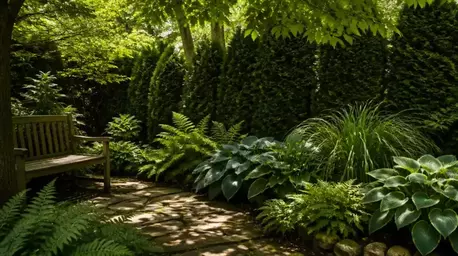
A well-designed living fence adds beauty and character to your landscape.
Biodiversity Boost
By using various plant species, you can attract birds, butterflies, and bees, vital for pollination.
Soil Health
The deep roots of many plants can help prevent soil erosion and enhance soil quality.
Transforming Your Yard with Living Fences: An Overview of Natural Boundaries
Have you ever wondered how to add beauty and function to your outdoor space? Living fences are a fantastic way to achieve both! These natural boundaries not only serve as effective privacy screens but also reduce noise and enhance the overall landscape of your yard. When designed well, they can transform your property into a serene retreat, all while contributing positively to the environment.
Understanding Living Fences and Their Benefits
Living fences are more than just rows of plants—they're a solution to various landscape challenges. These unique features can provide:
- Privacy: Strategically placed trees and shrubs can block unwanted views from neighbors.
- Noise Reduction: A well-constructed living fence can act as a barrier against sounds from nearby roads or bustling areas.
- Aesthetic Appeal: By choosing a diverse array of plants, you can create a visually stunning backdrop for your outdoor space.
At Branch & Border, I've seen firsthand how living fences offer a blend of practicality and beauty. By integrating carefully selected plants, you can define your outdoor space while enjoying the benefits of nature’s tranquility. For more on this, consider the privacy benefits of living fences.
Key Considerations for Planning Your Living Fence
Before diving into planting, it’s essential to assess your yard and its unique characteristics. Consider the following:
- Yard Size: Different properties may require different approaches. Small yards might benefit from dwarf species, while larger properties can accommodate taller trees.
- Accessibility: Make sure you can easily access your living fence for maintenance and enjoyment.
- Existing Landscape: Take note of your current plants and how a living fence can complement them.
Assessing Your Space: Small Yards vs. Large Properties
Understanding the dimensions of your yard is crucial to choosing the best living fence options. For small yards, consider using compact plants that won’t overwhelm the space, like:
- Low-growing shrubs
- Climbing vines on trellises
- Dwarf conifers
For larger properties, you have more flexibility. Taller trees can create a natural wall, while a mix of shrubs and perennials can offer depth and interest. Think about how each element will work together to create a seamless transition throughout your yard.
Climate Compatibility: Choosing Plants for Your Environment
The next step is to consider the climate where you live. Different plants thrive in varying conditions, so it’s important to choose wisely. Here are some tips:
- Assess your sunlight exposure: Is your yard mostly sunny or shaded?
- Evaluate the temperature ranges: Do you experience harsh winters or hot summers?
- Consider local rainfall patterns: How much water do your plants need to stay healthy?
By matching your plant choices to your climate, you’ll create a living fence that not only looks great but also thrives year after year! Discover more about best plants for living fences.
Inspiring Living Fence Ideas for Every Type of Property
Now that you have a grasp on the benefits and planning aspects, let’s explore some inspiring ideas that cater to different needs and styles.
Privacy-First Living Fence Concepts
If privacy is your top concern, consider these strategies for blocking views:
- Use fast-growing trees like Leyland cypress or arborvitae.
- Incorporate dense shrubs that naturally grow thick, such as boxwoods.
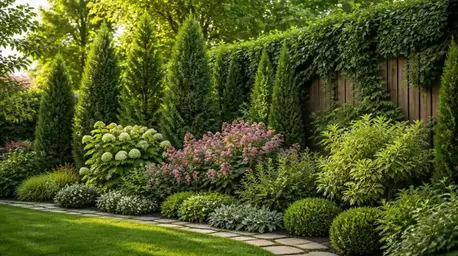
- Layer plants for varying heights to create a secluded feel.
These combinations can help you create cozy outdoor spaces that offer serenity and comfort—perfect for relaxation or entertaining!
Designing Aesthetic Living Boundaries
When it comes to aesthetics, a living fence can be a work of art! Here are some ideas to consider:
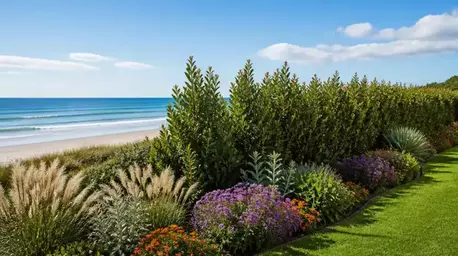
- Incorporate a mix of textures and colors to keep things visually interesting.
- Add features like arches or tunnels made from climbing plants for a whimsical touch.
- Use seasonal plants to ensure your living fence changes beautifully with the seasons.
The right design can elevate your yard, making it a beautiful extension of your home. At Branch & Border, I love helping clients explore these creative options to truly personalize their outdoor spaces!
With living fences, the possibilities are endless. By understanding their benefits, planning thoughtfully, and implementing creative ideas, you can transform your yard into a natural haven that enhances your lifestyle. Stay tuned for the next section, where we dive deeper into plant selection and practical setup tips!
Quick Summary
Here’s a brief recap of the key points discussed so far:
- Benefits of Living Fences: They provide privacy, reduce noise, and enhance aesthetic appeal.
- Planning Essentials: Consider yard size, accessibility, and existing landscape when choosing your living fence.
- Climate Compatibility: Select plants that thrive in your local climate for a sustainable and attractive living fence.
Evaluating the Impact of Living Fences on Your Yard
When it comes to enhancing outdoor spaces, living fences do more than just create boundaries. They have the potential to transform your yard into a vibrant, private sanctuary. At Branch & Border, we understand that a well-designed living fence can elevate not only the aesthetic appeal of your property but also its ecological value. By incorporating diverse plant life, we can create habitats that support biodiversity and attract essential pollinators, making your yard a thriving ecosystem!
Living fences can serve multiple purposes beyond simple privacy. They can act as beautiful green walls that reflect your personal style while offering sound insulation and wind protection. Imagine lounging in your backyard, surrounded by lush greenery that blocks out noise from the street, giving you a serene escape right at home. Isn’t that a wonderful thought?
The Role of Living Fences in Enhancing Outdoor Spaces
Living fences can significantly enhance the overall experience of your outdoor space. Here are some of the key benefits:
- Improved Privacy: Strategically placed plants can block views from neighbors and create a cozy atmosphere.
- Aesthetic Appeal: A well-designed living fence adds beauty and character to your landscape.
- Biodiversity Boost: By using various plant species, you can attract birds, butterflies, and bees, which are vital for pollination.
- Soil Health: The deep roots of many plants can help prevent soil erosion and enhance soil quality.
In my experience, the right mix of plants not only beautifies a space but also creates a habitat for wildlife. Consider how creating a living fence can transform your yard into a lush oasis while benefiting the environment. It’s a win-win!
Navigating Local Regulations and Property Boundaries
Before diving into your living fence project, it's crucial to understand your local regulations and property boundaries. Here are some essential considerations:
- Check Local Laws: Regulations may dictate the height and type of plants you can use.
- Property Lines: Make sure to know where your property ends to avoid disputes with neighbors.
- Root Growth Management: Consider how plant roots might affect nearby structures or utilities.
At Branch & Border, I always recommend consulting local guidelines and surveying your property before planting. This not only saves you potential headaches later but ensures that your living fence thrives in harmony with its surroundings. For further reading, check out Local Regulations for Living Fences.
Final Thoughts on Creating Your Ideal Living Fence
Creating your ideal living fence can be a rewarding journey that brings beauty, privacy, and ecological benefits to your yard. In the next section, we’ll summarize key takeaways about plant selection, design, and maintenance that will inspire your project.
Frequently Asked Questions About Living Fences
Q1: What are the main benefits of installing a living fence?
A1: Living fences offer numerous benefits, including enhanced privacy, noise reduction, improved aesthetic appeal, a boost to local biodiversity by attracting birds and pollinators, and better soil health through root systems that prevent erosion.
Q2: How do I choose the right plants for my living fence?
A2: Choosing the right plants involves assessing your yard's size, sunlight exposure, temperature ranges, and local rainfall patterns. It's crucial to select species that are compatible with your climate and won't overwhelm your space, especially in smaller yards.
Q3: What should I consider when planning a living fence for a small yard?
A3: For small yards, focus on compact plants like low-growing shrubs, climbing vines on trellises, or dwarf conifers. These options provide privacy and beauty without taking up too much space.
Q4: Are there any legal considerations I need to be aware of before planting a living fence?
A4: Yes, it's essential to check local regulations regarding plant height and type. You should also be aware of your property lines to avoid disputes with neighbors and consider how plant roots might affect nearby structures or utilities.
Q5: How can I ensure my living fence thrives over time?
A5: Regular maintenance is key for the longevity of your living fence. This includes choosing plants suited to your climate, proper initial planting, and ongoing care such as watering, pruning, and monitoring for pests or diseases.
Summarizing Key Takeaways for Designing Living Fences
As we think about living fences, let's recap the essential points to keep in mind:
- Choose the Right Plants: Select species that suit your climate and personal style.
- Design for Functionality: Consider how your living fence will serve your needs for privacy and aesthetics.
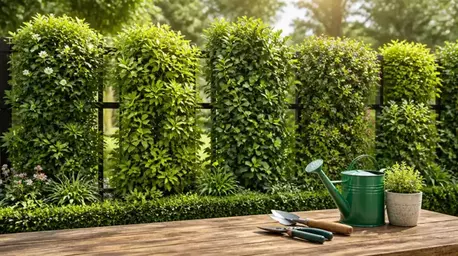
- Plan for Maintenance: Regular upkeep is essential for your living fence to thrive long-term.
By keeping these points in mind, you can create a living fence that not only enhances your property but also aligns with the natural beauty around you. For ongoing care tips, explore living fence care tips.
Engagement Opportunity: Share Your Living Fence Journey
I'd love to hear from you! Have you created a living fence, or are you considering one? Share your experiences, insights, or questions in the comments below. At Branch & Border, we believe that exchanging ideas fosters a sense of community among fellow landscape enthusiasts, and I'm excited to hear about your journey!
Recap of Key Points
Here is a quick recap of the important points discussed in the article:
- Benefits of Living Fences: They provide privacy, reduce noise, and enhance the aesthetic appeal of your outdoor space.
- Planning Considerations: Assess yard size, accessibility, and existing landscape to choose the best plants for your living fence.
- Climate Compatibility: Select plants suited to your local climate for optimal growth and sustainability.
- Design Strategies: Use a mix of plant textures, colors, and heights to create a visually appealing living fence.
- Local Regulations: Check local laws regarding plant height and property boundaries to avoid future disputes.
- Maintenance Planning: Regular upkeep is vital to ensure the longevity and health of your living fence.