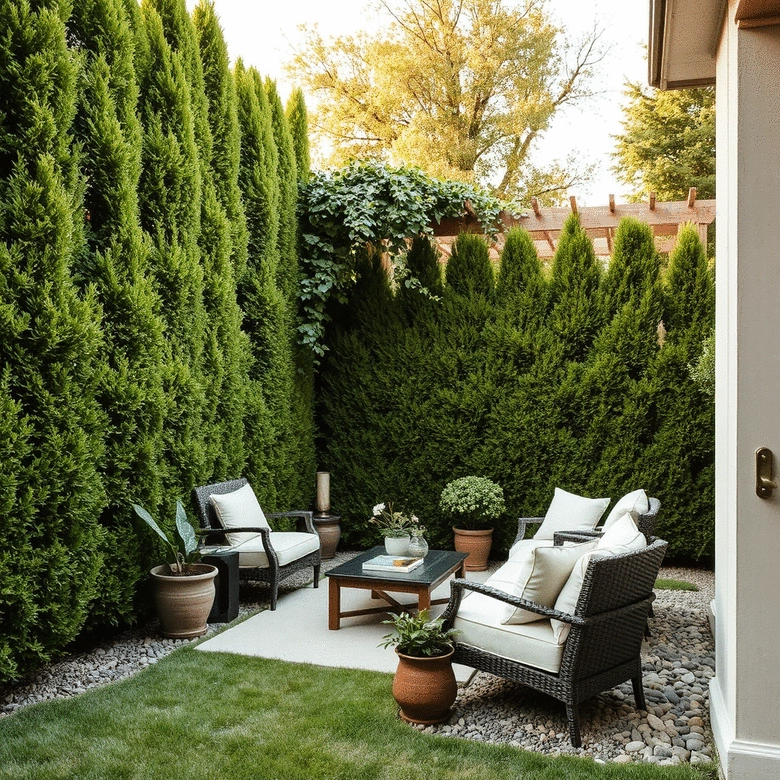
Creating Private Outdoor Retreats
Imagine sipping your morning coffee in a tranquil outdoor retreat, surrounded by nature yet shielded from the eyes of the outside world. Creating a private outdoor space is not just about aesthetics; it's about enhancing your overall well-being and connection to nature.
What You Will Learn
- The significance of privacy in outdoor design and its impact on relaxation and mental health.
- Strategies for achieving privacy in residential settings, including the use of trees, shrubs, and living fences.
- How effective privacy landscaping can enhance property value and serve as a noise buffer from disturbances.
- Tips for balancing privacy and open space in small yards using vertical planting and multi-functional furniture.
- Essential maintenance practices for privacy features, such as regular pruning and appropriate watering techniques.
- Legal considerations for privacy landscaping, including HOA restrictions, building codes, and property lines.
- The benefits of engaging with professional landscaping services for expert guidance and tailored solutions.
Key Strategies for Enhancing Privacy in Outdoor Spaces
The following visual highlights essential strategies for achieving privacy in residential settings, showcasing their benefits and effectiveness through strategic landscaping. For more ideas on how to transform your outdoor areas, explore these landscaping ideas for privacy screens.
Use of Trees and Shrubs
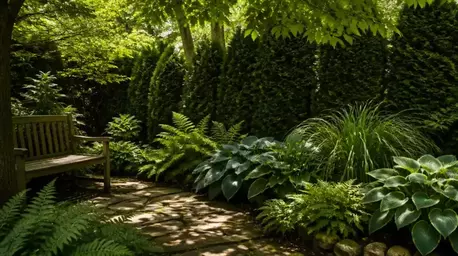
Planting dense trees or tall shrubs creates a natural barrier, enhancing privacy and creating a serene environment.
Benefits:
- Natural sound barrier
- Improves property aesthetics
- Encourages wildlife
Living Fences
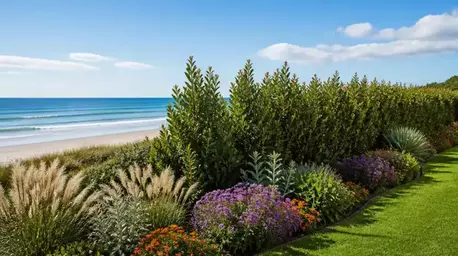
Design fences made from plants that provide both beauty and seclusion, enhancing the overall landscape.
Benefits:
- Eco-friendly option
- Varieties for different climates
- Visual appeal through diversity
Strategic Plant Placement
Position plants to block sightlines from neighboring properties, enhancing privacy without compromising space.
Benefits:
- Maximizes space utility
- Maintains openness and light
- Allows for creative landscaping
Vertical Elements
Incorporate tall plants or structures that draw the eye upward, creating the illusion of more space while providing privacy.
Benefits:
- Enhances visual interest
- Guides movement through the yard
- Can create shaded areas
Creating Private Outdoor Spaces: Essential Design Principles
When it comes to outdoor spaces, privacy is more than just a luxury; it’s a necessity. At Branch & Border, we understand that having a private retreat can significantly enhance your outdoor experience. Whether you’re enjoying a quiet moment with a book or hosting a lively gathering with friends, the right design elements help create a sense of seclusion that makes your space feel like an oasis.
Privacy landscaping is not only about hiding from the outside world; it’s about crafting an environment where you feel comfortable and at ease. This is especially important in residential settings, where busy streets or close neighbors can make you feel exposed. By incorporating strategic design principles, you can transform your yard into a sanctuary that reflects your personality and serves your lifestyle.
Understanding the Importance of Privacy in Outdoor Design
Privacy in outdoor design allows you to enjoy your space without distractions. Imagine sipping a morning coffee without the eyes of passersby on you! It promotes relaxation and a sense of belonging, making your outdoor area a true extension of your home.
Moreover, the psychological benefits of a private outdoor space are profound. Studies suggest that having a secluded area can reduce stress and enhance overall well-being. By prioritizing privacy in your landscape design, you’re not just improving aesthetics; you’re investing in your mental health and quality of life. Learn more about the privacy benefits of living fences to transform your outdoor area.
Exploring Privacy in Residential Settings
In residential settings, there are various ways to achieve privacy. Here are some effective strategies:
- Use of Trees and Shrubs: Planting dense trees or tall shrubs can create a natural barrier.
- Living Fences: Design a fence made from plants that provides both beauty and seclusion.
- Strategic Plant Placement: Position plants to block sightlines from neighboring properties.
By utilizing these strategies, you can cultivate a yard that feels uniquely yours, allowing you to enjoy your outdoor moments without feeling watched.
Benefits of Privacy Landscaping beyond Aesthetics
Enhancing privacy through landscaping offers numerous benefits beyond just looks. Firstly, it can significantly improve property value. Homebuyers often look for spaces that provide a sense of sanctuary, making your home more appealing. Secondly, effective privacy landscaping can act as a noise buffer, reducing disturbances from nearby roads or neighbors.
Lastly, a well-designed private area can foster a stronger connection with nature. By incorporating trees and shrubs, you create a habitat for wildlife, which can enrich your outdoor experience. At Branch & Border, we love to see how privacy designs not only beautify properties but also integrate seamlessly with the natural environment.
Balancing Privacy and Open Space in Small Yards
When working with small yards, achieving the right balance between privacy and open space can be tricky. However, thoughtful design can help maximize what you have! Start by assessing your space and identifying areas where privacy is most needed while ensuring that your yard doesn’t feel cramped.
Utilizing vertical elements can be an effective strategy. Tall plants or structures can draw the eye upward, creating the illusion of more space while providing the privacy you desire. Additionally, incorporating pathways and seating areas can guide movement through your yard, making it feel larger and more inviting. For small outdoor spaces, consider exploring trees for small yard privacy to effectively balance seclusion with aesthetics.
Designing with Space Perception in Mind
To make the most of limited space, consider these design tips:
- Vertical Planting: Use trellises or vertical gardens to add height without sacrificing floor space.
- Mirrors: Strategically place mirrors to reflect light and create an illusion of depth.
- Multi-functional Furniture: Choose furniture that can serve more than one purpose, such as storage benches.
Each of these elements can help create a cozy yet open environment that feels both private and spacious!
Multi-layered Approaches to Achieve Privacy
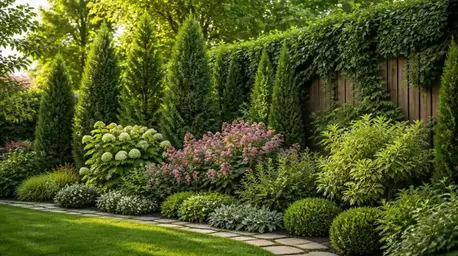
A multi-layered approach to landscaping can effectively address privacy concerns in small yards. This involves using various types of plants and structures at different heights to create depth and interest. For instance, placing taller trees at the back, medium shrubs in the middle, and ground cover in the front creates a visually appealing barrier.
Incorporating hardscaping elements, such as stone walls or decorative fences, can also enhance privacy while adding character to your yard. At Branch & Border, I often find that combining these strategies not only elevates privacy but also contributes to the overall beauty and functionality of the space.
Pro Tip
Did you know? Incorporating a mix of evergreen and deciduous plants can enhance your privacy year-round while adding seasonal interest. Evergreens provide consistent coverage, while deciduous plants can offer vibrant colors in the fall and interesting shapes in winter, helping your outdoor space feel alive throughout the year.
Addressing Common Questions About Outdoor Privacy Design
When it comes to designing outdoor spaces, many of us have questions that pop up repeatedly. At Branch & Border, we often hear from homeowners eager to create their own private retreats. Understanding the common queries can help guide you in making informed decisions about your landscape.
From selecting the best plants to maintaining privacy features, I’m here to provide insights that can make your outdoor experience both enjoyable and private. Let’s dive into some frequently asked questions!
Frequently Asked Questions on Outdoor Privacy Solutions
One of the most common questions I encounter is about the types of plants that provide optimal privacy. While there are many options, it’s essential to choose those that suit your garden's conditions. Here are some top contenders:
- Bamboo: Fast-growing and dense, perfect for a tropical feel.
- Boxwood: A classic choice for formal hedges, it’s versatile and easy to shape.
- Privet: Known for its dense foliage, it grows quickly and creates a robust screen.
- Arborvitae: These evergreen trees add year-round privacy and beauty.
Maintaining these plants is also a concern for many. Regular trimming, adequate watering, and feeding will help keep them healthy and dense. It’s all about creating a thriving environment that offers both beauty and privacy!
What are the Best Plants for Privacy Screening?
When selecting plants for privacy screening, consider your climate, soil type, and how much sunlight your space receives. It’s important to choose plants that not only look good but also thrive in your specific conditions. Here’s a quick guide:
- Evergreens: Great for year-round coverage.
- Fast-growing shrubs: Such as Leyland cypress, can provide quick results.
- Native plants: They tend to require less maintenance and are more resilient.
Always think about the long-term care of your plants! By selecting the right ones, you can enjoy a lush screen without excessive upkeep.
How Do I Maintain Privacy Features in My Yard?
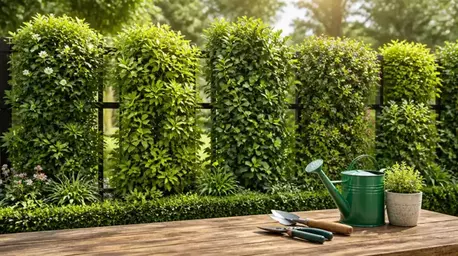
Maintenance of your privacy features can vary depending on the plants and structures you choose. Here are some key maintenance tips to remember:
- Regular Pruning: Helps maintain shape and promote new growth.
- Watering: Ensure adequate moisture, especially in dry spells.
- Mulching: Conserves moisture and suppresses weeds around your plants.
By staying on top of these tasks, your privacy features will flourish, enhancing both the look and functionality of your space.
Legal and Zoning Considerations for Privacy Landscaping
While beautifying your outdoor space, it’s crucial to stay informed about the legal aspects of privacy landscaping. This includes understanding local regulations and potential restrictions that could affect your design. Here are some factors to consider:
- HOA Restrictions: Check with your homeowners association for any guidelines.
- Building Codes: Familiarize yourself with local laws that may govern fence height and placement.
- Permits: Some structures may require permits; always verify before proceeding.
By navigating these considerations, you can ensure your privacy improvements are compliant and stress-free. At Branch & Border, we always recommend double-checking these factors before starting any project! For further details on legal aspects, refer to resources on choosing living fence height wisely.
Understanding HOA Restrictions and Local Building Codes
HOA rules can vary widely, so it's essential to obtain and review your specific guidelines. These documents often detail what is permissible, which can include:
- Types of fencing materials allowed
- Height restrictions for trees and shrubs
- Design aesthetics that align with community standards
Being proactive about these rules helps avoid potential fines or necessary removals later on!
Permits and Regulations for Privacy Structures
Depending on the nature of your privacy enhancements, permits may be required. Here are some structures that typically need a permit:
- Fences above a certain height
- Permanent outdoor structures, such as pergolas or gazebos
- Retaining walls or earthwork
Staying informed allows you to create your dream outdoor space without the worry of legal complications!
Privacy Laws and Property Lines: What You Need to Know
Understanding your property lines is essential when designing for privacy. You want your plants and structures to stay within your boundaries to prevent disputes with neighbors. Consider these points:
- Always confirm your property line through a survey if unsure.
- Keep a distance from neighboring properties to avoid encroachment.
- Communicate with neighbors about your plans to maintain good relationships.
By taking these steps, you can design an outdoor space that respects boundaries while achieving that coveted privacy! For more guidance on maintaining your privacy features, check out our tips on maintaining your living fence.
FAQs on Outdoor Privacy Design
- Q: Why is privacy important in outdoor design?
- A: Privacy in outdoor design enhances relaxation, reduces stress, and fosters a sense of belonging, making your outdoor area a true extension of your home. It allows you to enjoy your space without distractions and improves overall well-being.
- Q: What are some effective strategies for enhancing privacy in residential settings?
- A: Effective strategies include planting dense trees and tall shrubs, creating living fences from plants, and strategically positioning plants to block sightlines from neighboring properties.
- Q: How can privacy landscaping benefit my property beyond just aesthetics?
- A: Beyond aesthetics, privacy landscaping can significantly improve property value, act as a noise buffer reducing disturbances, and foster a stronger connection with nature by attracting wildlife.
- Q: How can I balance privacy and open space in a small yard?
- A: In small yards, utilize vertical elements like tall plants or structures, incorporate vertical planting (e.g., trellises), use mirrors to create an illusion of depth, and choose multi-functional furniture to maximize space and privacy.
- Q: What are the key maintenance practices for privacy features?
- A: Key maintenance practices include regular pruning to maintain shape and promote new growth, adequate watering, and mulching to conserve moisture and suppress weeds.
- Q: What legal considerations should I be aware of for privacy landscaping?
- A: It's crucial to check for HOA restrictions, familiarize yourself with local building codes regarding fence height and placement, verify if any permits are needed for structures, and understand your property lines to avoid disputes with neighbors.
Summarizing Key Insights for Designing Private Outdoor Spaces
As we explore the realm of outdoor privacy design, it’s clear that a thoughtful approach is key. From choosing the right plants to navigating legal considerations, understanding the full scope of privacy landscaping ensures a successful outcome.
At Branch & Border, we emphasize the importance of a comprehensive design that aligns with both your needs and local regulations. By keeping these insights in mind, you can create a lush sanctuary that invites relaxation and enjoyment all year round.
Encouraging Action Towards Your Outdoor Privacy Goals
Ready to take the next step in enhancing your outdoor privacy? Here’s a handy checklist to guide your journey:
- Assess your current privacy situation.
- Determine your goals and preferences for the space.
- Research plants and structures that meet your needs.
- Consult local regulations and HOA guidelines.
- Engage with professionals for tailored solutions.
By completing this checklist, you’ll be well on your way to crafting an inviting and private outdoor space! And don't forget, engaging with professional landscaping services like Branch & Border can elevate your results even further.
Privacy Assessment Checklist: Steps to Take for Optimal Design
Here’s a quick recap of the essential steps to consider when designing your privacy features:
- Evaluate your landscape’s current layout.
- Identify areas needing privacy and protection.
- Choose appropriate plant species and structural elements.
- Factor in legal requirements and neighborhood guidelines.
- Plan for long-term maintenance and care.
By following these steps, you’ll ensure that your outdoor space is not just beautiful, but also a private haven! At Branch & Border, we are excited to help you transform your vision into reality.
Engaging with Professional Landscaping Services for Enhanced Solutions
Ultimately, working with professionals can simplify the process and provide expert insights tailored to your unique space. Here are some benefits of collaborating with a landscaping service:
- Expertise: Professionals bring knowledge about plant selection and design principles.
- Design Support: They can help visualize your dream space through innovative designs.
- Time-Saving: Professionals can manage the project from start to finish, allowing you to focus on enjoying your space.
So, why wait? Let’s work together to create the outdoor sanctuary you’ve always dreamed of! Your perfect private oasis is just a consultation away.
Recap of Key Points
Here is a quick recap of the important points discussed in the article:
- Privacy landscaping is vital for creating a comfortable and relaxing outdoor space.
- Utilize dense trees and shrubs, living fences, and strategic plant placement to enhance privacy in residential settings.
- Beyond aesthetics, privacy landscaping can boost property value, act as a noise buffer, and connect you with nature.
- In small yards, use vertical planting, mirrors, and multi-functional furniture to balance privacy with open space.
- A multi-layered approach to landscaping enhances privacy and adds depth to your yard.
- Stay informed about local regulations and HOA restrictions to ensure compliance with your privacy enhancements.
- Regular maintenance of plants and structures is essential for sustaining privacy features over time.
- Engaging with professional landscaping services can provide tailored solutions and expert guidance in achieving your privacy goals.