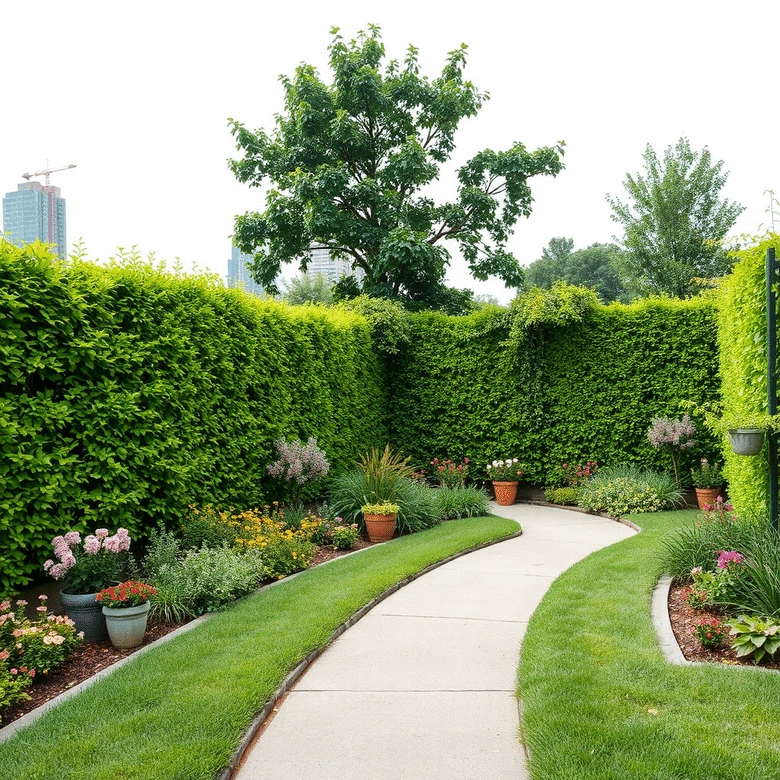
Privacy
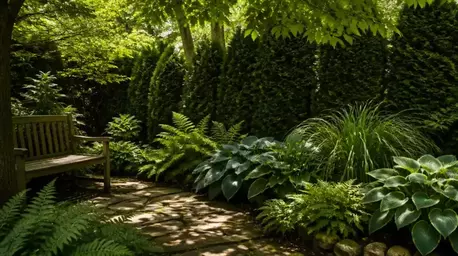
Creates a secluded atmosphere, allowing enjoyment of your space without prying eyes.
As urban areas continue to grow, the need for sustainable landscaping options becomes more critical. Living fences not only provide beauty and privacy but also contribute positively to the environment. Discover how integrating nature into your urban space can transform your surroundings and nurture a connection with the ecosystem.
Explore the key advantages of integrating living fences into your urban garden space.
Creates a secluded atmosphere, allowing enjoyment of your space without prying eyes.
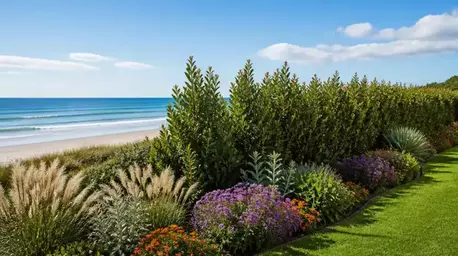
Enhances the beauty of the garden with various colors and textures.
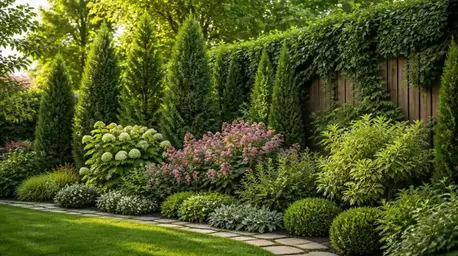
Contributes to urban biodiversity and improves air quality.
Once established, many plants require less upkeep than traditional fences.
Living fences are more than just a trendy landscaping option; they offer a sustainable alternative to traditional barriers in urban environments. At Branch & Border, I believe that integrating nature into our daily lives not only beautifies our spaces but also fosters a connection with the environment. A living fence consists of trees, shrubs, or other plants that create a natural border, providing both functionality and visual appeal! To learn more about specific plant choices, explore best plants for living fences.
So, what exactly is a living fence? It's a boundary created using living plants that can define spaces, block views, and even provide wildlife habitats. Unlike conventional fences made from wood or metal, living fences are eco-friendly, offering numerous benefits while enhancing your garden's character. This approach aligns perfectly with my commitment to sustainability at Branch & Border, prioritizing nature in design.
Living fences can be tailored to fit any space and climate. They evolve over time, growing denser and more beautiful, giving you a dynamic landscape that changes with the seasons. When planned thoughtfully, they can serve as effective windbreaks and noise barriers, making them an excellent choice for urban settings!
Choosing a living fence for your urban garden comes with a host of benefits. Here are some key advantages that I often highlight to my clients:
One of the most sought-after benefits of living fences is the increased privacy they provide. Imagine enjoying a peaceful evening in your backyard, surrounded by lush greenery rather than a stark, tall fence. Living fences can create a calming atmosphere while adding vibrant colors and textures to the landscape. Incorporating a mix of shrubs and trees allows you to achieve a layered look, enhancing both privacy and visual interest. For ideas on creating secluded spaces, consider landscaping ideas for privacy screens.
To maximize aesthetic appeal, consider incorporating plants that bloom at different times of the year. This approach ensures your living fence looks beautiful throughout the seasons, offering a constantly changing palette for you and your guests to enjoy!
Living fences are incredibly effective at dampening noise, especially in bustling urban areas. The combination of leaves, branches, and dense plant growth can absorb sound, creating a quieter sanctuary right outside your window. This is particularly beneficial for those living near busy streets or construction sites. You can also explore landscaping for noise reduction to further enhance your tranquil space.
Moreover, these natural barriers contribute positively to the environment. They help combat air pollution, improve local biodiversity, and can even provide habitats for urban wildlife. By choosing a living fence, you're making a choice that benefits both your personal space and the greater community!
Another significant advantage of living fences is their low maintenance nature. Once established, many plants are resilient and adapt well to their surroundings. This means less time spent on upkeep and more time enjoying your outdoor space! Incorporating native plants into your living fence design can further reduce maintenance needs, as they are already well-suited to the local environment.
Additionally, living fences play a role in carbon sequestration. They absorb carbon dioxide from the atmosphere, helping to combat climate change. By planting a living fence, you're not only beautifying your surroundings but also contributing to a healthier planet!
Here's a brief recap of the key points discussed so far:
Here are some common questions about living fences to help you further understand their benefits and implementation.
As we dive deeper into the world of living fences, it’s essential to address some common questions that arise, especially for those of us navigating urban environments. Implementing a living fence can seem daunting due to space constraints or city regulations, but don't let that discourage you! Here are some insights to help you overcome these challenges.
One of the first hurdles is understanding how to design a living fence that complements the urban landscape while still providing the benefits you seek. Considerations like local zoning laws, property lines, and available sunlight are critical. In my experience, a well-planned approach can lead to a flourishing space that integrates beautifully with your home.
When creating a living fence in an urban setting, it’s important to be creative and strategic. Here are some tips to guide you through the process:
These strategies not only allow for a successful living fence but also add a unique touch to your urban garden, making it truly your own! Remember, creativity can turn challenges into opportunities.
Managing pests and diseases is crucial for the health of your living fence. Urban environments can present specific challenges, but with the right precautions, you can keep your plants thriving. Here are some effective management strategies:
By staying vigilant and proactive, you can cultivate a healthy living fence that enhances your urban oasis. Plus, it feels great to nurture plants that contribute positively to the environment!
Water conservation is a vital aspect of maintaining a living fence, especially in urban areas where water may be limited. Thankfully, there are several strategies you can employ to ensure your plants receive sufficient hydration without wasting resources:
By implementing these strategies, you not only support the health of your living fence but also play a part in conserving water for your community! It’s a small step that can lead to significant impact.
Healthy soil is the foundation of a successful living fence. To ensure your plants flourish, maintaining soil health is key. Here are some effective practices to consider:
Taking these steps not only supports your living fence but also contributes to a healthier urban ecosystem. Remember, investing in your soil is investing in the beauty and functionality of your outdoor space! For more detailed guidance, consider visiting a local garden center.
As you embark on your journey to create a living fence, understanding these common questions will empower you to make informed decisions. With a little planning and creativity, your urban garden can become a vibrant sanctuary filled with beauty, privacy, and sustainability. At Branch & Border, we’re here to help you every step of the way!
Here is a quick recap of the important points discussed in the article:
Celia Thorne is a passionate landscape designer with over a decade of experience in creating functional and aesthetically pleasing outdoor spaces. With a keen eye for detail and a deep understanding of horticulture, Celia specializes in the strategic use of trees and shrubs to enhance properties, providing clients with practical solutions for privacy, wind protection, and visual appeal. At Branch & Border, we believe in the power of nature to transform outdoor environments into harmonious spaces that offer privacy, protection, and aesthetic appeal.
At Branch & Border, we artfully blend the science of horticulture with innovative design to create living fences, privacy screens, and windbreaks. Our passion is transforming outdoor spaces into harmonious havens that offer both beauty and functionality.
Crafting Nature's Boundaries