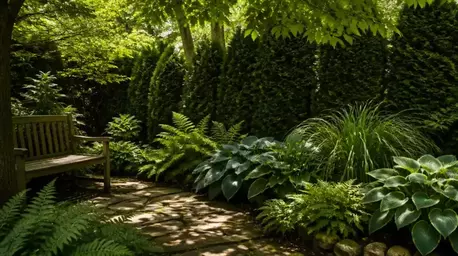
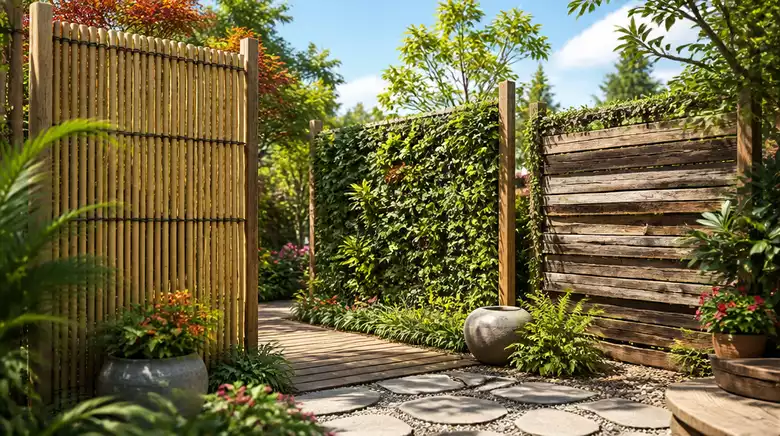
Enhances Relaxation and Comfort
Creating a personal retreat where you can unwind and enjoy nature.
As our world increasingly prioritizes environmental health, understanding how to create sustainable outdoor spaces becomes essential. With the right practices, you can transform your garden into a sanctuary that serves both personal comfort and ecological balance.
Explore the multifaceted advantages of integrating sustainable privacy screens into your outdoor spaces.
Creating a personal retreat where you can unwind and enjoy nature.
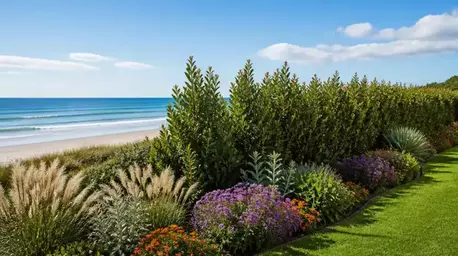
Natural barriers can significantly diminish unwanted noise from outside.
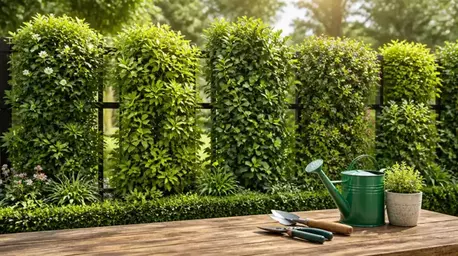
Strategic placement of plants offers a natural deterrent against intruders.
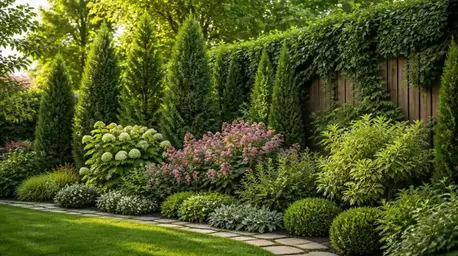
Thoughtful landscaping can enhance aesthetic appeal and market value.
In today's world, creating a private outdoor space is more than just a trend—it's a necessity. Privacy in landscaping allows us to enjoy our gardens and yards without feeling exposed to the outside world. At Branch & Border, I understand how essential it is to have a sanctuary where you can relax, entertain, or simply connect with nature. Let’s delve into the importance of privacy in our outdoor environments!
Having a private outdoor space can significantly enhance your quality of life. A well-thought-out landscaping design can transform your garden into a personal retreat where you can unwind away from the hustle and bustle of everyday life. Privacy screens not only block unwanted views but also help reduce noise, making your outdoor experiences more enjoyable. For more ideas on how to create secluded outdoor areas, check out these landscaping ideas for privacy screens.
Moreover, privacy can play a role in safety and security. A thoughtful arrangement of trees and shrubs can act as a natural barrier, deterring intruders and providing a sense of safety. It's a win-win for enhancing both aesthetics and functionality!
When considering privacy solutions, it’s crucial to think about the environmental impact of traditional fencing methods. Conventional fences, often made from materials like vinyl or treated wood, can contribute to deforestation and the depletion of natural resources. Plus, the production and disposal of these materials can generate a significant carbon footprint.
At Branch & Border, I advocate for sustainable practices that prioritize the well-being of our planet. By using trees and shrubs as living screens, we not only create beautiful privacy solutions but also promote biodiversity and reduce pollution. This shift towards sustainability makes a positive difference for our environment and enhances the beauty of our landscapes. Learn more about the advantages of living fences vs. traditional fencing.
In conclusion, understanding the need for *sustainable privacy screens* is vital for both personal comfort and environmental health. By focusing on creating green solutions, we can enjoy our outdoor spaces while nurturing the planet. As we move forward in this article, let’s explore the key sustainable practices that will help you achieve beautiful and effective privacy screens!
When selecting plants for your living privacy screen, consider incorporating a variety of species. This not only enhances visual interest but also promotes biodiversity. Mixing evergreens with flowering shrubs can provide year-round coverage and seasonal beauty, ensuring your privacy screen remains vibrant throughout the year!
Creating a sustainable privacy screen can feel overwhelming, but it doesn’t have to be! At Branch & Border, I often get asked about the best ways to create living privacy fences that look great and serve a practical purpose. Let's dive into some of the most common questions and provide clear answers to guide you on your landscaping journey.
Establishing a living privacy fence is a rewarding project that can transform your outdoor space. The timeline can vary depending on the plants you choose, but generally, the process involves several key steps:
By following these steps, you can create a lush, green barrier that not only offers privacy but also enhances the beauty of your property! For detailed guidance on plant selection, explore selecting plants for privacy screens.
Before diving into your landscaping project, it’s essential to check local zoning regulations regarding privacy screens. These regulations often dictate:
Each municipality may have different rules, so I recommend checking with your local zoning office or their website. Understanding these regulations will ensure that your beautiful living fence is compliant and avoids any potential headaches down the road!
At Branch & Border, I believe in the power of community and sharing knowledge about sustainable landscaping. Engaging with others can inspire new ideas and provide valuable insights, making your gardening journey more enjoyable.
To help you on your path to building a sustainable privacy screen, I've put together a handy checklist. This list will guide you through the essential steps:
This checklist is an easy way to ensure you cover all your bases while creating your privacy screen!
Have you recently embarked on a landscaping project? I’d love to hear about your experiences with creating privacy screens or any other sustainable gardening efforts. Sharing your success stories can be incredibly motivating for fellow enthusiasts. Consider:
By exchanging stories, we can collectively inspire each other and cultivate a vibrant community of sustainable landscaping advocates!
Another fantastic way to engage with your community is through promoting local community gardens or habitat restoration efforts. These initiatives not only provide valuable green space but also enhance biodiversity and sustainability in your area. You can:
By participating in these efforts, you’re not just creating a beautiful outdoor space, but also contributing to a healthier planet! For more information on how to support local initiatives, explore how living fences contribute to sustainable landscapes.
As we wrap up, it's clear that choosing sustainable privacy solutions brings numerous benefits. Not only do these options enhance your outdoor space, but they also contribute positively to the environment. By embracing sustainable practices, we can all play a part in fostering a greener future.
From improving air quality to providing habitat for wildlife, sustainable privacy screens are a win-win. They offer an effective way to create boundaries while enhancing the beauty of your landscape. Plus, they often require less maintenance compared to traditional fencing!
Are you ready to transform your outdoor space? I encourage you to take the first step today! Whether it's planting a living fence or exploring eco-friendly materials, every small effort counts. Let’s work together toward creating beautiful, sustainable landscapes that we can all enjoy! Discover how to choose the best plants for living fences to get started.
Here is a quick recap of the important points discussed in the article:
Celia Thorne is a passionate landscape designer with over a decade of experience in creating functional and aesthetically pleasing outdoor spaces. With a keen eye for detail and a deep understanding of horticulture, Celia specializes in the strategic use of trees and shrubs to enhance properties, providing clients with practical solutions for privacy, wind protection, and visual appeal. At Branch & Border, we believe in the power of nature to transform outdoor environments into harmonious spaces that offer privacy, protection, and aesthetic appeal.
At Branch & Border, we artfully blend the science of horticulture with innovative design to create living fences, privacy screens, and windbreaks. Our passion is transforming outdoor spaces into harmonious havens that offer both beauty and functionality.
Crafting Nature's Boundaries