Windbreak Design Mistakes to Avoid
Have you ever considered how a well-designed windbreak can transform not only your landscape but also its overall functionality? Understanding the nuances of windbreak design is essential for creating an effective barrier that works in harmony with nature.
What You Will Learn
- Importance of species selection: Choosing the right trees and shrubs is crucial to avoid diseases and ensure strong growth.
- Optimal orientation: Aligning your windbreak with the prevailing winds significantly enhances its protective benefits.
- Balancing height and aesthetics: A well-designed windbreak should provide effective protection without overwhelming the landscape's visual appeal.
- Tailored approaches for urban vs. agricultural settings: Recognizing the unique needs of each environment leads to more effective windbreak designs.
- Site-specific considerations: Factors like soil types, topography, and local climate are vital for successful plant selection and windbreak functionality.
- Environmental impact: Effective windbreaks contribute to soil conservation, biodiversity, and climate resilience, benefiting both the landscape and the environment.
Considerations in Windbreak Design
Key factors influencing windbreak effectiveness include species selection, height, and orientation to prevailing winds. Below is a visual summary of essential elements to consider when designing effective windbreaks.
Species Selection
- Choose resilient plants suited for local conditions.
- Incorporate diversity to combat disease.
- Consider local pests that may threaten certain species.
Height Considerations
- Taller plants provide better protection.
- Layering creates a natural aesthetic.
- Use evergreens for year-round privacy.
Orientation to Winds
- Align windbreaks with prevailing winds.
- Assess primary wind direction.
- Account for height and density affecting airflow.
Site-Specific Factors
- Soil types impact plant selection.
- Topography affects plant durability.
- Climate zones determine species resilience.
Understanding Windbreak Design Challenges
Designing effective windbreaks can be tricky, and there are a few common mistakes that many people make along the way. At Branch & Border, I've seen firsthand how these errors can impact both the performance and beauty of your landscape. Understanding these challenges is crucial for creating a windbreak that not only protects your property but also enhances its visual appeal!
Identifying Common Mistakes in Windbreak Design
One of the most prevalent issues in windbreak design is poor species selection. Choosing the wrong trees or shrubs can lead to weak growth and vulnerability to diseases. Additionally, another common mistake is neglecting to consider the local climate, which can significantly affect plant health and performance.
- Ignoring local pests that may threaten certain species
- Overlooking the need for diversity to combat disease
- Underestimating the importance of roots and soil health
By being aware of these mistakes, you can avoid pitfalls that lead to a less effective windbreak. As a landscape designer, I emphasize the value of choosing resilient plants suited to your specific conditions. This will help create a robust barrier that can withstand the elements! For more insights, learn about trees for effective windbreaks.
Importance of Proper Orientation to Prevailing Winds
Another challenge in windbreak design is improper orientation. If your windbreak isn't aligned with the prevailing winds, it may not serve its purpose effectively. This misalignment can cause wind to go around your barrier, negating its protective benefits.
For optimal effectiveness, consider these tips:
- Assess the primary wind direction in your area
- Align your windbreak perpendicular to those winds
- Consider the height and density of the plants, as these factors influence airflow
At Branch & Border, we take the time to analyze wind patterns before recommending a placement strategy. This ensures that your windbreak works hard to shield your outdoor space, enhancing both comfort and usability!
Height Considerations: Balancing Effectiveness and Aesthetics
Height is another key factor in windbreak design. A taller windbreak can provide more substantial protection, but it may also impact the overall aesthetic of your landscape. Striking a balance is essential—too tall, and it may dominate your view; too short, and it won't offer sufficient shelter.
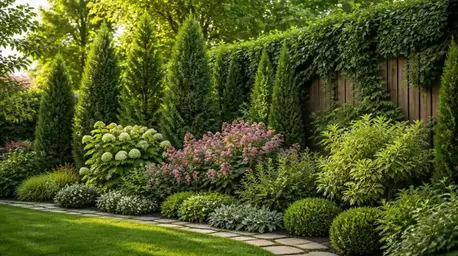
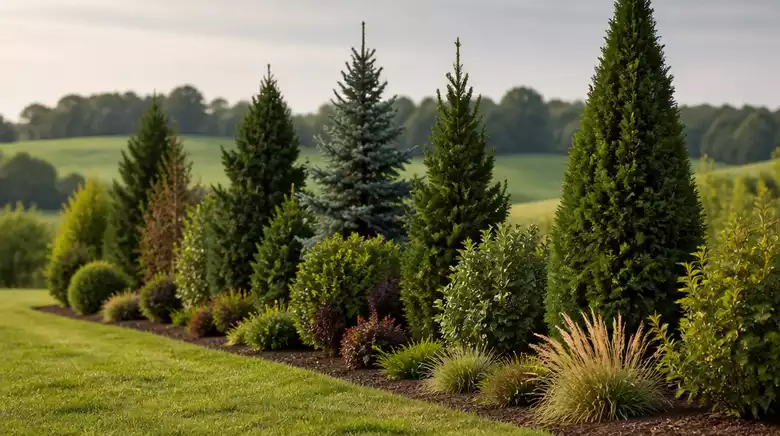
- Consider layering plants from tall to short for a more natural look
- Use evergreens for year-round privacy and protection
- Incorporate flowering shrubs for visual interest while maintaining functionality
The right height can enhance both the beauty and effectiveness of your windbreak. When designing, I often encourage clients to envision how their space will look throughout the seasons. This way, we can create a windbreak that not only protects but also complements the surrounding environment! Discover more tips on maintaining your windbreak effectively.
Key Factors in Successful Windbreak Design
To create a successful windbreak, several factors must be considered. Understanding the importance of species selection, plant spacing, and thoughtful design will help you establish an effective and visually appealing barrier.
Interactive Poll: Your Windbreak Design Preferences
As you consider your own windbreak design, we’d love to hear your thoughts! What do you believe is the most important factor when designing a windbreak?
Addressing Specific Needs in Windbreak Design
When it comes to designing windbreaks, understanding the specific needs of different environments is essential. At Branch & Border, we've recognized that windbreaks can serve vastly different purposes in urban and agricultural settings. By tailoring our approaches to these unique challenges, we can create effective solutions that enhance beauty and functionality.
For urban areas, windbreaks often need to balance aesthetics with practicality, while agricultural windbreaks focus more on protection and sustainability. This means selecting the right plants that can adapt to various urban conditions, such as limited space and soil variability. In contrast, agricultural windbreaks might prioritize fast-growing species that can provide quick, effective barriers against prevailing winds.
Urban vs. Agricultural Windbreaks: Tailored Approaches
Different spaces call for different strategies! Here are some key factors to consider when designing windbreaks for urban versus agricultural settings:
- Space Constraints: Urban areas often have limited space, requiring more compact tree and shrub selections.
- Plant Height: Urban designs may prefer shorter plants to avoid interference with overhead lines, while agricultural windbreaks can utilize taller trees for maximum wind protection.
- Maintenance: Urban landscapes might require low-maintenance plants to ensure ongoing appeal, whereas agricultural settings can support a broader variety of species that need more care.
- Functionality: Urban windbreaks can enhance privacy and aesthetics, while agricultural windbreaks are essential for protecting crops from wind and soil erosion.
Site-Specific Considerations: Soil Types, Topography, and Local Climate
Every site is different, and understanding these differences is crucial for effective windbreak design. The *soil types*, *topography*, and *local climate* all play pivotal roles in determining which trees and shrubs will thrive. Here’s how each factor can impact your windbreaks:
- Soil Types: Well-drained soils are ideal for deep-rooted species, while compact or poorly drained soils require plants that can tolerate less than perfect conditions.
- Topography: Consider slopes and elevations—plants on windward slopes need to be sturdy to withstand stronger winds.
- Climate Zones: Native species adapted to local climates are often more resilient, making them an excellent choice for sustainable designs.
At Branch & Border, we take the time to assess these factors before planting, ensuring our windbreaks are not only visually appealing but also highly functional. Consider exploring additional strategies for successful landscape design.
Environmental Impact: Soil Erosion and Climate Adaptation
Windbreaks do more than provide visual barriers; they play a crucial role in environmental sustainability. They help reduce soil erosion, protect crops, and contribute to climate adaptation strategies. Here are a few ways windbreaks can make a positive impact:
- Soil Conservation: By reducing wind speeds, they prevent soil from being carried away.
- Microclimate Creation: Windbreaks create a sheltered space that can support more biodiversity, promoting a healthy ecosystem.
- Climate Resilience: They can help mitigate the effects of climate change by protecting crops from harsh weather conditions.
By focusing on these environmental benefits, we at Branch & Border are committed to creating windbreaks that not only enhance landscapes but also support the health of our planet. For a comprehensive list of suitable choices, check out trees and shrubs for windbreaks.
Recap of Key Points
Here is a quick recap of the important points discussed in the article:
- Species Selection: Choose resilient plants suited to your local climate and conditions to avoid disease and ensure strong growth.
- Orientation: Align windbreaks perpendicular to prevailing winds for maximum effectiveness.
- Height Considerations: Balance protection and aesthetics by layering plants and incorporating evergreens and flowering shrubs.
- Site-Specific Factors: Assess soil types, topography, and local climate to determine the best plants for your windbreak.
- Urban vs. Agricultural Needs: Tailor your design approach based on whether the windbreak is for urban aesthetics or agricultural protection.
- Environmental Impact: Utilize windbreaks to reduce soil erosion, create microclimates, and enhance climate resilience.
Frequently Asked Questions About Windbreak Design
Q1: What is the most crucial factor in designing an effective windbreak?
A1: Species selection is paramount. Choosing resilient plants suited for local conditions, incorporating diversity to combat disease, and considering local pests are essential for a strong, healthy windbreak.
Q2: How does proper orientation affect a windbreak's effectiveness?
A2: Aligning your windbreak perpendicular to the prevailing winds is crucial. This ensures maximum protection by preventing wind from bypassing the barrier. Assessing primary wind direction and considering plant height and density are key to optimal orientation.
Q3: How do I balance height and aesthetics in windbreak design?
A3: Striking a balance is vital. Taller plants offer more protection, but can dominate the landscape. Consider layering plants from tall to short, using evergreens for year-round privacy, and incorporating flowering shrubs for visual interest while maintaining functionality.
Q4: What are the key differences between urban and agricultural windbreaks?
A4: Urban windbreaks often prioritize aesthetics, privacy, and adaptability to limited space and varied soil, requiring compact, low-maintenance plants. Agricultural windbreaks focus on protection from wind and soil erosion, often utilizing taller, fast-growing species for effective barriers.
Q5: What site-specific factors should I consider when designing a windbreak?
A5: Soil types, topography, and local climate are critical. Well-drained soils suit deep-rooted species, while compact soils need tolerant plants. Slopes require sturdy plants. Native species adapted to local climate zones are often most resilient and sustainable.
Q6: How do windbreaks contribute to environmental sustainability?
A6: Windbreaks significantly reduce soil erosion by lowering wind speeds, create sheltered microclimates that support biodiversity, and enhance climate resilience by protecting crops from harsh weather conditions. They play a crucial role in maintaining healthy ecosystems.