
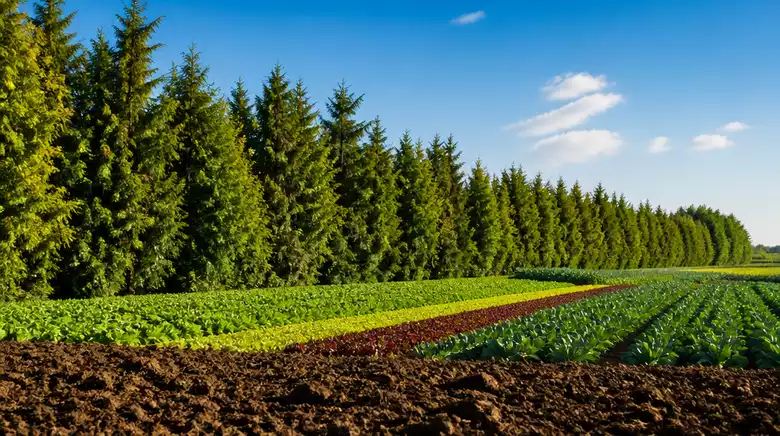
Windbreaks for Soil Erosion Control
As climate change continues to pose challenges to our environment, understanding sustainable land management practices is more crucial than ever. One effective strategy that has emerged is the use of windbreaks, which not only combat soil erosion but also enhance agricultural productivity and ecological balance.
What You Will Learn
- Definition of Windbreaks: Windbreaks are rows of trees or shrubs planted to reduce wind speed and protect soil, crops, and gardens.
- Soil Conservation Benefits: They play a vital role in preventing soil erosion, enhancing moisture retention, and maintaining healthy soil structure.
- Impact on Agriculture: Windbreaks can improve crop yields by shielding plants from harsh winds and creating favorable growing conditions.
- Biodiversity Support: They provide habitats for wildlife, promoting a balanced ecosystem and enhancing biodiversity.
- Climate Resilience: Windbreaks contribute to climate change mitigation by capturing carbon and enhancing soil health.
- Practical Implementation: Key steps for land managers include assessing land layout, choosing appropriate species, and planning for optimal spacing and density.
Benefits of Windbreaks for Soil Erosion Control
Windbreaks offer multiple benefits in controlling soil erosion and enhancing agricultural productivity. Here is a summary of their key functions:
Reduction of Wind Speed
Windbreaks act as barriers, slowing down wind before it reaches the soil, preventing erosion.
Soil Stabilization
The roots of trees and shrubs anchor the soil, reducing displacement and loss.
Microclimate Creation
They create sheltered areas that support healthy soil conditions, promoting plant growth.
Enhanced Crop Yield
By protecting crops from wind stress, windbreaks contribute to improved harvests.
Understanding Windbreaks as a Tool for Soil Erosion Control
As a landscape designer, I often come across the term windbreaks, and I’m excited to share how these natural barriers play a crucial role in controlling soil erosion. With a passion for creating sustainable landscapes at Branch & Border, I've seen firsthand how effective planning with trees and shrubs can protect our precious soil while enhancing the beauty of outdoor spaces. Let’s explore what windbreaks are and why they are important for soil conservation!
Defining Windbreaks and Their Purpose
What Are Windbreaks?
Windbreaks are rows of trees or shrubs planted strategically to reduce wind speed and protect the soil. They create a physical barrier that not only helps to shield crops and gardens from harsh winds but also helps in improving the microclimate of the area. This means that a well-placed windbreak can boost plant growth and health while providing visual appeal to your landscape.
At Branch & Border, we focus on using native species in our windbreak designs. This practice not only ensures that the plants thrive in their local environment but also supports wildlife by providing habitats and food sources. Isn't it wonderful how one thoughtful design choice can yield multiple benefits?
The Role of Windbreaks in Soil Conservation
Windbreaks serve a vital role in soil conservation by reducing the force of the wind. When wind speed is decreased, the soil remains intact, preventing erosion that often occurs during storms or strong gusts. This is especially important in agricultural areas, where healthy soil is the foundation for successful crops.
Additionally, windbreaks can enhance soil moisture retention. By blocking wind, they help to reduce evaporation, which is crucial during hot summers. This dual benefit of erosion control and moisture retention makes windbreaks a key element in sustainable land management!
Mechanisms of Wind Erosion and How Windbreaks Mitigate It
How Windbreaks Reduce Wind Speed and Soil Loss
Understanding the mechanics of wind erosion is essential to appreciate how windbreaks function. Wind can lift and carry fine soil particles, leading to significant soil loss over time. However, when a windbreak is in place, it disrupts the airflow, slowing it down and preventing soil from being blown away.
There are a few key ways windbreaks help mitigate soil erosion:
- Reduced Wind Speed: By acting as a barrier, windbreaks slow down the wind before it reaches the soil.
- Soil Stabilization: The roots of trees and shrubs help anchor the soil, further preventing erosion.
- Microclimate Creation: Windbreaks can create sheltered areas that promote healthy soil conditions.
Effects of Reduced Wind on Agricultural and Forested Areas
The effects of reduced wind are not just limited to preventing soil loss. In agricultural settings, windbreaks can improve crop yields by creating a more favorable growing environment. They shield plants from damaging winds and reduce the risk of crop failure, which can be a significant concern for farmers.
In forested areas, windbreaks can enhance biodiversity by providing habitats for various species. This balance of ecosystems is crucial for maintaining healthy forests and promoting overall environmental stability. Isn’t it amazing how integrating natural elements into design can create such a profound impact?
Quick Summary
Here's a brief recap of the key points discussed so far:
- Definition of Windbreaks: Rows of trees or shrubs that reduce wind speed and protect soil.
- Benefits for Soil Conservation: Windbreaks minimize erosion and enhance soil moisture retention.
- Impact on Agriculture: They improve crop yields and promote biodiversity in ecosystems.
Summarizing the Benefits of Windbreaks for Soil Erosion Control
Windbreaks are a remarkable tool for combating soil erosion, and understanding their benefits can empower landowners to make informed decisions. At Branch & Border, we believe that implementing these natural barriers can lead to healthier soils and improved crop yields. Let’s recap the key aspects of how windbreaks function in soil conservation, showcasing their importance in sustainable land management.
One major benefit of windbreaks is their ability to reduce wind speed, which in turn minimizes soil displacement and loss. They serve as a shield, protecting the soil from harsh winds and preventing erosion. This protective role is especially crucial for agricultural and forested areas, where soil health directly impacts productivity and ecological balance.
Key Takeaways on the Importance of Windbreaks
As you consider the potential of windbreaks in your own landscape, here are some essential takeaways to keep in mind:
- Enhancement of Soil Health: Windbreaks contribute to maintaining soil structure and moisture levels.
- Increased Biodiversity: They provide habitat for various wildlife, promoting a balanced ecosystem.
- Improved Crop Yield: By protecting crops from wind stress, windbreaks contribute to better harvests.
- Climate Resilience: They play a role in mitigating climate change effects by capturing carbon.
These benefits highlight the crucial role that windbreaks play in protecting our land and fostering sustainable agricultural practices. By implementing windbreaks, you take a proactive step towards enhancing your landscape's resilience and productivity.
Recap of How Windbreaks Function in Soil Conservation
To sum it up, windbreaks function as natural barriers that not only shield the soil from wind but also support the overall health of the ecosystem. They help stabilize the soil, ensuring that it retains moisture and nutrients essential for plant growth. Investing in windbreaks is an investment in the health of your land and the sustainability of your farming practices.
At Branch & Border, we are committed to providing you with the knowledge and resources you need to integrate windbreaks into your landscape design. Whether it's for aesthetic appeal or soil conservation, windbreaks truly enhance outdoor spaces while promoting environmental health!
Encouraging Sustainable Practices with Windbreaks
Call to Action for Land Managers and Farmers
As a land manager or farmer, it's essential to embrace integrated strategies for erosion control. Windbreaks are a vital piece of this puzzle, offering numerous benefits that can lead to sustainable farming practices. By considering their implementation, you can make a positive impact on your land’s productivity and health.
Start thinking about how you can incorporate windbreaks into your landscape. Here are some practical steps to consider:
- Assess your land's layout and wind direction.
- Choose appropriate tree and shrub species that thrive in your climate.
- Plan the spacing and density of your windbreak for optimal effectiveness.
- Monitor their growth and performance over time for adjustments.
Taking these steps can lead to enhanced soil conservation and a flourishing outdoor environment. Together, we can foster practices that not only protect our landscapes but also contribute to a sustainable future. For more ideas on how to create natural barriers, check out our guide on living fences for wind protection.
FAQs About Windbreaks and Soil Erosion Control
- What are windbreaks?
Windbreaks are rows of trees or shrubs strategically planted to reduce wind speed and protect soil, crops, and gardens from harsh winds. - How do windbreaks help with soil erosion?
Windbreaks reduce wind speed, preventing soil particles from being lifted and carried away. Their roots also help anchor the soil, stabilizing it and preventing displacement. - What are the agricultural benefits of using windbreaks?
In agriculture, windbreaks improve crop yields by shielding plants from wind stress, reducing crop failure, and creating a more favorable microclimate for growth by enhancing soil moisture retention. - Do windbreaks support biodiversity?
Yes, windbreaks provide essential habitats and food sources for various wildlife species, contributing to a balanced and healthy ecosystem. - What should I consider when planning a windbreak?
Key considerations include assessing your land's layout and prevailing wind direction, choosing native tree and shrub species suitable for your climate, and planning for optimal spacing and density to ensure maximum effectiveness.
Resources for Further Learning and Implementation
To further support your journey in implementing windbreaks, I encourage you to explore various resources available:
- Government Resources: Check out local agricultural extension offices for guidance on best practices.
- Online Guides: Websites dedicated to sustainable agriculture often provide detailed information on windbreak design.
- Community Engagement: Join local gardening clubs or conservation groups to learn from others’ experiences.
At Branch & Border, we believe that education and community engagement can empower landowners to make impactful changes. Together, let’s harness the benefits of windbreaks for soil erosion control and create thriving, sustainable outdoor spaces! You might also be interested in learning about windbreak width essentials for effective planning.
Recap of Key Points
Here is a quick recap of the important points discussed in the article:
- Definition of Windbreaks: Windbreaks are rows of trees or shrubs that reduce wind speed, protecting soil and enhancing plant growth.
- Soil Conservation Benefits: They prevent soil erosion and improve moisture retention, crucial for agricultural success.
- Mechanisms of Erosion Control: Windbreaks stabilize soil through reduced wind speed, anchoring roots, and creating favorable microclimates.
- Impact on Agriculture: Windbreaks can enhance crop yields and biodiversity by protecting crops from wind stress and providing wildlife habitats.
- Practical Implementation Steps: Assess land layout, choose suitable species, plan windbreak density, and monitor growth for effectiveness.