
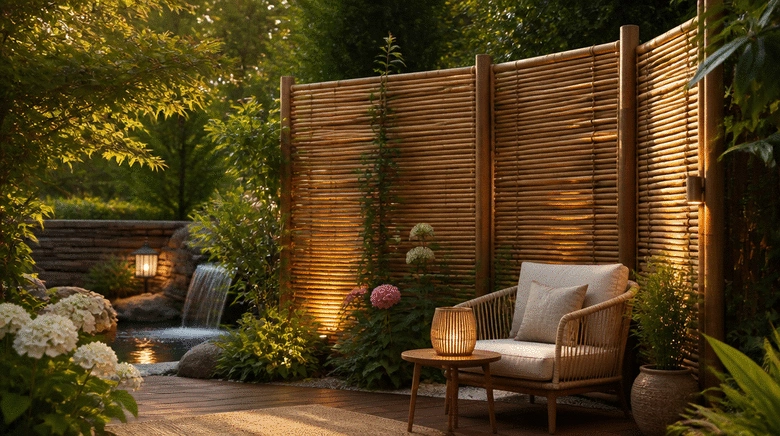
Privacy Enhancement
Windbreaks provide a natural barrier from neighbors, allowing you to enjoy your outdoor space in peace.
Have you ever considered how a simple row of trees could completely change your outdoor experience? Windbreaks not only provide beauty but also a myriad of practical benefits. Let’s explore how these natural barriers can create your own peaceful retreat.
Windbreaks enhance outdoor spaces by providing privacy, noise reduction, and aesthetic appeal. Below are key benefits illustrated in a visual format.
Windbreaks provide a natural barrier from neighbors, allowing you to enjoy your outdoor space in peace.
Dense plantings help absorb sound, making your yard a quieter retreat from daily life.
Well-designed windbreaks enhance landscape beauty, showcasing seasonal changes and blooming flowers.
Windbreaks can shield your home from harsh winds, potentially lowering heating costs in winter.
At Branch & Border, I’m passionate about enhancing outdoor living through thoughtful landscape design. One effective way to do this is by incorporating windbreaks into your space. These natural barriers, crafted from trees and shrubs, serve a dual purpose of providing privacy while also minimizing unwanted noise. Let's dive deeper into how windbreaks can transform your outdoor area into a peaceful sanctuary!
So, what exactly are windbreaks? Simply put, they are structures, typically formed by a row of trees or shrubs, that act as a barrier against winds. Their primary purpose is to protect your outdoor space from harsh winds, but they do more than just that! By strategically placing these plants, you can create a more comfortable and inviting environment.
Windbreaks are not just functional; they can also enhance the beauty of your landscape. By incorporating a variety of trees and shrubs, you can design a visually appealing screen that complements your home. The key is to choose plants that not only serve the purpose of blocking wind but also fit well within your overall design aesthetic.
Windbreaks offer a range of benefits beyond just wind protection. Here are some of the most significant roles they play in landscaping:
When I design windbreaks for my clients, I consider not only the practical aspects but also how these elements contribute to the overall ambiance of the space. It's about creating a harmonious environment that feels like an extension of your home! For more ideas, explore designing windbreaks for gardens.
Privacy screens are an essential part of outdoor living, especially if you want to create a cozy nook for relaxation or gatherings. Windbreaks serve as excellent privacy screens, thanks to their thick foliage. By selecting the right plants, you can ensure that your outdoor area feels secluded and intimate.
Here are some popular options for privacy screens that I often recommend:
When designing these screens, I always encourage clients to think about layering and plant diversity. This not only improves visual appeal but also enhances the effectiveness of your privacy solution. By mixing different species, you can create a vibrant tapestry of greenery that thrives together!
Here's a brief recap of the key points discussed so far:
Windbreaks offer a multitude of benefits that enhance outdoor living spaces. They not only provide privacy but also help in reducing noise and creating a serene atmosphere. By strategically incorporating trees and shrubs, you can transform your backyard into a peaceful sanctuary, where you can unwind and enjoy the beauty of nature.
Moreover, windbreaks play a crucial role in protecting your property from harsh weather conditions, improving energy efficiency, and even adding aesthetic value. They can serve as beautiful borders that define your space while offering practical solutions for everyday living. Imagine how much more enjoyable time spent outside becomes when you're shielded from unwanted noise and prying eyes! You can also learn more about how windbreaks save on heating costs.
At Branch & Border, we love hearing from our clients about their experiences with windbreaks! These stories not only inspire us but also help others visualize how they can implement similar solutions in their own yards. Have you created your own living fence or noise barrier? We invite you to share your successes and challenges with us!
Here are a few ideas on how to get started:
To help you create the perfect windbreak for your outdoor space, consider using a wildly useful windbreak planner. This tool will guide you through the process of selecting the right plants and materials while customizing your noise reduction strategies. Not only does it make planning easier, but it also ensures that you achieve the best results tailored to your specific needs.
Additionally, quizzes and interactive resources can help you assess factors like your space's climate, size, and design goals. You’ll find that having a clear plan makes the entire installation process feel much more manageable and enjoyable!
Before diving into your windbreak project, it's essential to check local regulations regarding landscaping and noise barriers. Many areas have guidelines on plant heights, types of materials, and installation methods. Keeping abreast of these rules ensures that your hard work pays off and remains compliant.
Here are some key considerations for maintaining your windbreak:
Urban planning plays a vital role in integrating windbreaks into our communities. Landscape architects and city planners recognize the importance of these natural barriers for enhancing public spaces. Windbreaks contribute to noise reduction while improving air quality and providing habitat for wildlife.
As community members, we can advocate for more sustainable outdoor spaces that include:
By championing these efforts, we can create neighborhoods that are not only quieter but also more beautiful and inviting. Together, let’s embrace the transformative power of nature and consider landscaping for noise reduction in our communities to foster a more peaceful environment.
Here is a quick recap of the important points discussed in the article:
Celia Thorne is a passionate landscape designer with over a decade of experience in creating functional and aesthetically pleasing outdoor spaces. With a keen eye for detail and a deep understanding of horticulture, Celia specializes in the strategic use of trees and shrubs to enhance properties, providing clients with practical solutions for privacy, wind protection, and visual appeal. At Branch & Border, we believe in the power of nature to transform outdoor environments into harmonious spaces that offer privacy, protection, and aesthetic appeal.
At Branch & Border, we artfully blend the science of horticulture with innovative design to create living fences, privacy screens, and windbreaks. Our passion is transforming outdoor spaces into harmonious havens that offer both beauty and functionality.
Crafting Nature's Boundaries