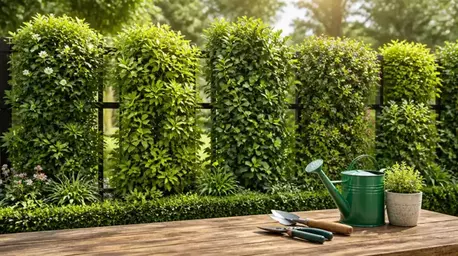
Client A Wind Speed Reduction
Installed evergreen trees and decorative fencing.
Achieved a 60% reduction in wind speed.
Wind can transform a pleasant backyard gathering into a less enjoyable experience in mere moments. By understanding the power of windbreaks, you can reclaim your outdoor space from the whims of the weather. At Branch & Border, we're dedicated to helping you create serene, functional oases in urban environments.
Windbreaks significantly improve outdoor comfort by reducing wind speed and enhancing privacy. Below are key metrics illustrating their effectiveness. For a deeper dive into how different plants contribute to these barriers, you might find our guide on trees for effective windbreaks particularly helpful.
Installed evergreen trees and decorative fencing.
Achieved a 60% reduction in wind speed.
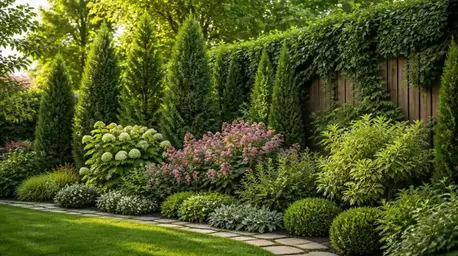
Used tall ornamental grasses and wooden trellis.
Enhanced privacy and comfort, reducing wind exposure.
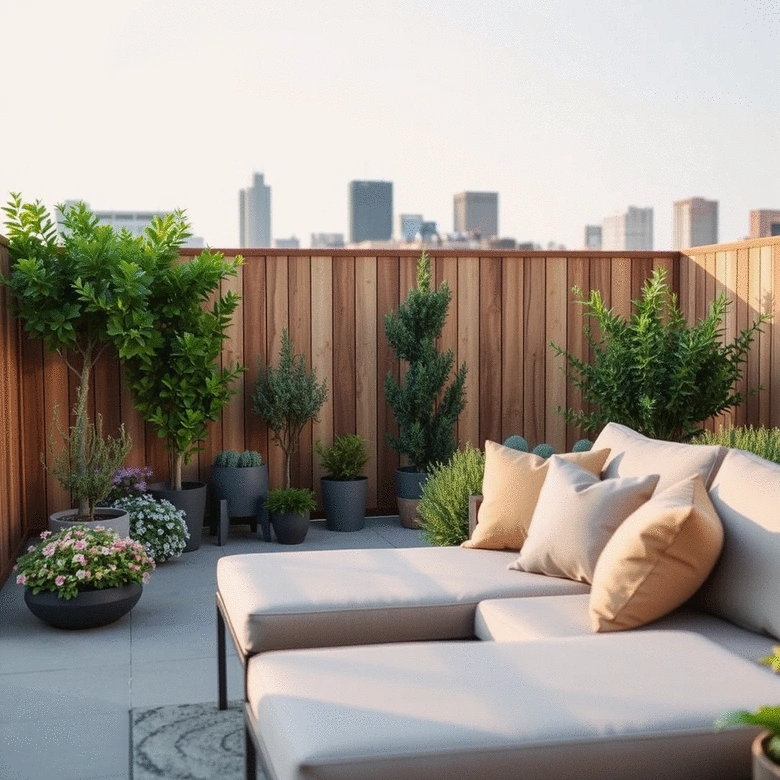
Combined gabion baskets with natural shrubs.
Created an effective wind barrier and focal point.
In urban environments, wind can be a significant challenge. Whether you’re enjoying a peaceful afternoon or hosting a gathering, gusty winds can disrupt your plans and diminish comfort. At Branch & Border, we understand the importance of creating outdoor spaces that are not only beautiful but also functional. Windbreaks provide an effective solution, transforming your backyard into a serene oasis by reducing wind speed and creating a cozy atmosphere.
When we talk about urban spaces, it’s essential to recognize the various challenges they present. Limited space, nearby buildings, and hard surfaces amplify wind effects, making it vital to find ways to mitigate these issues. If you’ve ever struggled with blowing debris or felt like your outdoor space was an extension of the street, you may benefit from thoughtful windbreak design.
In many cities, wind patterns can be unpredictable and harsh. Understanding the specific challenges you face can help in planning effective windbreaks. Some common challenges include:
By identifying these factors, you’ll be better equipped to create a sanctuary in your backyard. Additionally, observing how winds interact with your space helps inform your plant selections and materials, enabling you to craft a solution tailored to your unique environment. For more insights on how to achieve tranquility, explore our article on landscaping for noise reduction.
Windbreaks do more than just shield against harsh winds; they enhance the overall experience of your outdoor environment! When thoughtfully designed, they can:
Incorporating windbreaks into your landscape design not only elevates the aesthetic appeal but also promotes a more enjoyable atmosphere. Imagine sipping your morning coffee on a still day, free from the disruptive effects of wind! This is the kind of experience that Branch & Border aims to create through innovative landscape solutions.
Here's a brief recap of the key points discussed so far:
When it comes to creating effective windbreaks in your urban backyard, understanding their performance is key! This involves evaluating both the metrics of wind reduction and the overall aesthetics. Let’s explore how you can measure the effectiveness of your windbreak designs and ensure they not only function well but also look great in your landscape.
To assess the wind reduction capabilities of your design, consider using the following methods:
With these tools in hand, you can gauge just how effective your windbreak is in creating a calm and inviting outdoor space. Remember, a well-designed windbreak not only protects you but also enhances the beauty of your yard, making it a true retreat! Consider designing windbreaks for gardens to integrate functionality with aesthetic appeal.
Case studies are a fantastic way to see the impact of windbreaks in real-world settings. At Branch & Border, we've had the pleasure of working with various clients who have transformed their urban backyards into serene havens! Here are a few examples of successful windbreak implementations:
These examples illustrate how thoughtful design can lead to significant improvements in comfort and usability. It's inspiring to see how a well-planned windbreak can change the dynamics of an outdoor space, making it more enjoyable for everyone!
As we consider our windbreak designs, let’s also think about sustainability. Integrating eco-friendly materials into your landscape not only benefits the environment but can also enhance the effectiveness of your windbreaks. Here are some materials that can make a difference:
By choosing sustainable options, you’re not only creating beautiful windbreaks but also promoting a healthier ecosystem. It’s a win-win situation that aligns beautifully with our mission at Branch & Border!
Permeable pavers and decorative stones can serve as both functional and aesthetic elements in your landscape. They help with water drainage and contribute to the overall beauty of your yard. Imagine walking on a path adorned with natural stones while being shielded from the wind by vibrant plantings around you!
Incorporating these materials is an excellent way to ensure that your windbreak not only protects you from harsh weather but also enhances the visual appeal of your space. It’s a great opportunity to create a harmonious balance between form and function.
Sustainable landscaping is all about working with nature to create a beautiful and functional outdoor environment. Some practices you might consider include:
These techniques not only support your windbreak efforts but also contribute to a healthier environment. They can be an exciting part of your landscape design journey!
As we wrap up this discussion on windbreaks, it’s time to think about the next steps in bringing your ideas to life. Whether you're just starting or looking to enhance an existing design, remember that a well-planned windbreak can dramatically improve your outdoor experience. For more detailed guidance on specific plant choices, consider reading about trees for small yard privacy.
Here’s how you can kick off your windbreak project:
Taking these steps will set you on the right path to creating a windbreak that fulfills both aesthetic and functional purposes.
I encourage you to share your windbreak stories and design experiences with us! Whether you’ve implemented your own windbreak or are just getting started, your insights can inspire others in our community. Let’s create a space where we can learn from one another and celebrate our successes in enhancing our urban backyards. You might also find valuable ideas on living fence ideas for small gardens to complement your windbreak.
At Branch & Border, I’m passionate about the role of trees and shrubs in landscape design. I can’t wait to hear about your journeys in creating beautiful, functional outdoor spaces!
Here is a quick recap of the important points discussed in the article:
Celia Thorne is a passionate landscape designer with over a decade of experience in creating functional and aesthetically pleasing outdoor spaces. With a keen eye for detail and a deep understanding of horticulture, Celia specializes in the strategic use of trees and shrubs to enhance properties, providing clients with practical solutions for privacy, wind protection, and visual appeal. At Branch & Border, we believe in the power of nature to transform outdoor environments into harmonious spaces that offer privacy, protection, and aesthetic appeal.
At Branch & Border, we artfully blend the science of horticulture with innovative design to create living fences, privacy screens, and windbreaks. Our passion is transforming outdoor spaces into harmonious havens that offer both beauty and functionality.
Crafting Nature's Boundaries